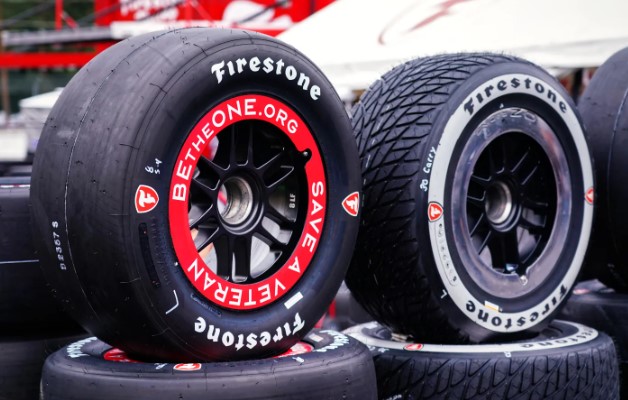
Drivers want tires that deliver reliable grip, smooth performance, and long-lasting durability. Firestone stands out as one of the most recognized names in the tire industry, backed by decades of innovation and real-world testing.
From daily commutes to rugged off-road trails, these tires aim to cover every terrain with confidence. Firestone’s reputation didn’t grow overnight.
The brand built its name through a mix of racing heritage, consistent performance, and solid warranty support. Whether it’s all-season reliability or aggressive traction in challenging conditions, Firestone tires offer a wide range of options tailored to diverse driving needs.
Many drivers swear by their dependable ride quality and solid tread life, while others remain curious about how they stack up against premium competitors.
This article breaks down the features, pros, and real-world performance of Firestone tires to help car owners decide if they truly live up to the hype. Let’s dig into the details.
Firestone Tires – Worth the Money or Not?
Many drivers ask one simple question before buying new tires: Are Firestone tires good? This name has been around for over a century. People see it in stores, hear it in ads, and spot it on roads. So the question makes sense.
Tires are more than just rubber. They keep cars safe, smooth, and steady on the road. That’s why choosing the right brand matters. Some promise high performance.
Others focus on long life. Firestone claims to offer both. But does it really? This guide breaks everything down in plain words. Let’s see how Firestone performs in real life.
A Quick History of Firestone
Firestone started in 1900. It was one of the first companies to make tires for cars. It worked with Ford and helped put America on wheels.
In 1988, Bridgestone, a Japanese tire company, bought Firestone. Since then, Firestone has grown stronger.
Now the company offers a wide range of tires highway, all-terrain, performance, and more.
Are Firestone Tires Reliable?

Yes. Firestone tires are known for durability. They do not wear out quickly. Even on rough roads, they last longer than many budget brands.
They also handle well in different conditions. Wet roads? No problem. Hot pavement? Still strong. Cold mornings? Grip stays firm.
Firestone uses tested materials. Rubber, tread design, and construction each part gets special attention. That makes the tires strong and safe.
Pros of Firestone Tires
1. Good Tread Life
Most Firestone tires run for 40,000 to 70,000 miles. That’s several years for the average driver. Some models even come with long mileage warranties.
2. Strong All-Season Performance
Rain, sun, or light snow—Firestone tires stay balanced. They don’t slide easily and offer stable steering.
3. Budget-Friendly Options
Prices are fair. Firestone gives decent quality without a huge price tag. It’s a good choice for people who want value.
4. Wide Range of Models
The company offers tires for cars, trucks, SUVs, and even performance vehicles. All-season, all-terrain, and even track-ready tires are available.
Cons of Firestone Tires
1. Not Best in Snow
Most Firestone all-season tires are not great for deep snow or icy roads. You’ll need winter tires in colder climates.
2. Average Noise Control
Some users say Firestone tires make more road noise than other brands. On highways, the hum can get louder.
3. Performance May Vary by Model
Some cheaper models don’t offer the same grip and ride quality. Always check reviews for each tire model.
Popular Firestone Tire Models
Firestone Destination LE3
A solid choice for SUVs and light trucks. Known for long tread life and quiet rides. Works well in dry and wet weather.
Firestone Firehawk Indy 500
Designed for sporty cars. Offers great cornering and dry grip. Not ideal for snowy conditions.
Firestone WeatherGrip
An all-weather tire that can handle rain, light snow, and cold. Good for drivers who want peace of mind all year.
Firestone Transforce HT
Made for heavy-duty trucks and vans. Strong load support and long life. Perfect for work vehicles.
Who Should Buy Firestone Tires?
Firestone tires fit drivers who want:
-
Long-lasting tires
-
Fair prices
-
Reliable performance
-
A mix of comfort and strength
They’re a smart pick for families, daily commuters, and small business owners. They may not win races, but they do their job well on normal roads.
FAQs About Firestone Tires
Do Firestone tires last long?
Yes. Most Firestone tires offer long tread life, often above 50,000 miles.
Are Firestone tires safe?
They meet safety standards and are tested under many road conditions.
Are Firestone tires good in rain?
Yes. Most models handle wet roads well, especially the all-season and all-weather types.
Are Firestone tires noisy?
Some models are a bit noisy on highways. Always check tire reviews before buying.
Who makes Firestone tires now?
Bridgestone owns Firestone. It is one of the largest tire companies in the world.
Final Verdict
Yes, Firestone tires are good. They may not be the top brand in every category, but they offer great value. Most drivers can count on them for daily use.
Long life, fair price, and solid performance these are what make Firestone a trusted name. Pick the right model for your car and road needs. Drive safe, and your Firestone tires will serve you well