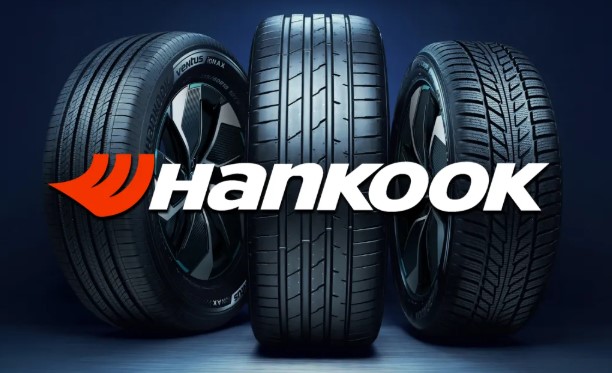
Hankook has carved out a strong presence in the global tire market, sitting alongside more established giants in both performance and affordability. This South Korean brand continues to gain traction among drivers who demand quality without breaking the bank.
With a wide selection of all-season, performance, and touring tires, Hankook appeals to daily commuters, off-road enthusiasts, and even motorsport fans.
Drivers expect tires to deliver grip, safety, comfort, and longevity and Hankook promises all four. Brands can make bold claims, but actual road performance tells the real story. From quiet highway rides to challenging weather conditions, Hankook tires aim to match expectations across the board.
Every tire choice impacts driving experience, fuel efficiency, and long-term costs. Before making that next tire purchase, it helps to understand how Hankook stacks up in real-world conditions.
Let’s break down what makes Hankook tires worth considering or skipping based on performance, durability, and value.
Are Hankook Tires Good? A Simple Guide Before You Buy
Tires are one of the most important parts of your car. They touch the road. They affect safety, comfort, and fuel use. Hankook is a name that many people know.
But is it worth trusting? Some say yes. Others are not sure. So what’s the real story? This guide will help you understand Hankook tires better.
You’ll learn where they come from, how they perform, and if they are worth the price. Let’s break it all down in simple words.
What Is Hankook?
Hankook is a tire brand from South Korea. The company started in 1941 and has grown a lot over the years. It now sells tires in more than 180 countries. You’ll find Hankook tires on cars, SUVs, trucks, and even in racing.
Big car brands like Hyundai, Kia, Ford, and Volkswagen use Hankook tires as original equipment. That means the tires come with the car when it is brand new. That’s a sign of trust.
How Do Hankook Tires Perform?
Everyday Driving
Hankook makes tires that work well for normal driving. Most people find them smooth and quiet. They handle well on both dry and wet roads. Braking is firm. Steering feels natural.
Many models, like the Hankook Kinergy or Ventus, are made for comfort. They give a soft ride. That’s good for city driving or long trips.
Rain and Wet Roads
Good grip in wet weather matters a lot. Hankook tires do a decent job here. Most of their tires have deep tread patterns. These push water away and help avoid slipping.
Some higher-end models come with special rubber mixes. These help improve grip when roads are wet or slick.
Snow and Winter
Hankook offers winter tires like Winter i*cept series. These are made for snow and cold. They have special tread designs for better control. For places with harsh winters, these tires offer good value.
Off-Road and SUV Use
For SUVs and light trucks, Hankook makes options like Dynapro. These work well for mild off-road use. Rocky paths. Mud. Gravel. Dynapro tires give a stable ride. But they are not for extreme off-roading.
How Long Do Hankook Tires Last?
Tire life depends on how you drive and maintain them. Most Hankook tires last between 40,000 to 60,000 miles. That’s the average range for mid-level tires.
Some models have longer warranties. For example, the Kinergy PT comes with a 90,000-mile treadwear warranty. That shows confidence in their product.
Rotate your tires. Keep proper air pressure. That helps them last longer.
Price and Value
Hankook tires are not the cheapest, but they are not very expensive either. They offer a middle-ground choice.
Not cheap like budget brands. Not pricey like premium ones. You get a fair balance. Good performance. Decent comfort. Reliable quality.
For people who want value without spending too much, Hankook is a smart pick.
Are Hankook Tires Safe?

Yes. Hankook tires pass many safety tests. They meet global standards. Many car makers trust them for their new cars.
The company invests in research and testing. It runs test centers in Korea, the U.S., and Germany. Engineers test tires for heat, speed, load, and wet handling.
Safety also depends on using the right tire for your vehicle. Make sure to check size and speed rating before buying.
Pros and Cons
Pros:
-
Affordable for most people
-
Good ride comfort
-
Handles well on dry and wet roads
-
Trusted by major car brands
-
Wide range of tire types
Cons:
-
Not as quiet as top premium brands
-
Some models wear faster than expected
-
Winter performance depends on model
Popular Hankook Tire Models
Hankook Kinergy ST
Great for daily use. Quiet. Smooth. Good tread life.
Hankook Ventus V2
Sporty driving feel. Handles curves better. Ideal for small sedans.
Hankook Dynapro ATM
Strong SUV tire. Good for light off-roading. Balanced on and off road.
Hankook Winter i*cept
Built for snow. Better grip in freezing conditions.
FAQs
Are Hankook tires good for long trips?
Yes. Many models offer comfort and low noise, which are great for highway use.
Do Hankook tires make a lot of noise?
Some older models might be louder, but most newer ones are quiet enough for everyday driving.
Is Hankook a premium brand?
No. It’s considered a mid-range brand. But it offers good quality for the price.
Can I trust Hankook for my family car?
Yes. Many families use Hankook tires. They are safe and reliable for daily use.
Where are Hankook tires made?
They have factories in South Korea, the U.S., China, Hungary, and Indonesia.
Final Thoughts
Hankook tires are a smart option for people who want dependable tires at a fair price. They may not match the top-tier brands in every way, but they offer real value.
Whether you drive in the city, take weekend trips, or handle some snow in winter Hankook has a tire that fits. Not perfect. But worth it for most drivers.