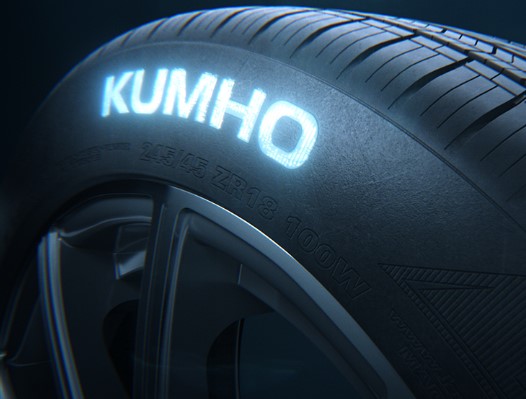
Kumho Tires has gained attention among budget-conscious drivers who still expect quality and reliability on the road. This South Korean brand blends advanced tire technology with competitive pricing, making it a popular option for everything from sedans to SUVs.
Many drivers ask the same question before buying do Kumho tires actually deliver on performance, durability, and safety? Reviews from real users and automotive experts tell a story that’s both surprising and informative.
Some Kumho models rival more expensive brands in wet traction, tread life, and ride comfort. Others offer solid everyday performance without stretching your wallet. The brand’s presence in motorsports and consistent innovation hint at a company serious about staying competitive.
Before replacing your tires, it makes sense to explore how Kumho stacks up against top players in the tire world. This guide breaks down what you need to know so you can make a confident, informed decision for your vehicle.
Are Kumho Tires Good?
Drivers often ask one common question before buying new tires: Are Kumho tires good? It’s a fair question. Tires affect safety, comfort, and fuel use. With so many tire brands out there, picking the right one can feel confusing.
Kumho is a well-known brand from South Korea. It has been around for over 60 years. The company makes tires for many types of vehicles cars, SUVs, and trucks.
Kumho offers both budget-friendly and performance-focused options. But how well do these tires hold up in real-world use?
This article breaks down what makes Kumho tires stand out. It also covers their strengths, weaknesses, and best use cases. If you want a simple and honest guide, keep reading.
History of Kumho Tires
Kumho Tire was founded in 1960 in South Korea. Over the years, it became one of the top tire manufacturers in the world.
The brand supplies tires to many global car makers. It also takes part in motorsports, which helps improve its technology.
Today, Kumho exports to over 180 countries. This global presence shows it is not a small, unknown brand. Many drivers use Kumho tires every day without any issues.
What Makes Kumho Tires Stand Out?

Price and Value
Kumho tires are known for offering good quality at a lower price. They are often more affordable than premium brands like Michelin or Bridgestone. That doesn’t mean they are cheap in quality. They just cost less.
For budget-conscious drivers, this makes Kumho a smart option. You get decent performance without breaking the bank.
Performance on the Road
Kumho tires perform well in both dry and wet conditions. Some models are also made for snow and ice. They offer solid grip and stable handling. While they may not match top-tier brands in all tests, they deliver enough performance for daily use.
Cornering and braking are smooth. Steering feels easy and comfortable. For regular city and highway driving, they do the job.
Comfort and Noise
Kumho designs its tires to reduce road noise. Most users report a quiet ride. The rubber compound and tread design help with this.
Ride comfort is also good. Bumps and rough roads feel less harsh. Not all models are equally quiet, but most perform well in this area.
Tire Life and Durability
Kumho tires come with decent tread life. Many models offer warranties of 40,000 to 80,000 miles. That means they are made to last for a good number of years.
The materials used are strong and resist wear and tear. Proper care, like rotating tires and keeping the right air pressure, helps them last longer.
Popular Kumho Tire Models
Kumho Solus TA71
Best for all-season driving. It handles dry and wet roads with ease. Offers a smooth and quiet ride.
Kumho Ecsta PS31
Great for performance cars. Works well in summer. Offers strong grip and sharp cornering.
Kumho Crugen HP71
Perfect for SUVs and crossovers. Gives a mix of comfort, safety, and long wear.
Kumho Road Venture AT51
Good for off-road use. Works in mud, gravel, and light snow. Tough and dependable.
Pros and Cons of Kumho Tires
Pros
-
Affordable pricing
-
Reliable everyday performance
-
Good wet and dry traction
-
Quiet and smooth ride
-
Wide range of models
Cons
-
Not top-level in extreme performance
-
Some models wear faster than premium brands
-
Limited availability in some regions
Who Should Buy Kumho Tires?
Kumho tires are a great fit for drivers who:
-
Drive daily in normal city or highway conditions
-
Want a balance between quality and price
-
Don’t need ultra-high-performance tires
-
Value comfort and low road noise
These tires may not suit those who race cars or drive in extreme conditions. But for most people, they work just fine.
FAQs
Are Kumho tires safe?
Yes, Kumho tires meet safety standards. They are tested for grip, handling, and durability.
How long do Kumho tires last?
Most models last between 40,000 and 80,000 miles. Tire life depends on driving habits and care.
Are Kumho tires noisy?
Most Kumho tires are quiet. Some models are specially designed for low road noise.
Do Kumho tires work in snow?
Some models, like the Road Venture AT51 or WinterCraft series, work well in snow. Always check the label.
Are Kumho tires made in China?
Kumho has factories in South Korea, China, Vietnam, and the U.S. Tire quality stays consistent across all plants.
Conclusion
Kumho tires offer a strong mix of price and performance. They may not be the most premium option, but they do their job well. For drivers who want safe, comfortable, and reliable tires without paying too much, Kumho is a solid choice.
Each model serves a different purpose. Whether it’s daily driving, off-road trips, or sporty handling Kumho has something for everyone. Their long history and global reach add more trust to the name.
Overall, Kumho tires are good. Not perfect, but good enough for most drivers.