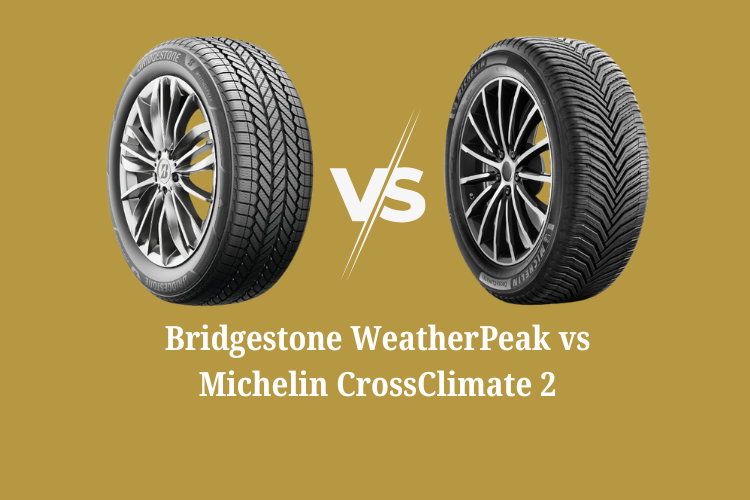
Drivers demand tires that handle unpredictable weather with confidence, and two names often lead the discussion Bridgestone WeatherPeak and Michelin CrossClimate 2. Both are engineered to deliver reliable performance across changing conditions, yet their strengths appeal to different driving styles and priorities.
Bridgestone’s WeatherPeak emphasizes consistent wet grip, long tread life, and a balance of everyday comfort, making it a trusted option for commuters and family vehicles.
Michelin’s CrossClimate 2 stands out for its versatility, offering exceptional traction on dry pavement, impressive control in rain, and certified winter performance that rivals many dedicated snow tires.
The competition between these two highlights the growing importance of all-season innovation, where drivers no longer need to sacrifice safety in one season to gain benefits in another.
Comparing tread design, durability, handling, and real-world performance reveals which tire better suits drivers searching for year-round confidence without compromise.
Bridgestone WeatherPeak vs Michelin CrossClimate 2
Selecting a tire that works well year-round can be tricky. Drivers want safety, comfort, durability, and reliable grip in all conditions. Two top contenders in the all-weather segment are Bridgestone WeatherPeak and Michelin CrossClimate 2.
Both promise performance across seasons, yet they differ in design, handling, and comfort. This article explores their specifications, strengths, weaknesses, and suitability.
Bridgestone WEATHERPEAK

Product Details
-
Brand: Bridgestone
-
Size: 195/65R15
-
Section Width: 195 mm
-
Load Capacity: 1356 lbs
-
Tread Depth: 10/32 inches
-
Tread Type: Symmetrical
-
Maximum Pressure: 44 PSI
-
Rim Size: 15 inches
-
Rim Width: 6 inches
-
Tire Diameter: 25 inches
-
Load Index: 91
-
Speed Rating: H
Features
-
Symmetrical tread design ensures even wear and stable rotation.
-
3PMSF (Three-Peak Mountain Snowflake) certified for snow performance.
-
Engineered for long-lasting tread life in everyday driving.
-
Touring-style design reduces road noise and increases ride comfort.
-
Balanced wet and dry grip for predictable handling in moderate weather.
-
Wide circumferential grooves to help channel water and reduce hydroplaning risk.
What is the good?
-
Snow capability: 3PMSF rating ensures WeatherPeak can safely handle light snow.
-
Comfortable ride: Soft sidewall and touring focus make long drives less tiring.
-
Noise reduction: Symmetrical tread minimizes road vibration and tire hum.
-
Even wear: Tread pattern and materials resist irregular wear, extending service life.
-
Affordability: Typically lower priced than premium all-weather competitors.
What is the bad?
-
Limited winter performance: Ice or deep snow can challenge this tire.
-
Handling in sharp corners: Feels less responsive on winding roads compared to performance-oriented tires.
-
Fuel efficiency: Rolling resistance is moderate, so slight impact on fuel consumption.
Overall Opinion
The Bridgestone WeatherPeak fits drivers who prioritize comfort, quiet driving, and durability. Its snow certification makes it usable in winter, though it is not designed for severe icy conditions. It excels on highways and city streets, offering reliable performance for daily driving.
Michelin CrossClimate 2
Product Details
-
Brand: Michelin
-
Size: 205/55R16 91H
-
Section Width: 205 mm
-
Load Capacity: 1356 lbs
-
Tread Depth: 10/32 inches
-
Tread Type: Directional
-
Maximum Pressure: 51 PSI
-
Rim Size: 16 inches
-
Rim Width: 7.5 inches
-
Tire Diameter: 24.9 inches
-
Load Index: 91
-
Speed Rating: H
Features
-
Directional V-shaped tread enhances water and slush evacuation.
-
3PMSF certified, meeting strict winter performance standards.
-
Locking 3D sipes create hundreds of biting edges for wet and snowy traction.
-
Tread compound optimized for both hot and cold weather, maintaining flexibility.
-
Engineered for long-term durability and consistent braking performance.
-
Supports vehicles like sedans, crossovers, and small SUVs.
What is the good?
-
Superior snow and ice grip: Directional tread and 3D sipes provide strong winter safety.
-
Wet braking: V-shaped channels move water efficiently, reducing hydroplaning risk.
-
Handling confidence: Directional tread and optimized stiffness allow quicker response in turns.
-
Year-round performance: Maintains traction across summer, rain, and winter conditions.
-
Longevity: Extended tread life, often outlasting competitors in tests.
What is the bad?
-
Ride comfort: Stiffer sidewalls reduce soft, cushioned feel compared to touring tires.
-
Noise: Slightly higher road noise due to directional tread design.
-
Price: Premium cost; more expensive than WeatherPeak.
Overall Opinion
Michelin CrossClimate 2 focuses on all-season safety, especially in winter. It provides confidence on wet, icy, and snowy roads, while still performing well in summer heat. It is ideal for drivers who encounter varying weather and do not want to change tires seasonally.
Detailed Comparison for Bridgestone WeatherPeak vs Michelin CrossClimate 2
Design & Tread: WeatherPeak uses a symmetrical, touring-style tread that emphasizes comfort and longevity. CrossClimate 2 uses a directional tread with 3D sipes and a V-shape pattern for stronger water, snow, and ice evacuation. This makes Michelin more aggressive in wet and snowy conditions.
Snow Performance: Both carry the 3PMSF certification, but CrossClimate 2 performs better on ice and deep slush due to its directional design and locking sipes. WeatherPeak can handle moderate snow but lacks precision in extreme winter conditions.
Comfort & Noise: WeatherPeak excels with a softer ride and quiet highway driving. CrossClimate 2 sacrifices a bit of comfort for improved traction, resulting in a firmer feel and more road noise.
Durability & Tread Life: CrossClimate 2 offers longer service life under tough driving and varied conditions, while WeatherPeak performs well in normal city and highway driving with balanced wear.
Price & Value: WeatherPeak is more affordable, making it attractive for drivers on a budget who prioritize comfort. CrossClimate 2 costs more but offers enhanced all-weather safety and longer tread life.
FAQs
Q1. Which tire is safer in snow?
CrossClimate 2 provides stronger traction on ice and snow.
Q2. Which tire is quieter?
WeatherPeak is quieter due to its touring-style tread.
Q3. Can I use either tire year-round?
Yes, both are all-weather tires, but CrossClimate 2 handles winter extremes better.
Q4. Which tire lasts longer?
CrossClimate 2 generally offers longer tread life, especially in mixed weather.
Q5. Which is more affordable?
WeatherPeak is more budget-friendly.
Q6. Which tire is better for highway comfort?
WeatherPeak offers a softer, quieter ride for long-distance driving.
Conclusion
Bridgestone WeatherPeak is ideal for drivers prioritizing comfort, quiet rides, and reliable all-weather performance in mild climates. Its symmetrical tread ensures even wear, and the 3PMSF rating allows light snow use.
Michelin CrossClimate 2 is suited for drivers facing unpredictable weather, including wet roads, icy patches, and moderate snow. Its directional tread and locking sipes offer superior grip and braking performance, though at the cost of slightly higher noise and price.
The choice depends on your driving needs: comfort and affordability point to WeatherPeak, while year-round safety and winter performance favor CrossClimate 2.