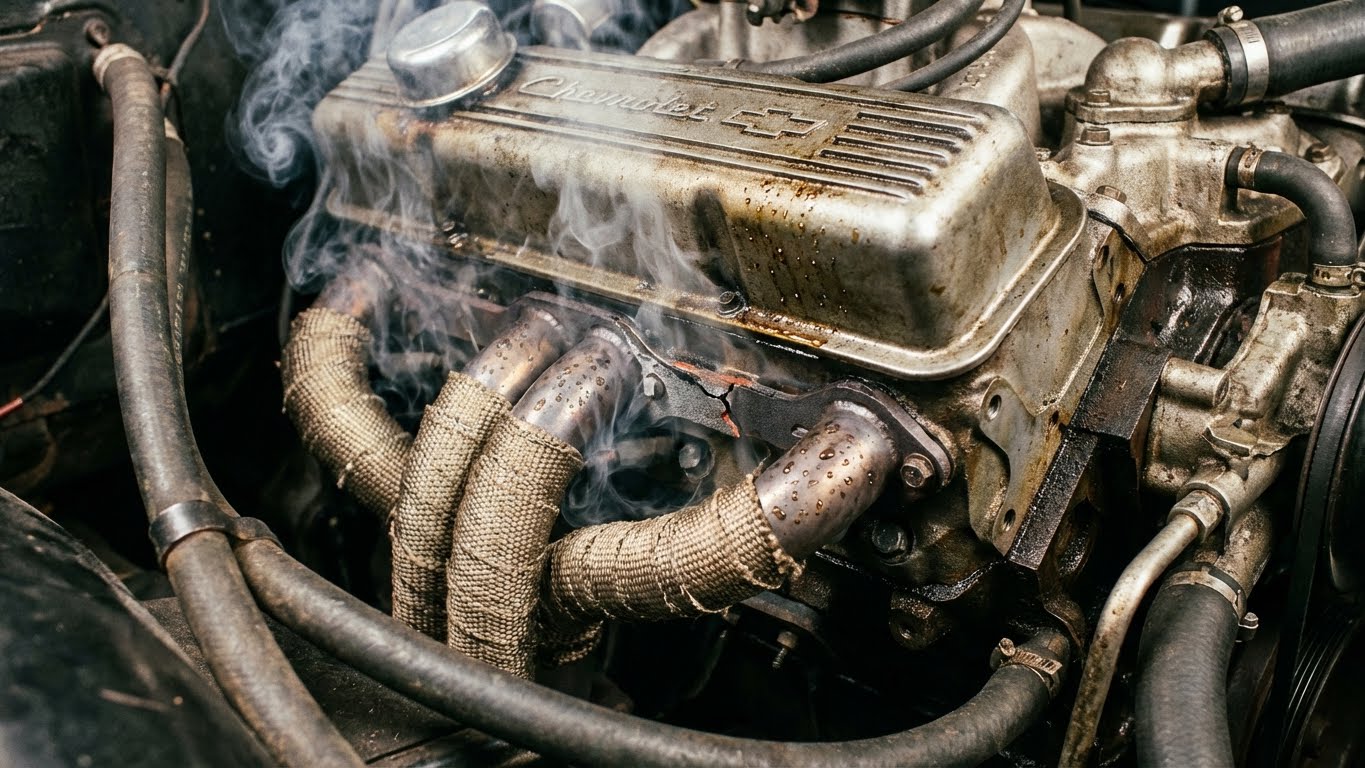
A burning oil smell in a car usually means that oil is leaking or dripping onto hot engine parts. This is a warning sign that should not be ignored because it can cause serious engine problems if left untreated. The smell may be strong when the engine is hot or idling, signaling that oil is burning off a hot surface like the exhaust or engine block.
There are several common reasons why this smell appears, including worn seals, leaks, or damaged engine parts. Sometimes the cause is easy to fix, such as tightening a loose oil cap or replacing a gasket, but other times it may require a professional inspection to prevent more damage.
Knowing how to recognize the source of the burning oil smell and acting quickly can save costly repairs later. Proper checks and maintenance help keep the engine running clean and safe, avoiding long-term effects on vehicle performance.
Key Takeaways
- Burning oil smell means oil is leaking and touching hot engine parts.
- Identifying the smell early helps prevent serious engine damage.
- Regular maintenance reduces the chance of burning oil problems.
Common Causes of a Burning Oil Smell in Cars
A burning oil smell usually signals oil contacting hot engine parts. It often means there is a leak, damage to seals, oil spillage, or issues with filter installation. Identifying the source quickly can prevent bigger engine problems.
Oil Leaks on Engine Components
Oil leaks are a common reason for the burning oil smell. When engine oil leaks, it often drips onto hot parts like the exhaust manifold or the catalytic converter. The heat causes the oil to burn, producing a sharp, distinct odor.
Leaks can come from several places such as the oil pan gasket, valve cover gasket, or seals around the engine. Over time, these parts wear out or get damaged, allowing oil to escape.
Even small leaks can cause the smell. Because the oil may not always puddle visibly on the ground, looking under the hood and checking for oily spots on engine components helps spot leaks early.
Worn Gaskets or Seals
Gaskets and seals keep oil inside the engine. When they wear down or become brittle, oil can start seeping out. Common areas include the valve cover gasket and the crankshaft or camshaft seals.
Worn gaskets may cause slow leaks, letting oil drip onto engine parts that reach high temperatures. This contact burns the oil, triggering the smell.
Replacing old or damaged gaskets and seals is key to stopping the oil leak. Regular maintenance helps detect early signs before the problem worsens.
Overfilled or Spilled Oil
Too much oil in the engine can cause problems. When the engine is overfilled or oil spills during an oil change, the excess oil can leak or splash onto hot engine parts.
Spilled oil on the exhaust or engine block burns quickly, creating a strong odor. This often happens if the oil cap or drain plug is not tightened properly.
Checking oil levels with the dipstick and cleaning up any spills during maintenance can prevent this problem. Proper oil handling reduces the risk of burning smells.
Faulty Oil Filter Installation
An oil filter is essential but must be installed correctly. If the oil filter is loose, damaged, or the seal is faulty, oil can leak out.
Leaking oil from a bad filter often sprays onto hot engine parts. This causes the oil to burn and creates the burning smell inside or outside the car.
Double-checking the filter during oil changes and using quality parts reduces the chance of this issue. It is also important to replace the filter at recommended service intervals.
How to Identify the Source of the Burning Oil Smell

Finding where the burning oil smell is coming from helps pinpoint if there is an oil leak or if oil is simply burning off hot parts. This involves a careful check of the engine area, distinguishing the smell from other odors, and watching for dashboard signals that hint at oil problems.
Visual Inspection Techniques
The first step is a close look under the hood. Check the engine and surrounding parts for oil stains or wet spots. Focus on areas near the valve cover, oil pan, and gasket seals. Look for shiny, dark patches where oil might be leaking.
Also examine the engine block and exhaust manifold. If oil leaks onto these hot surfaces, it burns and creates the smell. Use a flashlight to see hidden spots.
It’s important to check the oil level too. Low oil could mean it’s leaking somewhere. Look on the ground beneath the car for fresh oil drops. This visual check can often reveal common leak sources before deeper diagnostics are needed.
Distinguishing Oil Smell from Other Odors
A burning oil smell is sharp and acrid, different from other car odors. It is often confused with burning rubber or coolant leaks, but oil smells thicker and less sweet than coolant.
If the smell appears right after the car starts warming up, it may be oil hitting exhaust parts. Burning rubber smells more like rubber melting and lasts longer. Antifreeze smell is sweet and distinct from oil.
To confirm, he can open the hood safely while running the engine briefly and sniff carefully around the engine areas. The strongest smell usually traces right back to the oil leak or spill site rather than the whole engine.
Warning Signs on the Dashboard
Several dashboard lights warn when oil-related problems occur. The oil pressure light is a key signal—the icon looks like an oil can. If it comes on or flashes, it means oil pressure is too low, possibly from leaks or low oil level.
The check engine light can also indicate oil burning inside the engine, often tied to burning oil symptoms like blue smoke from the exhaust or decreased engine performance.
Monitoring oil level with the dipstick regularly helps catch issues before lights turn on. Dashboard alerts combined with smell detection give strong evidence that oil is burning or leaking and requires prompt action.
Risks Associated With Ignoring a Burning Oil Odor
A burning oil smell in a car signals several risks that affect the engine, safety, and overall vehicle operation. Ignoring this warning can lead to costly repairs, unsafe driving conditions, and reduced car efficiency.
Engine Damage Potential
When oil leaks or burns inside the engine, it can cause serious harm over time. Oil lubricates moving parts, so if it burns off or leaks, metal surfaces may rub together. This friction wears down engine components, leading to failures like worn piston rings or damaged valve seals.
Continued oil loss reduces lubrication, causing overheating and increased engine wear. If left untreated, this can result in engine seizures or the need for major repairs such as replacing the head gasket or rebuilding the engine. Early attention to a burning oil odor helps prevent these costly issues.
Fire Hazard Considerations
Oil that burns or drips onto hot engine parts increases the risk of fire. Oil is flammable, and when it gets on exhaust pipes, the catalytic converter, or the engine block, it can ignite. This is especially dangerous in cars driven frequently or on long trips.
A fire caused by leaking oil not only destroys the vehicle but also endangers the driver and passengers. It can spread quickly, making immediate repair necessary. Any burning oil smell should be treated as a safety risk, requiring prompt inspection and repair to avoid fire hazards.
Performance and Fuel Economy Issues
Burning oil affects how well the car runs. When the engine uses oil as fuel, it reduces fuel efficiency because oil is not meant to be burned for power. This leads to more frequent refueling and higher fuel costs.
Engine power also drops as worn parts fail to work properly. The car might run rough, stall, or lose acceleration. Emissions increase as burning oil creates smoke and pollutants. Fixing the source of the burning oil odor preserves performance and keeps fuel use and emissions at expected levels.
Troubleshooting Burning Oil Smell in Your Vehicle
Burning oil smells often come from leaks or oil hitting hot engine parts. Finding the source quickly can prevent serious damage. Checking oil levels, inspecting seals, and noting smoke or smells helps pinpoint the problem. Some fixes can wait, but others need fast action.
Step-by-Step Diagnostic Methods
Start by checking the engine oil level. If it drops quickly or is low, there is likely a leak or excessive burning. Look for blue or gray smoke from the tailpipe, which shows oil burning inside the engine.
Next, inspect the valve cover gasket and oil pan for signs of leaks. Oil on these parts can drip onto hot engine surfaces, causing the smell. Check around the exhaust manifold too, as oil leaks there create a strong burning odor.
Use a flashlight to find wet spots or fresh oil stains in the engine bay. Smelling near the engine can also help locate the source. Monitoring oil consumption and smoke also tells if the engine is burning oil internally.
When to Seek Professional Help
If the source of the smell is unclear or if oil leaks continue, it is best to visit a mechanic. Persistent burning oil smells may indicate worn seals, gaskets, or internal engine damage.
Also, if the car shows loss of power, unusual noises, or excessive smoke, it needs inspection. Professionals can use tools like pressure testers or engine scanners to find hidden leaks or mechanical issues.
Important parts like the valve cover gasket or piston rings require specific knowledge to repair. Delaying service risks more engine damage and costly repairs.
Temporary Solutions While Driving
If the burning oil smell appears while driving, avoid heavy engine load or prolonged idling. Lower RPMs reduce the chance of oil reaching hot parts.
Check the oil level regularly to prevent running too low. If the oil is too high, draining the excess can stop leaks caused by high pressure.
Use engine covers or heat shields to limit oil drip on hot surfaces if accessible. Keep the engine bay clean to spot leaks early.
These steps only delay the problem and should not replace a proper repair.
Preventative Maintenance to Avoid Oil Smells
Proper care can reduce the chances of oil burning smells. This includes following correct oil change routines, inspecting engine parts for wear, and keeping the engine area clean to stop oil buildup.
Regular Oil Change Best Practices
Changing the oil regularly keeps the engine lubricated and prevents oil breakdown. It is important to follow the manufacturer’s recommended oil change schedule. Using the right oil type and quality also matters, as poor oil can cause engine damage and leaks.
During oil changes, the technician should check the oil filter too. A clogged filter can force oil past seals and cause leaks. Regular oil monitoring between changes helps catch low oil levels or dirty oil, which can raise risks of burning smells.
Checking and Replacing Gaskets
Gaskets seal engine parts to prevent oil leaks. Over time, they can dry out, crack, or wear thin. This lets oil escape onto hot engine parts, causing a burning smell.
Routine inspections of key gaskets—like valve cover and oil pan gaskets—are critical. Replacing damaged gaskets promptly stops leaks. Mechanics should also check seals around the oil filter and drain plug. Faulty or missing gaskets increase the risk of oil burning odors.
Routine Engine Bay Cleaning
Oil and dirt often build up in the engine bay, especially if leaks exist. Cleaning the engine bay removes any oil residue before it has a chance to burn and smell.
This cleaning should be done carefully to avoid damaging electrical parts. Using a degreaser with warm water and a soft brush can help. Regular cleaning makes leaks easier to spot and prevents oil from igniting on hot surfaces.
Keeping the engine bay free of oil also helps maintain cooling efficiency, which reduces overheating that can worsen oil smell problems.
Costs and Repair Options for Burning Oil Issues
Repairing a burning oil problem can vary widely in cost depending on the cause and severity. Some fixes are simple and affordable, while others involve more extensive engine work. Vehicle owners should also check if their car’s warranty or insurance might cover some repair costs.
Expected Repair Expenses
Repair costs for burning oil issues usually range from about $100 to $2,000. Small fixes like replacing a valve cover gasket or fixing an oil pan leak tend to be on the lower end. These repairs often cost under $300 and can stop oil from leaking onto hot engine parts, which causes the burning smell.
More serious problems, such as worn piston rings or valve seals, require engine work and can cost $1,000 or more. If the catalytic converter is damaged by oil contamination, that adds to the expense. Regular checks can help catch issues early before they become costly.
Warranty and Insurance Considerations
If a car is still under manufacturer warranty, repairs related to burning oil may be covered, especially if the issue is caused by factory defects. It’s important to review the warranty terms to understand what parts or repairs qualify.
Car insurance usually does not cover engine problems from normal wear, including burning oil. However, if the issue results from sudden damage, like a crash causing an oil leak, insurance might help. Vehicle owners should contact their dealer or insurer to confirm coverage before paying for repairs.
Long-Term Effects of Burning Oil on Vehicle Performance
Burning oil inside an engine can cause several long-term problems. When oil is consumed during combustion, engine parts receive less lubrication. This leads to increased friction and faster wear on crucial components like pistons and cylinders.
Over time, this wear can reduce engine power and efficiency. The vehicle may experience poor acceleration and lower fuel economy. As oil burns, it can also leave deposits on spark plugs, causing misfires and rough idling.
Another serious effect is possible damage to the catalytic converter. Burning oil produces contaminants that clog or harm this emission control device. As a result, emissions increase and the car may fail emissions tests.
If oil burning continues unchecked, it may lead to overheating. The engine’s cooling system can become less effective because of buildup and damage from burnt oil residues.
Here are key consequences of long-term oil burning:
| Effect | Description |
|---|---|
| Engine Wear | Less lubrication causes faster damage |
| Reduced Performance | Lower power and fuel efficiency |
| Spark Plug Fouling | Deposits cause bad ignition |
| Catalytic Converter Damage | Harmful contaminants clog and reduce lifespan |
| Overheating Risk | Deposits can cause inefficient cooling |
Regular monitoring and early repair are essential to avoid these problems. Ignoring oil burning can lead to costly repairs and shorten the engine’s life.
FAQs
What causes a burning oil smell in a car?
The smell usually means oil is leaking onto hot engine parts. Common causes include worn seals, a damaged valve cover gasket, or an overfilled oil pan. Even small leaks can create the odor.
Is it dangerous to drive with a burning oil smell?
Yes, it can be risky. Burning oil might lead to engine damage or even a fire if left unchecked. It’s best to inspect and fix the issue as soon as possible.
How can someone tell if their car is burning oil?
Look for bluish smoke from the exhaust, a strong burning oil smell, and check if the oil level drops faster than normal. These signs suggest the engine is burning oil internally.
What should be done first if a burning oil smell is noticed?
Check the oil level and replace the oil filter if needed. If the smell continues, inspect for leaks or damaged components. In some cases, the oil pump might need checking.
Can a car have a burning oil smell without a visible leak?
Yes. Sometimes oil can seep slowly from seals or gaskets and drip onto hot parts but may not leave obvious puddles. This causes the smell without showing clear leaks.
| Symptom | Possible Cause | Recommended Action |
|---|---|---|
| Burning oil smell | Oil leaks on hot engine part | Inspect seals and gaskets |
| Blue smoke from exhaust | Burning oil internally | Check oil consumption |
| Oil level dropping fast | Engine burning oil internally | Visit mechanic if unsure |
This table highlights common causes and steps to take when dealing with a burning oil smell.
Conclusion
A burning oil smell in a car is a sign that something needs attention. It often points to oil leaking onto hot engine parts or worn seals. Ignoring the smell can cause bigger problems and costly repairs.
Drivers should regularly check oil levels and look for leaks or damaged parts. If the smell continues without visible leaks, it could mean there is a deeper issue like a faulty valve or gasket. In such cases, professional help is advised.
Key actions to consider:
- Check and refill oil levels as needed
- Inspect for leaks or burnt oil deposits
- Replace old or damaged seals and filters
- Consult a mechanic if the problem persists
Being proactive with these steps helps protect the engine’s health. It also keeps the vehicle safe and running well. The burning oil smell should not be ignored but treated as a useful warning sign.