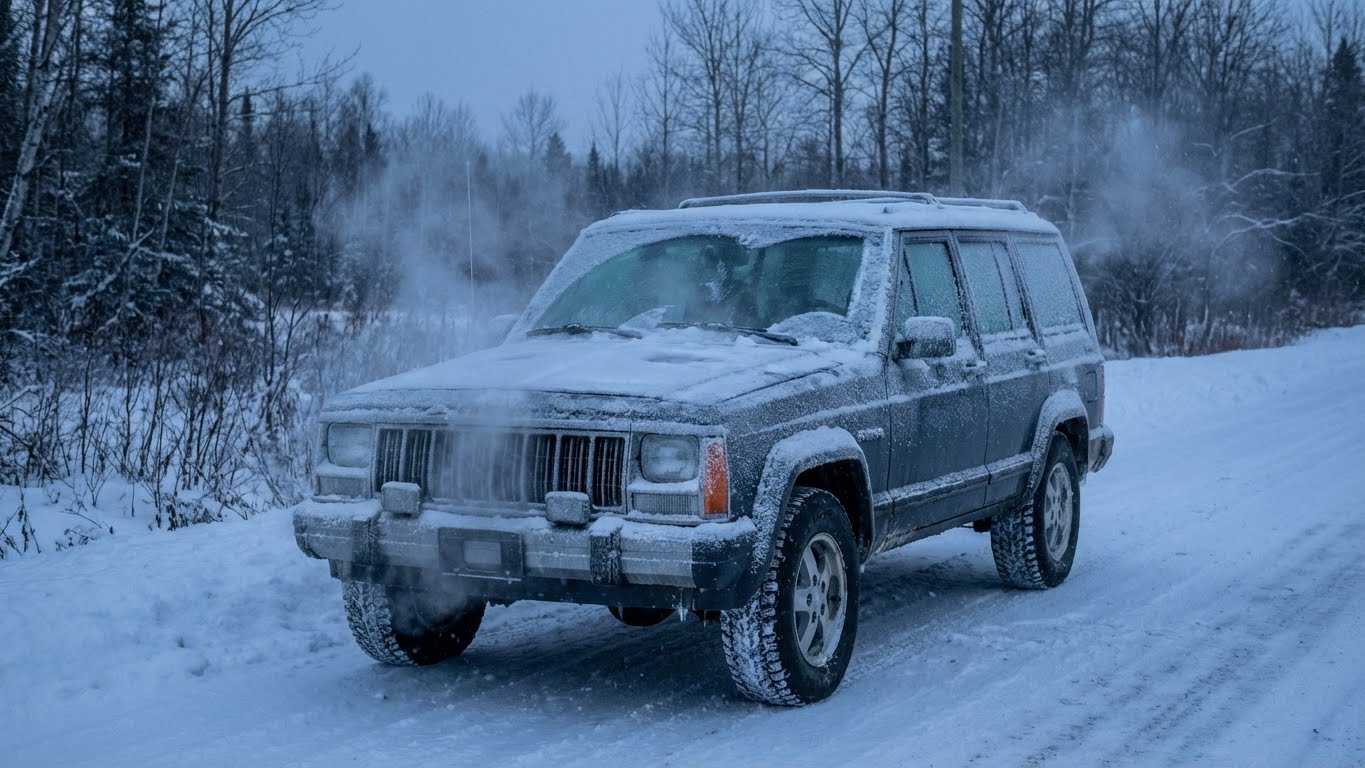
Many people wonder if engine oil can freeze inside a car during very cold weather. Engine oil does not freeze solid like water, but extreme cold can cause it to thicken significantly, which slows down its flow and can affect engine performance. This thickening can make starting the engine harder and increase wear until the oil warms up and flows more freely.
The impact of cold oil depends on factors like the type of oil used and the temperature outside. Using the right oil for winter conditions helps keep the engine protected. Understanding how oil behaves in cold weather is important for anyone living in very cold climates.
Being aware of these effects can help drivers avoid damage and keep their car running smoothly. This article explains if and how oil can freeze or thicken, what to watch for, and what steps can prevent problems.
Key Takeways
- Engine oil thickens in extreme cold, slowing down engine lubrication.
- Choosing the correct oil helps prevent flow issues in winter.
- Recognizing signs of thickened oil aids in timely maintenance.
Can Oil Freeze In Your Car?

Engine oil in cars does not freeze solid like water, but very cold temperatures cause it to thicken. This thickening slows oil flow and can make starting the engine harder. The way oil behaves in cold weather depends on its type and viscosity and differs from other vehicle fluids.
Understanding Oil Freezing Points
Engine oil does not have a single freezing temperature. Instead, it thickens gradually as temperatures drop, usually starting between -10°C and -50°C (-14°F to -58°F). The exact temperature when oil behaves like a solid depends on the oil’s base stock and additives.
Thicker oils with higher viscosity grades will start to slow down sooner in the cold. For example, SAE 5W-30 oil flows better in cold than SAE 15W-40. Synthetic oils generally handle cold better than conventional oils because of their chemical structure.
Using the right oil for the climate, often specified in the vehicle’s manual, helps avoid problems related to stiff oil in the winter.
What Happens When Oil Freezes
When oil thickens, it loses its ability to lubricate engine parts effectively. This increases friction at cold starts, making the engine work harder and may cause premature wear.
The oil’s flow slows inside tight engine gaps, delaying critical lubrication. In extreme cold, the engine might struggle to start because the oil resembles honey in thickness.
Car owners might notice sluggish engine cranking or odd noises before the engine fully warms up. Using winter-grade oil and keeping the battery strong can help prevent these issues.
How Car Oil Differs From Other Fluids
Unlike water or coolant, engine oil does not freeze solid but becomes more viscous as it cools. Coolant freezes at much higher temperatures, so it requires antifreeze protection, while oil thickens without forming ice crystals.
Gasoline also behaves differently; it can gel but not freeze like water. Brake fluid and transmission fluid have varying freezing points but are specially formulated to stay liquid in cold conditions.
Engine oil’s main challenge in cold weather is flow rate reduction rather than freezing completely. This is why oil selection and maintenance are critical for cold climates.
Factors Affecting Oil Freezing
Engine oil behavior in cold weather depends on its chemical makeup, the temperature it faces, and how its flow is managed. These factors determine how much the oil thickens and if it can protect the engine effectively.
Types of Motor Oil and Their Properties
There are several types of motor oil, including conventional, synthetic, and blends. Conventional oils come from refined crude and have a higher chance of thickening in cold weather. Synthetic oils are engineered to withstand temperature changes better, keeping their flow ability even in very low temperatures.
Each type has a different freezing or thickening range. For example, conventional oils might start to thicken around -14°F (-10°C), while high-quality synthetics can remain fluid at much colder temperatures, sometimes below -58°F (-50°C).
Choosing the right oil type for the climate is essential. Using synthetic oils in cold regions helps prevent oil from becoming too thick and protects the engine during startup.
Impact of Temperature Extremes
Engine oil does not freeze sharply like water but thickens gradually as temperatures drop. The lower the temperature, the slower the oil flows. This reduced flow means the oil can’t lubricate engine parts well, increasing wear.
If temperatures hit extreme lows—below the oil’s thickening point—the oil might act almost like a solid. This state can strain the engine at startup and in operation.
Most engine oils begin thickening between -14°F and -58°F (-10°C to -50°C), depending on the oil’s type and additives. The colder it gets, the closer the oil moves toward a nearly frozen state, which can cause engine parts to seize without proper oil circulation.
Additives and Viscosity Index
Additives play a key role in how oil performs in cold weather. They improve the oil’s viscosity index (VI), a measure of how much its thickness changes with temperature.
Oils with a high viscosity index remain more stable across temperature ranges. Additives help prevent issues like gelling or thickening, allowing the oil to flow better in winter.
Viscosity grades (like 5W-30 vs. 10W-40) tell how thick the oil is at low and high temperatures. The first number with “W” shows how the oil flows in winter conditions. Lower “W” numbers mean the oil is thinner and flows easier in cold.
Choosing oil with the right additives and viscosity helps ensure smooth starting and proper lubrication, reducing risk of damage when it is very cold.
Symptoms Of Frozen Or Thickened Oil
Frozen or thickened oil causes noticeable problems in a car’s performance, especially when starting the engine. This can lead to warning lights and unusual sounds that signal trouble. Paying attention to these signs can help catch the problem early before damage occurs.
Engine Startup Issues
When oil thickens or freezes, it loses the ability to flow smoothly. This makes it harder for the oil pump to circulate it through the engine at startup. As a result, the engine may crank slowly or take longer to start. Sometimes the engine might even fail to start because the thick oil starves key parts of lubrication.
Drivers might notice that the engine feels stiff or rough during cold mornings. It can also stall or hesitate immediately after starting. These issues happen because thick oil cannot protect moving parts properly, increasing wear as the engine runs without enough lubrication.
Oil Light Warnings
The oil pressure light on the dashboard often comes on when oil thickens. This light indicates that oil pressure is too low for safe operation. Thick or frozen oil resists pumping, reducing the pressure needed to keep the engine lubricated.
If the light flickers or stays on, it signals a serious problem. The oil may be too thick to reach all engine sections, risking damage. Ignoring this warning raises the chance of engine failure due to lack of proper oil flow.
Unusual Engine Noises
Thickened oil can cause abnormal sounds from the engine. Without enough oil flowing quickly, metal parts start to rub against each other more harshly. This friction creates knocking, ticking, or grinding noises during startup and running.
These noises are early signs that the engine isn’t protected well. If ignored, it can lead to serious damage such as worn bearings or seized components. Listening for unusual sounds is important in cold conditions when oil thickening is a risk.
Preventing Oil Freezing In Your Vehicle
To keep engine oil flowing well in cold weather, it is important to use the correct oil type, consider tools to keep the oil warm, and store the vehicle properly. These steps help protect the engine from damage caused by thickened or frozen oil.
Choosing The Right Oil For Cold Weather
Using the proper oil viscosity is key to preventing oil from thickening or freezing. In very cold climates, lower viscosity oils, like 0W-20 or 0W-30, flow more easily at low temperatures compared to thicker oils.
Manufacturers often recommend specific oil grades for winter. It is best to check the vehicle’s manual and select oils rated for cold conditions. Additionally, synthetic oils perform better in freezing temperatures because they resist thickening more than conventional oils.
Regular oil changes also help maintain oil quality. Old or contaminated oil can thicken faster in the cold. Checking the oil level frequently ensures there is enough oil to lubricate the engine effectively.
Using Engine Block Heaters
Engine block heaters are electrical devices that warm the engine’s coolant and oil before starting the vehicle. They help keep the oil temperature above freezing, improving flow and reducing engine wear during cold starts.
Block heaters plug into an external power source. When used several hours before driving, they make starting easier and prevent oil from becoming too thick to circulate properly.
Installing a block heater is especially useful in freezing climates where temperatures drop well below freezing for prolonged periods. It is a practical investment to protect the engine and ensure reliable operation in winter.
Proper Vehicle Storage Preparation
Storing a vehicle in a warm or sheltered area helps prevent oil freezing. Parking inside a garage or using a weatherproof car cover reduces exposure to extreme cold.
If indoor storage is not available, placing the car in a location shielded from wind can lessen temperature drops around the engine. Keeping the fuel tank full and using antifreeze protect other components but also help the engine maintain better temperature control.
Before storing the vehicle for winter, checking and topping off all fluids, including oil and antifreeze, supports smoother engine operation in cold weather. Regular maintenance combined with smart storage choices minimizes cold-weather risks to the oil.
The Effects Of Oil Freezing On Engine Performance
When engine oil becomes thick or frozen in cold weather, it directly affects how well the engine works. This can lead to poorer lubrication, faster wear on parts, and sometimes lasting damage if not addressed. Proper oil flow is critical to keep the engine safe and running smoothly.
Reduced Lubrication Efficiency
Cold temperatures make oil thicker, which slows its flow through the engine. When oil is too viscous, it cannot reach all moving parts easily. This leads to less lubrication where it is needed most.
Without proper lubrication, metal parts rub against each other more, causing friction. This increases the chance of overheating and damage to key components like pistons and bearings. Engines may also sound louder or run roughly if oil isn’t circulating well.
Using motor oils with the right viscosity for cold weather helps maintain flow. Otherwise, the engine must work harder to pump thick oil, reducing overall efficiency.
Increased Engine Wear
Thicker oil means delayed lubrication at startup, a critical time for engine wear. During cold starts, parts experience the most stress because there is no or poor lubrication. This can accelerate wear on components.
Repeated exposure to frozen or thickened oil intensifies mechanical wear. Over time, this weakens engine parts and shortens their lifespan. It also increases the risk of scoring cylinder walls and damaging seals.
Regular oil changes with the correct oil grade help reduce wear in cold climates. Drivers who ignore this risk may face higher repair costs down the line.
Potential For Long-Term Damage
If oil remains thick or frozen for too long, permanent damage can occur. Lack of efficient lubrication can lead to metal fatigue, warping, or even engine seizure.
Frozen oil can also place extra strain on the vehicle’s battery and starter motor because the engine struggles to turn over. This can cause electrical problems or failures.
Long-term use of inappropriate oil in freezing conditions may result in costly engine rebuilds or replacements. Protecting the engine requires using oil designed for low temperatures and avoiding extended exposure to extreme cold.
When To Change Oil In Cold Conditions
Cold weather makes engine oil thicker, which reduces its flow and can strain the engine. Knowing the right time to change oil helps keep the engine protected and ensures easier starts on cold mornings.
Recommended Oil Change Intervals
Oil change intervals in cold weather often need to be shorter than usual. Experts suggest changing oil every 3,000 to 5,000 miles or at least once a year, whichever comes first, especially if the vehicle faces frequent short trips or very low temperatures.
Using winter-grade or synthetic oil can extend the oil’s effectiveness in cold conditions. These oils stay thinner when cold, which improves flow and engine protection. Checking the owner’s manual for specific recommendations is important because some engines require different oil types or change intervals.
Fuel combustion and contaminants increase oil degradation in cold weather. This makes it important not to wait too long between oil changes to avoid sludge buildup and poor lubrication.
Signs That Oil Needs Replacing
Several signs indicate it’s time to change the oil during cold seasons. One clear sign is difficulty starting the engine. Thickened oil raises resistance, making cold starts harder.
Another sign is darker, thicker oil on the dipstick, which means oil has broken down or collected dirt. A burning oil smell or unusual engine noises may also signal degraded oil.
If the oil level drops quickly, it may mean leaks or burning oil, which requires immediate attention. Regularly checking the oil condition during winter can prevent bigger engine problems later.
Common Myths About Oil And Freezing
Engine oil does not freeze like water but can thicken in very cold temperatures, affecting engine performance. Different types of oils react differently to cold, and some are better suited for freezing conditions than others.
Misconceptions About Oil Solidification
A common myth is that engine oil will freeze solid like ice in cold weather. In reality, oil becomes thicker and more viscous as temperatures drop. This thickening slows oil flow, which can make it harder for the engine to start and lubricate moving parts properly.
However, oil does not turn into a hard solid at typical winter temperatures. It only freezes, or becomes solid, under extremely low temperatures far below what most drivers will encounter. The main risk is reduced lubrication, not frozen oil blocking engine movement.
The Role Of Synthetic Oils
Synthetic oils handle cold temperatures better than conventional oils. They often remain fluid at much lower temperatures, sometimes below -40°F, compared to conventional oils which can thicken around -15°F to -25°F.
Because of their chemical makeup and additives, synthetic oils flow more easily in cold weather. This helps engines start faster and reduces wear caused by thickened oil. Choosing synthetic oil designed for winter use can protect the engine and improve performance in freezing conditions.
Summary
Engine oil does not freeze solid like water, but it can become very thick in extreme cold. This thickening slows down the oil’s flow, making it harder for the engine to start and work properly.
In temperatures as low as -40°F or colder, oil can act almost like a frozen substance. This can cause serious wear and damage to engine parts if not addressed. Using the correct oil viscosity for the climate helps keep the oil flowing smoothly.
Additives in motor oil also help prevent thickening and protect the engine during cold weather. Regular maintenance and choosing winter-grade oils are important steps to avoid problems in frigid conditions.
| Key Points | Details |
|---|---|
| Oil Freezing | Does not freeze solid, but thickens severely |
| Temperature Concern | Especially below -40°F (-40°C) |
| Effects | Difficult starts, engine wear |
| Prevention | Use right viscosity oil, winter-grade oils |
| Role of Additives | Helps maintain flow and engine protection |
Proper preparation ensures the engine receives the lubrication it needs even in harsh winter weather. This reduces wear and keeps the car running efficiently.
FAQs
Can engine oil freeze in a car?
Engine oil does not freeze like water but can thicken in extreme cold. This thickening slows the oil’s flow, making it harder for the engine to start and run smoothly.
At what temperature does oil become too thick?
Oil viscosity increases as temperatures drop. While it does not have a sharp freezing point like water, very low temperatures, sometimes below -40°F (-40°C), can cause the oil to become so thick it behaves like it is frozen.
What happens if oil thickens too much?
Thickened oil reduces lubrication between engine parts. This can cause increased wear and strain during cold starts, potentially leading to engine damage over time.
How can drivers prevent oil from thickening?
Using the correct oil viscosity for the local climate is essential. Oils designed for cold weather or synthetic oils are better at flowing in low temperatures. Regular oil changes and engine maintenance also help.
Do oil additives help in winter?
Yes, additives improve oil flow and reduce viscosity changes in cold weather. They help keep the engine protected when temperatures drop.
Is synthetic oil better for cold weather?
Synthetic oils generally flow better in extreme cold and resist thickening more than conventional oils. This makes them a good choice for winter driving conditions.
| Question | Short Answer |
|---|---|
| Can oil freeze? | No, it thickens but does not freeze solid |
| What temperature is risky? | Below about -40°F (-40°C) |
| Best oil for winter? | Synthetic or cold-weather oils |
| Role of additives? | Help keep oil flowing smoothly |
Conclusion
Engine oil does not freeze like water, but it can become very thick in extremely cold temperatures. This thickening limits the oil’s ability to flow, which can lead to poor engine performance and wear.
Choosing the right oil viscosity is important. Oils designed for cold weather maintain better flow when temperatures drop. Using synthetic oils or oils labeled for winter can reduce the risk of thickening.
There are practical steps to protect the engine oil:
- Check oil levels regularly
- Use cold-weather additives if needed
- Park the vehicle in a warmer place or use a block heater
- Drive gently until the engine warms up
Extreme cold, such as below -40°F, increases the chances of oil thickening. In these cases, it is even more important to take precautions.
By maintaining the vehicle well and selecting suitable oil, the risk of damage caused by thick or “frozen” oil reduces significantly. This helps keep the engine running smoothly through harsh winter conditions.