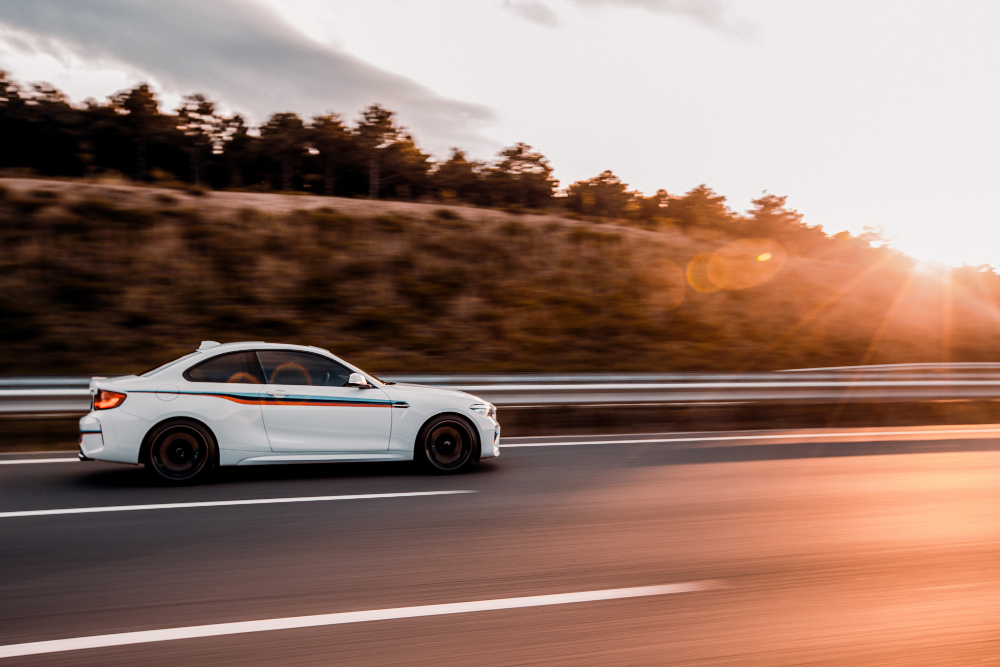
Tires play a bigger role in performance than most drivers realize. A powerful engine means little if your tires can’t grip the road or handle the pressure. Every bit of speed, acceleration, and cornering control depends on how your tires connect with the surface beneath.
High-performance tires deliver better traction, reduce rolling resistance, and respond faster during quick maneuvers. They’re engineered with specialized rubber compounds and tread patterns to maximize road contact and minimize energy loss.
Even under hard acceleration, the right set of tires helps transfer power more efficiently. Drivers chasing speed upgrades often overlook this key component and focus on horsepower or aerodynamics.
But switching to performance tires can unlock hidden potential without major mechanical changes. Understanding how tire technology impacts speed gives you an edge in both daily driving and competitive scenarios. Tires don’t just carry your car – they can push it to peak performance.
Can the Right Tires Really Make Your Car Faster?
Most drivers don’t think about tires when they think about speed. They often look at the engine, horsepower, or turbo. But tires matter. A lot.
The right tires can change how your car moves, turns, and accelerates. Some tires help a car feel light and quick. Others slow it down.
Speed isn’t only about power. It’s also about how your car grips the road. That’s where tires come in.
Better grip means better control, less slip, and more power reaching the ground. So yes, tires can make your car faster if you pick the right ones.
How Tires Affect Speed?

Tire Grip and Traction
Traction is how well your tires stick to the road. Soft tires grip better. This gives you more control in turns and faster starts. Racing tires, for example, are soft and sticky. They wear out fast but grip hard.
Hard tires last longer but don’t stick as well. On dry roads, soft tires help you go faster because the wheels don’t spin or slide.
Rolling Resistance
Rolling resistance means how much effort it takes for your tires to roll. Less resistance = more speed. Tires with a smooth surface and proper air pressure roll easier. This means your engine doesn’t work as hard. And your car moves quicker.
Tire Size and Width
Wider tires give better grip. But they can also slow you down if they’re too wide. More rubber on the road means more drag. For speed, balance is key. Not too wide. Not too narrow.
Bigger tires can change your gear ratio. This affects how fast your car picks up speed. Smaller tires spin faster and help in quick starts. Bigger ones help with top speed, but the car may feel slower at low speeds.
Types of Tires That Improve Speed
Performance Tires
These are built for grip, control, and speed. Used on sports cars. They work best in dry conditions. Not great in snow or heavy rain.
Summer Tires
Made for warm weather. They have a soft rubber mix that grips well. They work best on dry and wet roads in summer. Great for speed and cornering.
Track or Racing Tires
Very sticky. Built for race tracks. Not legal for everyday driving in many places. These tires help you go as fast as the car allows. But they wear out quickly.
Tire Pressure and Speed
Low air pressure slows you down. It also makes the car feel heavy and hard to steer. Too much air makes the tire stiff and reduces grip.
Check your tire pressure often. Use the number shown inside the driver’s door or in the car manual. The right pressure helps tires roll better and stay safe.
Tread Pattern and Speed
Tires have grooves (tread) to clear water and keep grip. Less tread means more rubber touches the road. This helps in dry weather. Race tires often have no tread at all.
Street tires need some tread to stay safe in rain. But tires with low tread often feel faster on clean, dry roads.
Weight and Tire Material
Light tires spin easier. This helps the car move faster. Heavy tires take more energy to turn. That slows you down. Some tires use special materials to stay light but strong. These are more costly, but they help with speed.
Do New Tires Make a Difference?
Old tires lose grip. The rubber hardens over time. Cracks can form. You may not notice it, but speed and control drop.
Fresh tires have better rubber. They grip better. That means better handling, better starts, and smoother turns.
Best Way to Make Your Car Faster with Tires
-
Pick tires made for performance
-
Keep them at the correct air pressure
-
Make sure they’re not too wide or too big
-
Choose soft rubber for grip
-
Avoid old or worn-out tires
FAQs
Can tires alone make my car faster?
Yes, but only a little. Tires help with grip and control, which can improve speed and acceleration. But don’t expect a huge boost unless your old tires were bad.
Do wider tires mean more speed?
Not always. Wider tires can help with grip, but they may add weight and drag. That can slow you down if not balanced well.
Should I use racing tires on my daily car?
No. Racing tires wear out fast and are not safe in wet weather. They’re not made for street driving.
Is low tire pressure good for grip?
Low pressure may help in off-road or drag racing. But on the road, it makes your tires soft and slow. Always use the right pressure for your car.
Do expensive tires make a car faster?
Price doesn’t always mean speed. Look at the type, grip, and build of the tire. Some mid-range tires perform better than pricey ones.
Final Thoughts
Tires play a big role in how your car performs. Fast cars need more than just a strong engine. The right tires help you grip, turn, and roll better.
That means better speed, smoother control, and more fun behind the wheel.
Before spending big money on upgrades, check your tires. They might be the easiest and smartest way to feel faster.