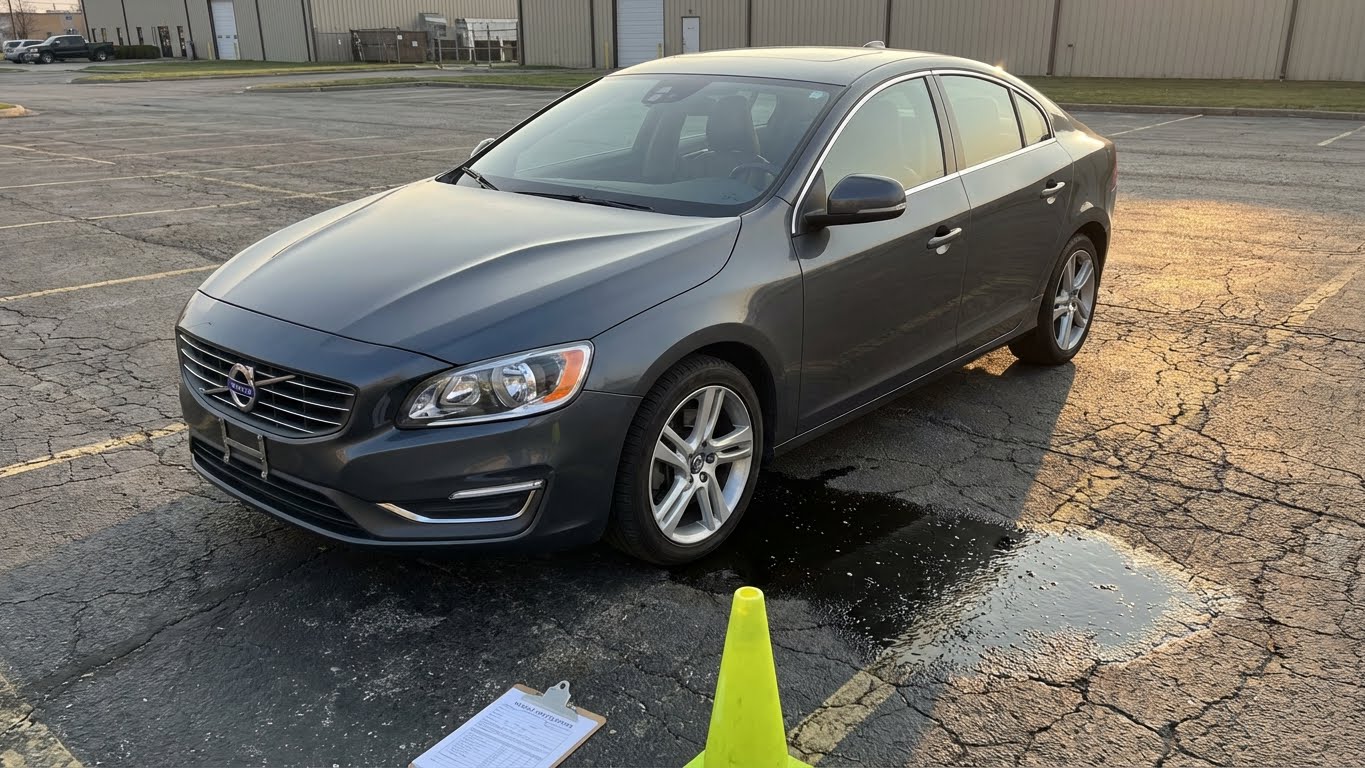
Driving a car with an oil leak is possible but not recommended. Oil is essential for lubricating engine parts and keeping the engine cool, so a leak reduces this protection and can lead to serious damage. While small leaks may not cause immediate problems, continuing to drive without fixing the issue increases the risk of costly repairs.
Many factors affect how long someone can safely drive with an oil leak. The size of the leak and the current oil level are important. If the oil level drops too low, the engine can overheat, seize, or fail. Ignoring an oil leak means the problem will likely get worse and may cause safety hazards, like oil catching fire if it contacts hot engine parts.
It’s best to check the oil level often and have a professional inspect any leaks. Knowing the risks can help car owners make informed decisions and avoid severe engine damage by acting early.
Key Takeaways
- Driving with an oil leak can damage the engine over time.
- The severity of the leak affects how long it is safe to drive.
- Prompt repair and regular oil checks prevent bigger problems.
Understanding Oil Leaks in Cars
Oil leaks happen when engine oil escapes from the normal sealed parts of the engine. They can range from small drips that leave spots on the ground to major leaks causing a fast loss of oil. Identifying the cause, type, and signs of these leaks helps in fixing them properly and avoiding damage.
Common Causes of Engine Oil Leaks

Engine oil leaks often occur because of worn or damaged seals and gaskets. Over time, heat and pressure break down these seals, allowing oil to seep out. Common failure points include the valve cover gasket, oil pan gasket, and crankshaft seals.
Damaged parts like a cracked oil pan or loose drain plug can also cause leaks. Another cause is overfilled oil, which increases pressure inside the engine and can push oil out through weak spots. Regular wear and tear or improper installation of engine components can lead to these issues.
Signs and Symptoms of Oil Leaks
One of the easiest signs is visible oil spots on the ground where the car is parked. Oil may also be visible around the engine or on parts underneath the vehicle. A burning oil smell can indicate oil leaking onto hot engine parts.
Other symptoms include low engine oil levels and warning lights on the dashboard. The engine may run hotter due to less lubrication. Some leaks cause smoke if oil drips on the exhaust system. Drivers might not notice early leaks but should check for these signs regularly.
Types of Oil Leaks
Oil leaks can be minor or severe depending on the source and size.
- Drip Leak: Slow and small drops, often from worn seals.
- Stream Leak: Continuous flow from a damaged gasket or hole.
- Puddle Leak: Large amounts of oil leaking fast, creating pools under the car.
Leaks can happen in various parts like the valve cover, oil pan, or timing cover. Some leaks are hard to see because they occur inside the engine or spray oil onto hidden areas. The severity affects how quickly repairs are needed.
Diagnosing the Source of an Oil Leak
Finding the source requires careful inspection. Technicians use a clean engine and add UV dye to the oil. A special light shows the dye path, pinpointing leaks.
Visual checks often focus on gasket lines, seals, and oil filters. The oil filter or drain plug might be loose or damaged. Checking oil levels and pressure can help spot leaks causing low oil. It’s important to find the source early to prevent engine damage and costly repairs.
Risks of Driving with an Oil Leak
Driving a car with an oil leak can cause several problems that affect the engine, the driver’s safety, and how well the vehicle performs. Ignoring an oil leak may lead to costly repairs and dangerous situations on the road.
Potential Engine Damage
Oil keeps the engine’s moving parts lubricated and cool. When there is a leak, the oil level drops, reducing lubrication and causing increased friction. This can lead to overheating of the engine, which damages components like pistons and bearings.
Continued driving with low oil risks complete engine failure. Worn or broken parts may require expensive repairs or even total engine replacement. Small leaks can become larger over time, making the problem worse. Checking oil levels often and fixing leaks quickly helps prevent major damage.
Safety Hazards on the Road
An oil leak can create slippery spots on the road when the oil drips onto pavement. These oily patches increase the risk of losing traction, which can cause accidents, especially for motorcycles or bicycles.
Leaked oil can also cause smoke or a burning smell if it hits hot engine parts. This can distract or alarm the driver and others nearby. In some cases, oil leaks lead to warning lights on the dashboard, signaling a dangerous issue that needs immediate attention.
Impact on Vehicle Performance
Lower oil levels reduce the engine’s ability to cool and lubricate, causing it to run less smoothly. Drivers might notice engine knocking, rough idling, or decreased power.
Fuel efficiency may drop as the engine struggles under strain. The car may also produce more emissions due to incomplete combustion. Ignoring these signs can lead to prolonged performance issues and greater damage over time. Regular maintenance and repairing leaks restore normal vehicle function.
Assessing the Severity of an Oil Leak
The size and location of an oil leak determine how serious the problem is. Understanding the difference between minor and major leaks, knowing when it is safe to drive, and recognizing signs that need urgent repair helps avoid engine damage.
Minor vs. Major Leaks
A minor leak usually causes small drops of oil under the car and doesn’t drastically lower oil levels in the engine. It may come from a loose drain plug, worn seals, or minor cracks in hoses. Drivers can often monitor oil levels and add oil as needed.
A major leak leads to large puddles and a quickly dropping oil level. This can happen if the oil pan is cracked or if a gasket fails entirely. Major leaks risk rapid engine damage, overheating, and failure. Major leaks require stopping use immediately and towing the vehicle for repair.
When It Is Safe to Drive
Driving is sometimes safe if the leak is small and oil levels remain within the recommended range. The driver should check the oil level with a dipstick before any trip.
If the leak is minor and the oil level holds steady, short trips to a repair shop are generally okay. It’s important to frequently check the oil and avoid long distances or heavy loads.
If oil smells strong or the engine temperature rises, the car should not be driven.
When to Seek Immediate Repairs
The vehicle needs urgent service if oil pressure warnings light up or if oil is visibly leaking near hot engine parts, creating smoke or strong smells.
Sudden oil level drops, engine knocking sounds, or warning lights require the driver to stop the car and call for a tow.
Any leak causing fluid to drip quickly or making large puddles needs professional help right away to prevent serious and costly engine damage.
Short-Term Actions If You Must Drive
If driving with an oil leak is unavoidable, specific steps can help reduce damage and maintain safety. These include taking safety precautions, regularly checking the oil level, and limiting drive time and speed to avoid worsening the problem.
Precautionary Measures
Before starting the trip, the driver should inspect the vehicle for signs of major leaks or loose parts. Carrying extra oil is essential. If possible, add oil to maintain the correct level.
Avoid heavy traffic and stop frequently to check for worsening leaks or smoke. It is advisable to drive with the engine cool and avoid steep hills or heavy loads, which can increase engine strain. Turning off the engine at rest stops helps prevent overheating.
Using a driveway or surface that is easy to clean is smart if an oil leak worsens during driving. The driver must also inform passengers about the situation to prepare for any needed stops.
Monitoring Oil Levels
Frequent oil checks are critical. The driver should check the oil dipstick before and after the drive. If the oil level drops rapidly, this signals an urgent problem.
Oil levels should be topped off as needed using high-quality motor oil matching the vehicle’s specifications. It’s important to avoid overfilling because that can damage the engine.
If possible, the driver should watch for warning lights on the dashboard and unusual engine noises — both signs of oil-related trouble. Stopping immediately when these warnings appear helps prevent engine damage.
Distance and Speed Considerations
The driver should keep driving distances short, ideally no more than a few miles, to limit engine stress. Long trips increase the risk of serious engine damage.
Lower speeds reduce engine temperature and the risk of pushing oil through damaged areas. Driving gently with smooth acceleration and braking minimizes strain.
Using GPS or smartphone apps to monitor speed and distance is helpful. Avoid highways or fast roads when possible, and choose routes with easy access to repair shops.
By limiting the trip duration and driving carefully, the driver can safely reach a service center to fix the leak.
Long-Term Consequences of Ignoring an Oil Leak
Ignoring an oil leak can lead to serious problems that affect the engine, finances, and the environment. Over time, these issues become more severe and costly to fix. The damage builds up steadily and may cause irreversible harm.
Permanent Engine Failure
When an oil leak is left untreated, the engine loses the oil it needs to lubricate moving parts. Without proper lubrication, the engine parts rub against each other, causing increased friction. This friction leads to excessive heat and metal wear, which can severely damage the engine.
Eventually, the lack of oil can cause critical parts like the pistons, camshaft, or crankshaft to seize or break down. When this happens, the engine may stop working entirely, requiring a full replacement. This is often called permanent engine failure, and it means the car is no longer usable without costly engine rebuilding or swapping.
Costly Repairs Over Time
Small leaks might seem harmless at first, but they can get worse quickly. The longer the leak is ignored, the lower the oil level will drop. Low oil causes the engine to work harder, which lowers its performance and efficiency.
Repair costs rise as the damage spreads. Fixing a simple leak might cost a few hundred dollars, but engine damage can lead to repairs costing thousands. Parts can warp, and overheating can damage seals and sensors as well. Delaying repair often means facing repair bills far beyond the original leak fix.
Environmental Impact
Oil leaks don’t just harm the car; they harm the environment too. Oil leaking onto roads or soil contaminates the ground and water sources. This pollution can damage plant life, animals, and freshwater supplies.
Leaked oil can also soak into storm drains, ending up in rivers and lakes. This creates a risk for aquatic life and can affect drinking water quality. Regularly checking and fixing leaks helps prevent this kind of environmental damage.
Proper Steps to Address an Oil Leak
When dealing with an oil leak, it is critical to know how to manage the issue immediately and plan for a lasting repair. Knowing the difference between temporary fixes and permanent solutions helps prevent further damage. Choosing the right auto repair service ensures the problem is correctly handled for long-term safety.
Temporary Fixes Versus Permanent Solutions
Temporary fixes can help motorists avoid engine damage while arranging for professional repair. Simple steps include adding oil additives that seal small cracks or using special stop-leak products. These treatments may reduce leaks for a short time, but they do not address the root cause.
Regularly checking the oil level and topping it off is necessary during this period. However, these temporary measures are not a substitute for full repairs. Permanent solutions often involve replacing worn gaskets, seals, or damaged engine parts. Waiting too long risks worsening the leak, leading to costly repairs or engine failure.
Choosing Qualified Auto Repair Services
Selecting a trusted and experienced auto repair shop is crucial. The repair must be done correctly to avoid recurring leaks. It is important to verify that the shop has technicians trained in engine repairs and uses genuine parts.
Discussing the repair process and costs upfront helps avoid surprises. Shops should be able to explain why the leak occurred and what will be fixed. Comparing estimates from multiple providers can help find a service that balances quality with price. A clear warranty or guarantee on the repair work is also a good sign of professional service.