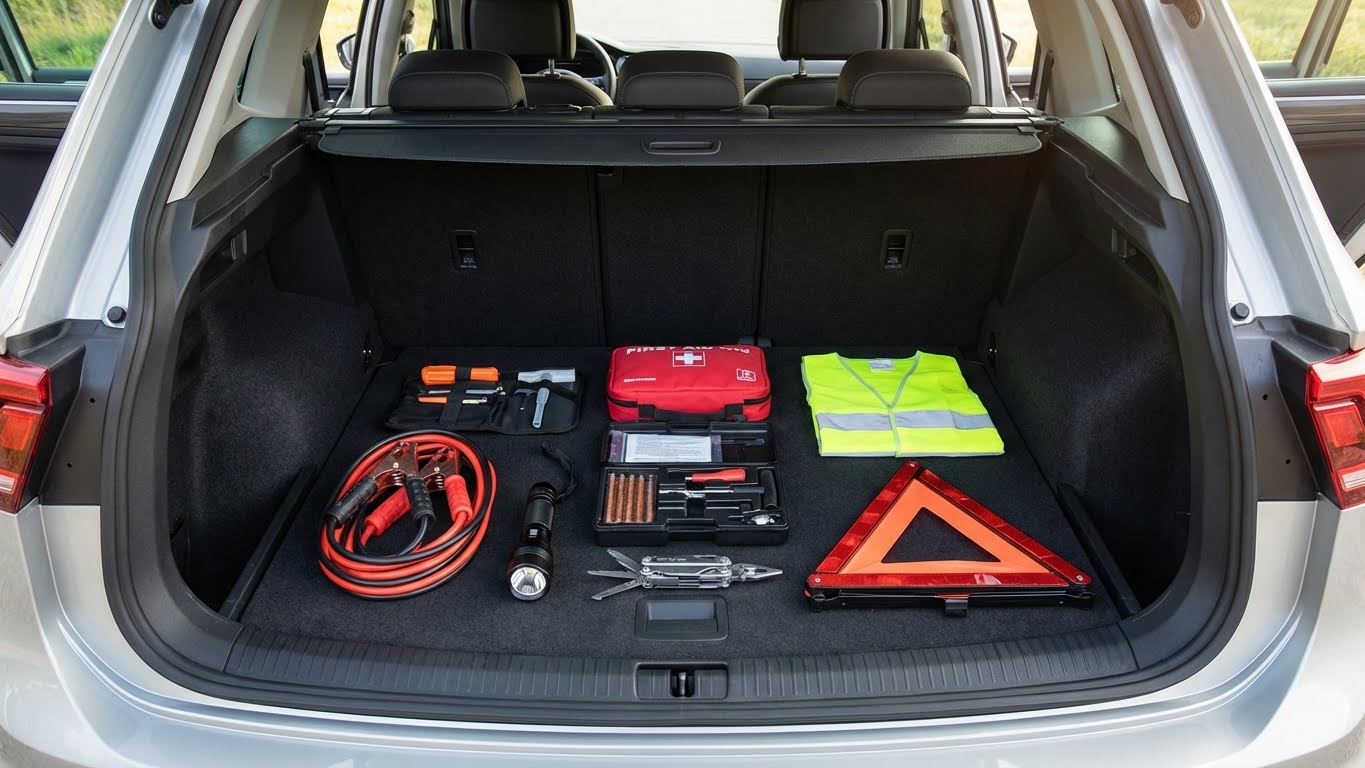
A car emergency tool kit is essential for every driver. It helps solve common problems like flat tires, dead batteries, or minor repairs that can leave someone stranded. Having the right tools and supplies in the car ensures quick and safe responses to unexpected breakdowns on the road.
An effective emergency kit goes beyond just tools. It includes items that improve safety, offer personal protection, and provide power or light when needed. Preparing a kit with carefully chosen gear gives drivers confidence and peace of mind during any roadside situation.
Knowing what to pack is key to being prepared year-round, no matter the weather or time of day. This guide covers the important items every car emergency tool kit should have to help drivers stay safe and ready.
Key Takeways
- A good emergency kit helps fix common car problems and keeps drivers safe.
- Safety, power, and lighting items are important parts of the kit.
- Preparing for different weather and situations improves readiness on the road.
Essential Tools for Every Car Emergency Kit

A well-stocked car emergency kit includes tools that help drivers handle common roadside problems quickly and safely. These tools allow for jump-starting a dead battery, fixing a flat tire, providing light in the dark, and performing small repairs when needed. Each item serves a specific role to keep a driver moving or safely waiting for help.
Jumper Cables
Jumper cables are critical for restarting a car with a dead battery. They should be heavy-duty and at least 10 to 12 feet long to reach between vehicles easily. Look for cables with thick insulation and strong clamps for better connection and safety.
Using jumper cables requires a second vehicle. The driver should connect the cables in the correct order to avoid sparks or damage: typically, positive to positive terminals, then negative to a grounded metal part. Always follow safety guidelines from trusted sources like the American Red Cross.
Carrying jumper cables means you can avoid waiting for roadside assistance in many situations. Knowing how to use them properly can make a big difference during an emergency.
Tire Repair Kit
A tire repair kit is essential for fixing minor tire flats without needing a tow. It usually includes tire plugs, a small hand pump or CO2 inflator, tire levers, and sometimes sealant. This kit suits punctures caused by nails or sharp objects.
The kit should be compact and easy to use. Most kits come with clear instructions for removing the object, cleaning the hole, inserting plugs, and reinflating the tire. Proper use allows the driver to safely reach a repair shop, reducing delays.
Drivers should check tire pressure regularly, but having a tire repair kit helps deal with sudden flats. For long trips, it’s especially important to have one. Additional details about tire safety can be found on Tire Safety Council.
Flashlight
A flashlight is vital for safety after dark or during low-visibility conditions. A strong, reliable flashlight helps the driver inspect the car, signal for help, or check the surroundings without using a phone’s battery.
Choose a flashlight with bright LED bulbs and a long-lasting battery. Rechargeable models with USB ports offer convenience but carrying extra batteries is wise. Water-resistant or rugged models increase durability in harsh weather.
A flashlight with multiple modes, such as strobe or SOS, is helpful in emergencies. Compact flashlights sized to fit in glove compartments or pockets are most practical.
Multi-Tool
A multi-tool combines several useful functions into one compact device. It often includes pliers, scissors, a knife, screwdrivers, and other tools. This versatility allows quick fixes like cutting seatbelts, opening cans, or tightening screws.
Selecting a high-quality multi-tool with strong, rust-resistant materials improves reliability. Compact design and easy access to tools matter for emergencies when time is limited.
Having a multi-tool in the car can solve many unexpected problems. It supports minor repairs that might otherwise require professional help. More information is available at REI’s Outdoor Multi-Tools Guide.
Safety and Survival Items
A well-prepared car emergency kit includes items that protect health, improve visibility, and signal for help. Having the right tools can reduce risks and make roadside incidents safer.
First Aid Supplies
First aid supplies are essential for treating minor injuries and managing emergencies until professional help arrives. The kit should include bandages of various sizes, antiseptic wipes, adhesive tape, gauze pads, and scissors. Pain relievers and allergy medication can also be useful.
A blister treatment and burn cream add extra protection. It is important to keep supplies organized in a waterproof case to prevent damage. The kit should be checked regularly to replace expired items. Having basic knowledge of first aid increases confidence and effectiveness in an emergency.
Warning Triangles
Warning triangles help alert other drivers to a stopped vehicle ahead, reducing the chance of a crash. They should be placed at least 20 to 50 meters behind the car, depending on road conditions.
Reflective surfaces on the triangles improve visibility in low light and bad weather. Many warning triangles fold flat for easy storage in the trunk or emergency kit bag. Using warning triangles properly can prevent secondary accidents on busy roads.
Reflective Vest
A reflective vest increases a person’s visibility when outside the vehicle at night or in poor weather. Emergency kits should include a bright, high-visibility vest with reflective strips.
Wearing this vest while changing tires or directing traffic makes the wearer easier to see by passing vehicles. Vests are lightweight and compact, making them easy to keep in the glove box or door panel. High visibility gear is a simple step that improves safety during roadside stops.
Emergency Power and Lighting
Reliable power and good lighting are vital during roadside emergencies. They help maintain safety and ensure devices stay charged for communication or repair tasks. Having the right tools in these areas makes managing unexpected situations easier and safer.
Portable Power Bank
A portable power bank is essential for charging phones, GPS devices, or other small electronics when the car battery is dead or the engine is off. It should have a capacity of at least 10,000 mAh to provide multiple charges for smartphones.
Look for power banks with fast charging and multiple USB ports to charge several devices at once. Some models also include a built-in flashlight, adding more value to the kit. Compact and lightweight designs are easier to store in the glove box or center console.
Keeping the power bank fully charged before trips is crucial. It offers peace of mind by ensuring communication devices stay powered in emergencies.
Headlamp
A headlamp keeps both hands free while providing focused light, which is critical for nighttime repairs or roadside safety. It should have adjustable brightness settings and a comfortable, secure strap.
LED headlamps are preferred for long battery life and bright, clear illumination. Waterproof or water-resistant models are better suited for bad weather conditions.
White light is standard for visibility, but some headlamps feature red or green light modes to preserve night vision and avoid attracting insects.
Including a headlamp in the emergency kit allows for safer and easier work on tires, engine checks, or signaling for help in the dark.
Extra Batteries
Spare batteries ensure that essential tools like flashlights and headlamps remain usable during long emergencies. The most common sizes to carry are AA, AAA, and sometimes CR2032 for smaller devices.
It is important to store these batteries in a dry, cool place to prevent corrosion or loss of power. Labeling the date of purchase helps track freshness since batteries lose charge over time.
Having extra batteries means the user will not be left in the dark or without light when needed most. This simple step increases overall preparedness significantly.
Weather-Specific Car Kit Essentials
Car emergency kits vary depending on the climate. In cold weather, it’s important to prepare for freezing temperatures, slippery conditions, and long waits in the cold. The right tools keep drivers safe and comfortable.
Thermal Blanket
A thermal blanket is a must-have for cold weather emergencies. It’s designed to retain body heat and protect against hypothermia. Unlike regular blankets, thermal ones are made from reflective materials that trap heat efficiently.
These blankets are compact and lightweight, so they don’t take up much space in a car kit. They can be used not just for warmth but also as ground covers or windbreaks when stranded outside the vehicle. Keeping one in the car can make a big difference on cold nights.
For more safety tips in winter weather, the National Safety Council offers useful advice on how to avoid hypothermia and frostbite during emergencies.
Ice Scraper
An ice scraper is essential for clearing frost, ice, and snow from car windows. Visibility is critical when driving, and an ice scraper ensures that drivers can see clearly in harsh winter conditions.
Good ice scrapers are sturdy, with a flat blade strong enough to chip away thick ice but safe enough to avoid scratching glass. Many models include a brush on one end to sweep snow off the windshield and hood.
Because frozen windows can delay departures and create unsafe driving situations, an ice scraper is a practical choice for every winter car kit. It helps keep driving safe and hassle-free.
Hand Warmers
Hand warmers provide a quick source of heat when exposure to cold becomes dangerous. These small, portable packets can be activated to produce warmth for several hours.
They help prevent frostbite in fingers and keep hands nimble for tasks like using the phone or tools during a roadside emergency. Single-use or rechargeable versions are available, and a few packets take up very little space in a kit.
Including hand warmers improves comfort and safety during long waits in cold weather. The American Red Cross recommends hand warmers as part of a comprehensive winter survival kit.