You might skip wheel chocks for quick stops, but you risk a rollaway when you work on your car, park on a slope, or leave a trailer hitched. You need wheel chocks whenever a parked vehicle could move under gravity or during maintenance, because they add a simple, reliable layer of protection that the parking brake alone may not provide.
Chocks come in rubber, plastic, and metal and work by wedging against the tire to stop motion. Learn when to use them, how many to place, and which type fits your vehicle so you can prevent accidents and protect your property.
Key Takeaways
- Use chocks when a vehicle can roll or when you work under or near it.
- Place chocks correctly and use them in pairs for best stability.
- Pick durable chocks sized for your vehicle and check them before use.
What Are Car Wheel Chocks?

Wheel chocks stop a vehicle from rolling by creating a solid, angled barrier at the tire. They vary by material, shape, and use, so choosing the right chock matters for safety whether you’re parking on a slope, using a jack, or hooking up a trailer.
Definition and Purpose
A wheel chock is a wedge-shaped block you place snug against a tire to prevent movement. It works by blocking the wheel’s path and increasing friction between the tire and ground. You use chocks when parking on inclines, during vehicle maintenance, or whenever the transmission or parking brake might fail.
Using chocks reduces the chance of rollaways and keeps the vehicle steady while you work. They are not a substitute for a parking brake, but they act as a reliable backup. Government and safety guides often recommend chocks for heavy equipment and trailers, and many repair shops require them when you raise a vehicle with a jack. (See OSHA guidance for vehicle safety.)
Primary Materials Used
Common chock materials include rubber, plastic (polyurethane or high-density polyethylene), and metal.
- Rubber chocks grip pavement and resist slipping; they’re good for everyday garage or driveway use.
- Plastic chocks are lightweight, resistant to chemicals, and often have a textured surface for grip.
- Metal chocks (steel or aluminum) handle extreme loads and harsh conditions but can slip on smooth surfaces without teeth or a rubber pad.
Choose a material based on weight, environment, and how often you’ll use them. For example, rubber works well for cars and trucks on asphalt, while metal suits heavy construction gear. Manufacturer load ratings and tread design affect performance—match them to your vehicle’s gross weight.
Types of Wheel Chocks
You’ll find several common types: single wedge, double-sided, tied chocks, and integrated-brake or trailer chocks.
- Single wedge: simple triangular block for a single wheel face. Good for quick, light-duty use.
- Double-sided (hourglass): fits both sides of a tire and often offers better lateral stability.
- Tied or chained chocks: pairs linked to prevent losing one when you leave a vehicle; useful for trailers and fleets.
- Specialty chocks: molded to fit specific tire sizes, foldable designs for storage, and chocks with spikes or rubber teeth for extra grip on steep or muddy ground.
Select chock size and style to match tire diameter and vehicle weight. Always place chocks on both sides of a wheel or use pairs on the downhill side of a slope for maximum safety. For official load and usage recommendations, check manufacturer specs or standards like those from SAE or DOT.
Why Wheel Chocks Matter for Car Safety
Wheel chocks add a simple, physical barrier that stops your car from rolling. They protect you, anyone nearby, and your vehicle during parking, maintenance, or loading.
Preventing Accidental Movement
When you work under a car or leave it parked on a slope, chocks block wheel rotation and stop unintended rolling. Place chocks snug against the tire tread on both sides of the wheel opposite the jack or the downhill side for extra security. Use two chocks for a standard car — one in front and one behind the same wheel — or one on each side of a tire when space allows.
Choose chocks sized for your vehicle’s weight. Rubber or polyurethane chocks give good grip on asphalt and concrete. Inspect chocks for cracks or wear before each use; damaged chocks can slip and fail.
Risks of Not Using Wheel Chocks
Skipping chocks increases the chance of the car moving while you’re under it or handling heavy parts. Even with the parking brake on, brake failure, uneven surfaces, or a stuck transmission can let the car roll. That movement can crush tools, damage the drivetrain, or cause severe injury.
Leaving a vehicle unattended on a ramp or incline without chocks also risks property damage. A rolling car can hit structures, other vehicles, or people. Insurance claims and repair bills can be steep compared with the low cost of chocks.
Scenarios Where Chocks Are Essential
Use chocks when you jack the car, swap a tire, tow, or load heavy cargo that could shift weight. Always chock the wheels that remain on the ground while using a jack. If you park on any slope greater than a gentle driveway, put chocks behind the downhill wheels.
Chocks are also crucial when a vehicle is stored long-term, when you work on brakes or suspension, and when trailers are uncoupled. For heavy trucks or trailers, use multiple chocks rated for the gross vehicle weight and position them to prevent both forward and backward motion.
- Recommended practice:
- Passenger cars: two chocks (one per side of a tire) or front-and-back on one wheel.
- Heavy vehicles: use chocks rated for weight and place multiple units.
- Surfaces: prefer chocks with textured bases for concrete or gravel.
Legal and Regulatory Considerations
You should know when laws, workplace rules, and insurance policies require chocks, and how industry standards guide proper use. These areas affect your legal exposure, employer responsibilities, and the types of chocks you should buy.
Safety Regulations Involving Wheel Chocks
Federal rules split responsibility by vehicle type. The FMCSA generally regulates commercial motor vehicles (CMVs) on the road and does not require routine chocking for drivers in most operations. OSHA, however, enforces workplace safety and requires chocking for non-CMV equipment when vehicles are being loaded, unloaded, or worked on. That means if you operate on a private loading dock, at a warehouse, or on a job site, OSHA rules can apply to you or your employer.
Some employers and facilities have written policies that go beyond federal rules. Local and state agencies may also set requirements for specific industries like rail, aviation, or ports. Follow posted rules at any facility and your company’s safety procedures to avoid citations.
Insurance Implications
Insurers look at preventive steps after a rollaway or loading-area incident. If you fail to use chocks where regulations or company policy require them, an insurer may reduce or deny claims for property damage or liability. That can increase your out-of-pocket costs and raise future premiums.
Document chock use when the job requires it. Keep records like inspection logs, training attendance, and photos when you chock heavy equipment or trailers. These records help prove you met the standard of care if a claim arises.
Industry Standards
Several industry groups publish practical guidance on chock selection and placement. Common points include using chocks rated for vehicle weight, placing chocks on the downhill side of tires, and blocking both sides of dual wheels. For dual-wheel axles, chocks should span both tires or you should use separate chocks on each tire.
Buy chocks made of hard rubber, polyurethane, or treated wood when appropriate. Look for products with load ratings, non-slip bases, and attachment holes for chains or straps. Train workers on inspection, placement angles, and when to use additional restraints like wheel straps or vehicle brakes.
How to Properly Use Car Wheel Chocks
Place chocks against the tire tread on solid, level ground when possible, and use at least two chocks for most situations. Pair chocks with the parking brake and use more chocks on slopes or with heavier vehicles.
Correct Placement Techniques
Always chock the wheels opposite the side you will be working on. For front-wheel drive cars, place chocks behind the rear wheels; for rear-wheel drive, place them in front of the front wheels. On a slope, use chocks on both sides of the wheel you are securing to resist roll in either direction.
Set chocks snugly against the tire tread, centered on the contact patch. Use two chocks per wheel when the surface is rough, oily, or when the vehicle is heavy. For added grip on smooth concrete, use rubber or textured chocks rated for your vehicle’s weight — check manufacturer specs on sites like OSHA for industrial guidelines.
Pairing with Other Safety Devices
Always engage the parking brake before you chock. If you’re lifting a wheel with a jack, place chocks on the opposite wheels first to stop movement. Use jack stands under solid lift points once the vehicle is raised; never rely on the jack alone.
Combine wheel chocks with wheel locks or transmission in gear for extra security on steep grades. For professional or commercial work, follow local regulations and industry guidance from sources such as the National Highway Traffic Safety Administration (NHTSA) when choosing chock types and setup.
Choosing the Right Wheel Chocks
Pick chocks that match your vehicle’s weight, tire size, and the surfaces you use most. Think about how often you’ll use them and whether you need portable or heavy-duty units.
Assessing Vehicle Type and Weight
Match chock capacity to the vehicle’s gross weight. For passenger cars and light SUVs, chocks rated for at least 2,000–3,000 lb per chock pair work well. For heavy trucks, RVs, or trailers, look for industrial ratings and multiple chocks per wheel; a single pair may not be enough.
Check your vehicle’s curb or GVWR (gross vehicle weight rating) on the door jam or manual. Divide the vehicle weight across the contact wheels to estimate load per wheel and choose chocks with a higher rated capacity than that number. Use extra chocks for steep grades or uneven ground.
Material Selection Guide
Rubber chocks resist slipping and grip on asphalt, concrete, and packed gravel. They compress slightly to conform to the tire. Urethane offers similar grip with greater durability and chemical resistance. Both are good for wet conditions.
Metal chocks suit extreme loads and industrial use but can slip on smooth surfaces and damage tires. Plastic chocks are lightweight and portable, good for occasional use on level ground. Choose materials based on load, surface traction, weather exposure, and how often you’ll use them.
Sizing Recommendations
Match chock size to tire diameter and tread width. Small car tires (14–16 in) need chocks about 3–5 in tall. Larger SUV or light truck tires (17–20 in) require 5–8 in tall chocks. Very large tires on RVs or heavy trucks need specialized, taller chocks.
Consider chock base width and wedge angle. A wider base resists tipping on soft ground. Steeper wedges fit narrow tires; shallower wedges suit wider tires. If you tow or park on slopes, buy larger or multiple chocks and store them where you can reach them quickly.
Maintenance and Longevity of Wheel Chocks
Regular checks and proper care keep chocks safe and usable. Inspect for cracks, wear, and fit, and store them clean and dry away from sunlight.
Inspection and Replacement Guidelines
You should inspect chocks before each use and at least monthly for stored units. Look for cracks, deep gouges, flat spots, or delamination on rubber or composite chocks. For metal chocks, check for bending, rust, or loose fasteners. If a chock no longer sits flush against the tire tread or wobbles under load, retire it.
Keep a maintenance log that records inspection date, condition, and any action taken. Replace chocks that show any structural damage or reduced grip. Follow manufacturer service life recommendations and industry standards such as OSHA guidance on equipment inspection for added reliability (https://www.osha.gov).
Proper Cleaning and Storage
Clean chocks after use with mild detergent and water to remove oil, grease, salt, or dirt. Avoid harsh solvents that can degrade rubber or plastic. Rinse and air dry completely to prevent trapped moisture that can cause corrosion or mold.
Store chocks indoors on shelves or in bins off the floor, away from direct sunlight and extreme heat. For metal chocks, apply light rust inhibitor if you store them in humid conditions. Keep chocks organized and protected so you can grab undamaged units quickly when you need them. For industry tips on material care and storage, consult manufacturer guidance or the SAE resources (https://www.sae.org).
Alternatives to Wheel Chocks
You can use the parking brake and a low gear on a manual transmission to help stop a vehicle from rolling. These steps reduce movement but rely on mechanical parts that can fail or slip on steep grades.
Blocks of wood, bricks, or stones work as makeshift chocks if they are solid and placed tightly against the tire. Use wide, sturdy pieces and never rely on loose or crumbly materials that can break under weight.
Wheel locks or clamps attach to the wheel and prevent rotation. They give a strong hold but cost more and can be bulky to store. You also need the right size for your wheel to avoid damage.
Ramps or wheel stops built into parking areas can stop rollaways for parked vehicles. These are fixed solutions and not portable, so they work only where installed.
Tire wedges with straps or integrated handles combine portability and grip for many vehicles. Look for rated capacity and weather-resistant material before buying.
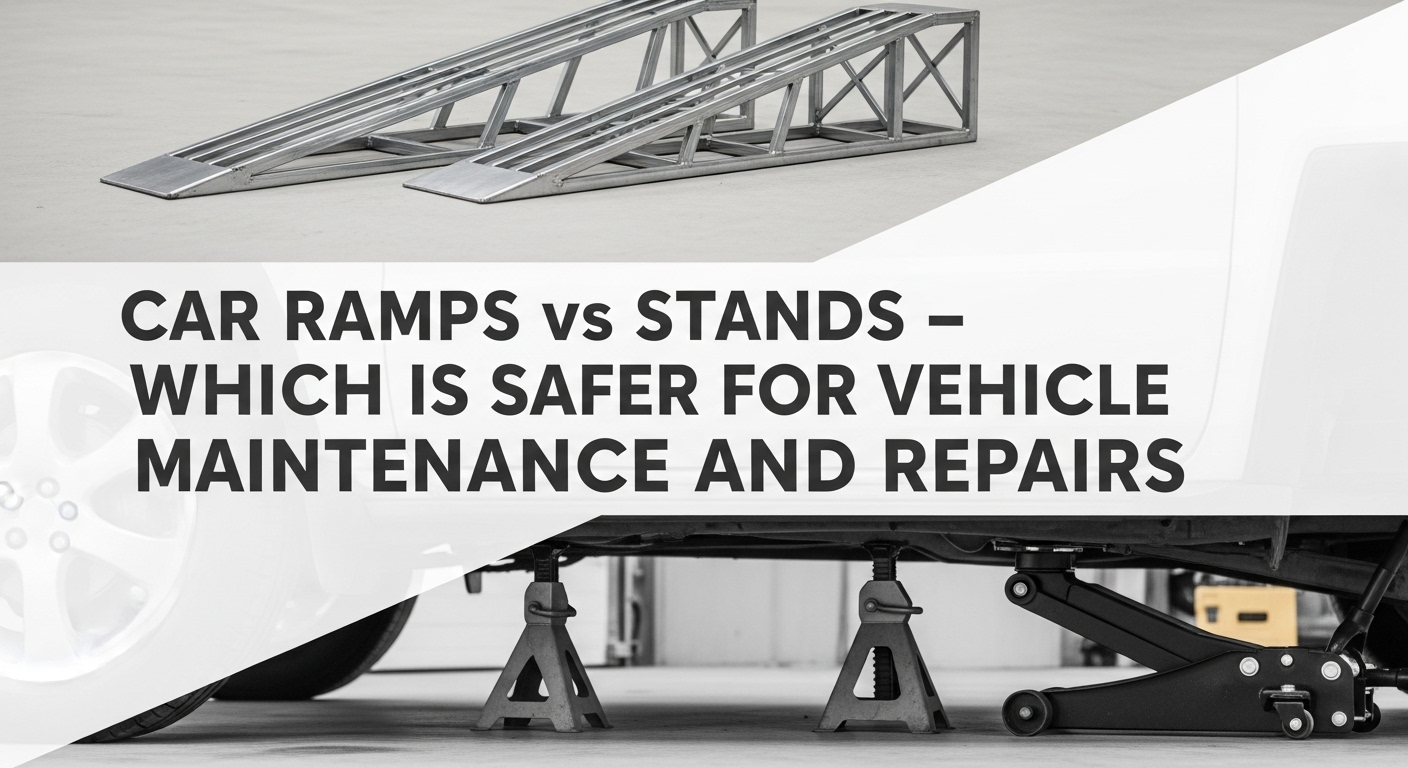
If you lift the vehicle with a jack, use jack stands as the primary support, not chocks alone. Jack stands keep the vehicle off the ground safely; chocks only prevent rolling.
Quick comparison (choose based on risk and use):
- Parking brake + gear: easy, but less reliable on slopes
- Wood/bricks: cheap, needs sturdy pieces
- Wheel clamp: strong, expensive
- Fixed ramps/stops: permanent, effective
- Portable wedges: balanced option for most drivers
FAQs
Do I need wheel chocks for everyday parking?
You usually do not need chocks on flat, level ground if your parking brake works. Use chocks when the ground is sloped, uneven, or when you expect to work on the vehicle.
How many chocks should I use?
Use at least two chocks—one on each side of a tire—to stop forward or backward movement. Place them against the tire tread and wedge them tight.
Where should I place chocks when lifting a car?
Chock the wheels that stay on the ground. If you lift the front, chock the rear wheels. If you lift the rear, chock the front wheels.
What type of chocks work best?
Choose chocks rated for your vehicle weight and terrain. Rubber chocks grip well on pavement; heavier-duty polyurethane or metal chocks suit larger vehicles and rough ground.
Can I rely only on chocks instead of the parking brake?
No. Use chocks as a backup to the parking brake. Combine both for better safety, especially on slopes or when working under the vehicle.
How do I maintain chocks?
Check for cracks, wear, and flat spots before each use. Clean off oil or mud so the chock can grip the surface properly.
Are chocks required by law or industry rules?
Some workplaces, haulers, and aviation rules require chocks. Check local and job-specific safety rules to know when they are mandatory.
Conclusion
Wheel chocks add a clear layer of safety when you park, jack, or work on a vehicle. You should treat them as a simple, low-cost tool that reduces the risk of unwanted movement.
Use chocks whenever you are on a slope, changing a tire, or using a jack. For most cars, two chocks—one on each side of a wheel—work well. Bigger vehicles or uneven ground may need more or heavier chocks.
Combine chocks with the parking brake and wheel placement for best results. Chocks never replace good practice; they support it.
Choose chocks that match your vehicle and surface. Rubber or heavy-duty plastic works for pavement, while larger, textured chocks suit gravel or soft ground.
Keep chocks in your kit and inspect them before use. Worn or cracked chocks can fail, so replace them when damaged.
Benefits at a glance:
- Prevents rollaways
- Protects people and property
- Easy to store and use
You control the risks when you plan and use the right gear. Wheel chocks make common tasks safer and give you extra confidence during repairs or parking on inclines.