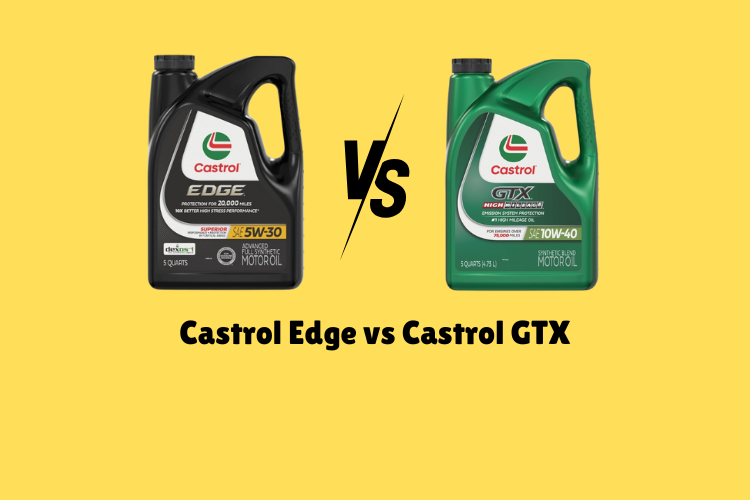
Drivers often face a tough choice between Castrol Edge and Castrol GTX because both oils promise strong protection and smooth engine performance. Each formula targets different needs, so the right pick depends on engine age, driving style, and performance expectations.
Castrol Edge stands out with its advanced full-synthetic formula that supports engines under high stress and heat, while Castrol GTX focuses on everyday reliability with a strong reputation for sludge defense and long engine life.
Modern vehicles with turbocharged engines gain more strength from the high-temperature stability of Edge, while older or high-mileage engines often benefit from the balanced and budget-friendly protection of GTX.
Both oils deliver solid value, yet their strengths vary enough to make the comparison meaningful for anyone who wants better insight before the next oil change. This breakdown sets the stage for a clear and practical understanding of how each option performs in daily driving.
Castrol Edge vs Castrol GTX
Strong engines need strong oil. Castrol offers two well-known options: Castrol Edge and Castrol GTX. Each product serves a different purpose. Each formula supports different engine needs.
This guide explains both oils in simple words. No complex terms. No confusing claims. Just clear facts. You get deep details. You get product sections. You get a final comparison and answers to common questions.
Castrol EDGE 5W-30 Motor Oil

Product Details
Castrol Edge 5W-30 stands as Castrol’s premium full synthetic oil. It targets drivers who want strong performance in both daily use and high-stress situations. The oil supports cars and trucks. The jug includes 5 quarts of oil.
Key technical points:
-
Viscosity: 5W-30
-
Brand: Castrol
-
Vehicle Type: Cars, trucks
-
Fit Type: Universal
-
Package: Jug
-
Volume: 5 quarts
-
UPC: 079191230848
-
Service Standards: Exceeds API SQ/SP/SN PLUS/SN, ILSAC GF-7, GM dexos1 Gen 3
-
Extra Approvals: Chrysler MS 6395, Ford WSS-M2C946-B1, Ford WSS-M2C961-A1
-
Claims:
-
3X stronger in viscosity breakdown tests
-
10X better performance in high-stress engine load tests
-
Up to 20,000 miles between oil changes or one year
-
Castrol Edge suits drivers who want top strength, stable protection at high temperature, and long oil-change intervals.
Key Differences
Oil Type
Castrol Edge uses full synthetic oil. The formula gives high heat stability and strong protection under heavy load.
Viscosity Options
This version uses 5W-30, which supports fast flow in cold starts and steady performance in hot weather.
Additive Packages
Castrol Edge uses a titanium-based additive package. The mixture builds a strong protective film under pressure. Extra detergents fight deposits.
Recommended Use Cases
-
Fast driving
-
Heavy traffic
-
Towing or hauling
-
Long-distance highway use
-
Newer engines with tight tolerances
Performance Comparison
Engine Protection
The titanium formula keeps a strong oil film on engine surfaces. Hard conditions do not break the film easily. This gives strong protection in high-load driving.
Fuel Efficiency
The smooth flow of 5W-30 helps lower friction. Less friction means better fuel use in many engines.
Mileage Longevity
The long-life design supports up to 20,000 miles between oil changes. The oil resists breakdown in long drives.
Cold-Start Performance
The 5W rating allows quick flow in cold weather. This protects moving parts from early wear.
High-Temperature Stability
Castrol Edge stays stable under high heat. The oil does not thin out fast in extreme conditions.
Product Options & Specs
-
Full synthetic
-
SAE 5W-30
-
5-quart jug
-
Meets advanced modern engine standards
-
Supports long drain intervals
Pros and Cons
Pros
-
Strong protection in high heat
-
Long oil-change life
-
Good fuel efficiency support
-
Quick cold-start flow
-
Wide approval list for modern engines
Cons
-
Higher price
-
Too advanced for older engines that do not need full synthetic
-
Not ideal for engines with heavy oil burning problems
Castrol GTX 10W-40 Motor Oil
Product Details
Castrol GTX 10W-40 targets older engines and engines with high mileage. The formula helps engines with 75,000+ miles. The bottle holds 160 fluid ounces.
Key technical points:
-
Viscosity: 10W-40
-
Brand: Castrol
-
Vehicle Type: High-mileage cars, trucks, SUVs
-
Fit Type: Universal
-
Package: Bottle
-
Volume: 160 fluid ounces
-
UPC: 079191231111
-
Key Benefits:
-
Phosphorus Replacement Technology protects emission systems
-
Strong sludge control
-
Reduced oil burn-off
-
Seal conditioners reduce leaks
-
Additives limit engine wear
-
Improved fuel economy compared to older conventional formulas
-
Castrol GTX focuses on long-term engine life and deposit control.
Features
-
Thick oil film for older engines
-
Seal-friendly formula
-
Less burn-off under heat
-
Sludge-fighting detergents
-
Smooth running in worn-out engines
What Is the Good?
-
Better support for engines with leaks
-
Good protection for high-mileage motors
-
Strong deposit control
-
Lower oil consumption in older engines
-
Good price range
What Is the Bad?
-
Not full synthetic
-
Not ideal for high-performance engines
-
Slower cold-start flow than 5W-30
-
Not a long-drain oil
-
Weak performance under extreme loads
Overall Opinion
Castrol GTX suits drivers with older cars. The formula protects aging seals, cuts sludge, lowers oil burn, and helps engines pass emission needs. The oil does not match the high-stress performance of Castrol Edge, but it delivers strong value and long engine life for high-mileage vehicles.
Full Comparison for Castrol Edge vs Castrol GTX
Castrol Edge focuses on top performance. The oil uses a full synthetic formula that stays strong under heat and heavy pressure. Drivers who push engines hard gain the most benefit. Newer engines run smoother with this oil.
Castrol GTX focuses on older engines. Engines with leaks, sludge, or high oil use gain clear improvements with its thicker 10W-40 formula. The seal conditioners help reduce drips. The oil also handles sludge better on engines that faced long neglect.
Castrol Edge wins in strength, heat control, fuel economy, and long oil-change distance. Castrol GTX wins in leak control, burn-off reduction, and protection for worn engines.
Detailed Comparison
| Feature | Castrol Edge 5W-30 | Castrol GTX 10W-40 |
|---|---|---|
| Oil Type | Full Synthetic | Conventional / High Mileage |
| Viscosity | 5W-30 | 10W-40 |
| Best For | Newer engines | Older engines (75k+ miles) |
| Engine Protection | Very strong | Moderate but steady |
| Cold Start | Fast flow | Slower flow |
| High-Heat Strength | Excellent | Good |
| Fuel Efficiency | Better | Average |
| Oil Burn-Off | Very low | Reduced for old engines |
| Sludge Control | Strong | Very strong |
| Seal Support | Normal | High |
| Oil-Change Interval | Up to 20,000 miles | Standard interval |
| Price | Higher | Lower |
| Stress Performance | Strong | Moderate |
FAQs
Does Castrol Edge work in old engines?
Castrol Edge works in old engines, but some older motors need thicker oil or leak protection. GTX fits those needs better.
Is Castrol GTX synthetic?
Castrol GTX High Mileage is not full synthetic. It uses a blend that supports older engines.
Does 5W-30 flow better than 10W-40?
Yes. 5W-30 flows faster in cold weather. 10W-40 flows slower but gives a thicker film.
Can Castrol Edge reduce leaks?
Castrol Edge does not include seal conditioners. GTX includes them.
Which oil gives longer mileage between changes?
Castrol Edge supports up to 20,000 miles. GTX follows normal intervals.
Which One Should You Choose?
Choose Castrol Edge if:
-
You drive a newer car
-
You want strong heat stability
-
You drive long distances
-
You want better fuel efficiency
-
You want long oil-change intervals
Choose Castrol GTX if:
-
Your vehicle has more than 75,000 miles
-
Your engine leaks a little
-
Your engine burns oil
-
You want strong sludge cleaning
-
You want a lower-cost option
Each oil serves a different purpose. Castrol Edge supports modern engines and high performance. Castrol GTX supports older engines and long-term engine life. Pick the oil that matches your vehicle age, driving style, and engine condition.