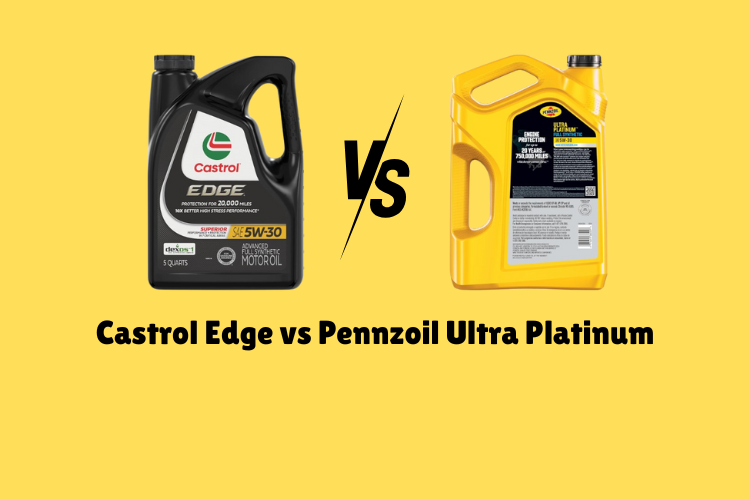
Drivers often search for motor oils that push engine performance to its highest potential, and two names dominate that conversation: Castrol Edge and Pennzoil Ultra Platinum. Each product delivers advanced protection, strong thermal stability, and impressive cleanliness, yet both take different approaches to engine care.
Castrol Edge focuses on titanium-based strength that unlocks sharper performance under extreme pressure, while Pennzoil Ultra Platinum relies on its PurePlus gas-to-liquid base oil to keep vital components remarkably clean.
This contrast creates a real challenge for anyone trying to pick a clear winner. Your engine’s demands, your driving style, and your climate all play major roles in determining which option fits best.
A clear breakdown of their strengths highlights how each oil shapes horsepower retention, sludge control, and wear resistance. This comparison gives you the clarity you need to match your vehicle with the oil that supports peak, long-term performance.
Castrol Edge vs Pennzoil Ultra Platinum
Castrol Edge and Pennzoil Ultra Platinum sit at the top of the full synthetic motor oil market. Both products target drivers who demand strong protection, long engine life, and stable performance in tough conditions.
Each brand uses a different formula and design goal, so real differences appear once you study the details. Strong metal protection. Steady viscosity. Clean engine operation. Long service life.
These are the factors that matter most. Here is a clear breakdown that helps you understand both oils in simple terms.
Castrol EDGE Synthetic Motor Oil

Product Details
Castrol Edge 5W-30 stands as a premium full synthetic oil made for cars and trucks. The jug carries 5 quarts of oil. The formula offers strong resistance against viscosity breakdown and supports long drain intervals. Castrol states that the oil holds 3 times more strength against viscosity loss under stress.
The blend also delivers 10 times better performance under heavy engine load, based on internal industry tests. Drivers can cover up to 20,000 miles or one year before the next oil change, depending on how the vehicle is used.
Castrol Edge meets or exceeds major standards such as API SQ, SP, SN PLUS, SN, ILSAC GF-7, and GM dexos1 Gen 3. It also meets requirements from Chrysler, Ford, and other popular automakers. This gives broad compatibility across many modern engines.
Key Differences
Oil Type
Castrol Edge uses a full synthetic base oil with a focus on strength under pressure. The formula targets engines that face constant load and heat.
Viscosity Options
Castrol Edge is available in several grades. The highlighted version is 5W-30, which fits many cars and trucks.
Additive Packages
Castrol builds its formula with advanced anti-wear agents and detergents. The blend reduces friction and keeps metal surfaces clean during long service intervals.
Recommended Use Cases
Great fit for drivers who face heavy traffic, high heat, fast highway speeds, or frequent towing. Strong match for engines that run hard and build heat fast.
Performance Comparison
Engine Protection
Castrol Edge focuses on strength. The oil forms a strong film that resists breakdown even under heavy torque. Engines stay protected during long trips, steep climbs, and high-load conditions.
Fuel Efficiency
The formula aims to reduce friction and improve engine response. This gives a slight fuel economy benefit, especially in stop-and-go driving.
Mileage Longevity
Castrol Edge supports 20,000-mile oil change intervals. Clean additives help the engine stay healthy over long periods.
Cold-Start Performance
The 5W weight supports smooth flow in cold mornings. The engine receives fast lubrication after ignition.
High-Temperature Stability
Castrol Edge handles high heat well. The oil stays stable in hot weather, towing conditions, and high RPM driving.
Product Options & Specs
-
Viscosity: 5W-30
-
Brand: Castrol
-
Vehicle Type: Car, Truck
-
Fit Type: Universal
-
Volume: 5 Quarts
-
Package: Jug
-
Certifications: API SQ/SP/SN PLUS/SN, ILSAC GF-7, GM dexos1 Gen 3, Chrysler MS-6395, Ford WSS-M2C946-B1, Ford WSS-M2C961-A1
Pros and Cons
Pros:
-
Strong film strength
-
Long 20,000-mile interval
-
High-heat durability
-
Broad vehicle compatibility
Cons:
-
Higher price than basic synthetic oils
-
Overkill for low-stress short-trip driving
Pennzoil Ultra Platinum Oil
Product Details
Pennzoil Ultra Platinum 5W-30 serves as the brand’s most advanced full synthetic oil. The formula is made from natural gas through a process that creates a pure base oil with fewer impurities.
The package used here contains 15 quarts in bottles. Pennzoil supports the oil with a 20-year, 750,000-mile engine warranty when used under approved conditions. The blend targets high-performance engines that need strong protection in extreme heat and cold.
The oil meets standards such as API SP-Resource Conserving, ILSAC GF-6A, ACEA A1/B1, A5/B5, and multiple OEM specs from Chrysler, Ford, Honda, and others.
Key Differences
Oil Type
Pennzoil Ultra Platinum uses a natural-gas-derived full synthetic base oil. This process creates a clean and stable formula with very low impurities.
Viscosity Options
The product line includes many grades. This comparison uses 5W-30, which covers a wide range of cars and trucks.
Additive Packages
Pennzoil uses a detergent-rich system that keeps pistons very clean. Tests show cleaner results than some of the toughest industry standards.
Recommended Use Cases
Ideal for high-performance engines, turbocharged motors, and drivers who want top-tier cleaning ability and strong thermal protection.
Performance Comparison
Engine Protection
Pennzoil Ultra Platinum offers strong wear control in demanding driving. The oil protects power output by reducing metal-to-metal contact inside the engine.
Fuel Efficiency
The smooth natural-gas base oil reduces friction. This improves fuel economy based on modern industry test results.
Mileage Longevity
Pennzoil offers a long-term mileage and engine warranty. Drivers gain peace of mind for high-mileage goals.
Cold-Start Performance
The oil flows fast in cold weather. Engines receive quick lubrication in freezing conditions.
High-Temperature Stability
The formula handles extreme heat with strong resistance to oxidation and thickening. Great for high-RPM engines and long highway runs.
Product Options & Specs
-
Viscosity: 5W-30
-
Brand: Pennzoil
-
Vehicle Type: Car, Truck
-
Fit Type: Universal
-
Volume: 15 Quarts
-
Package: Bottles
-
Certifications: API SP-RC, ILSAC GF-6A, ACEA A1/B1, A5/B5, Chrysler MS-6395, Ford WSS-M2C961-A1, Honda/Acura HT0-06
Pros and Cons
Pros:
-
Cleaner piston performance
-
Strong wear protection
-
Great cold-flow
-
Suitable for high-performance engines
Cons:
-
Higher cost in multi-quart packs
-
Long warranty requires strict maintenance rules
Detailed Comparison for Castrol Edge vs Pennzoil Ultra Platinum
Castrol Edge and Pennzoil Ultra Platinum both stand as premium full synthetic oils, yet they serve slightly different needs. Castrol focuses on strength under pressure and long drain intervals.
It fits drivers who push their engines hard in heat, towing, or heavy stress. Pennzoil Ultra Platinum takes a different path with a cleaner base oil and strong piston cleanliness. It shines in engines that run at high speeds or use turbochargers, where heat and deposits appear fast.
Castrol’s viscosity strength offers solid stability under extreme load. Pennzoil’s pure natural-gas base oil offers cleaner performance and smoother flow. Both meet top certifications and support modern engines.
Comparison Table
| Feature | Castrol Edge 5W-30 | Pennzoil Ultra Platinum 5W-30 |
|---|---|---|
| Base Oil | Full Synthetic | Natural-Gas Full Synthetic |
| Main Focus | Strength under pressure | Cleaner pistons & strong wear control |
| Drain Interval | Up to 20,000 miles | Warranty up to 750,000 miles (terms apply) |
| Cold-Start Flow | Strong | Very strong |
| High-Heat Stability | Excellent | Excellent |
| Best For | Heavy stress & long intervals | High-performance and turbo engines |
| Approvals | API SQ/SP, ILSAC GF-7, dexos1 Gen 3 | API SP-RC, ILSAC GF-6A, ACEA A5/B5 |
FAQs
Does Castrol Edge last longer than Pennzoil Ultra Platinum?
Castrol Edge supports a 20,000-mile interval. Pennzoil offers strong long-term engine warranty coverage but normal oil change intervals depend on driving habits.
Which oil gives cleaner engines?
Pennzoil Ultra Platinum offers stronger piston cleanliness based on industry testing.
Which oil works better for hot climates?
Both oils handle heat well. Castrol Edge focuses on strength under heavy load. Pennzoil focuses on clean operation in high-temperature stress.
Are both oils safe for turbo engines?
Yes. Both oils support turbocharged engines with strong thermal stability.
Can both oils work in trucks and SUVs?
Yes. Both products support cars, trucks, and many light-duty engines.
Which One Should You Choose?
Drivers who want strong resistance under pressure and long drain intervals may find Castrol Edge a better fit. The oil stands firm in heavy load situations, long highway trips, and hot weather.
Drivers who want the cleanest piston performance and strong high-performance support may prefer Pennzoil Ultra Platinum. The natural-gas base oil delivers smooth flow, strong wear control, and excellent temperature strength.
Both products offer high value. The right choice depends on your driving style and engine needs.