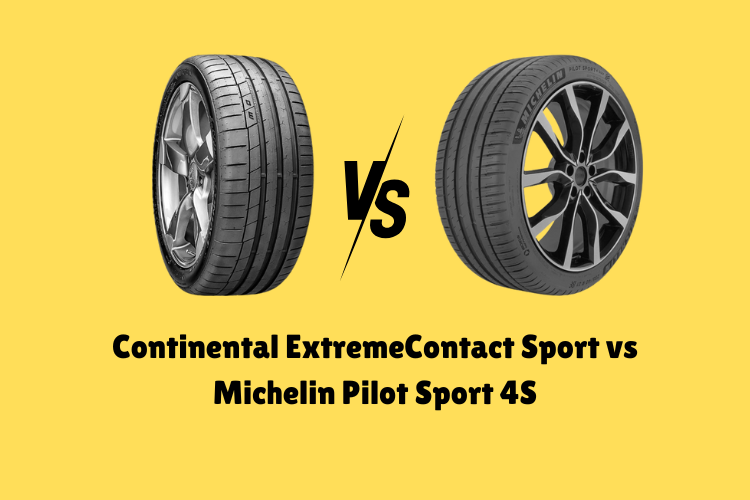
Two of the most talked-about ultra-high-performance summer tires, the Continental ExtremeContact Sport and the Michelin Pilot Sport 4S, often stand toe-to-toe on the track and the street. Each tire promises exceptional grip, sharp handling, and confident control, but their personalities differ in subtle and exciting ways.
Continental’s design targets drivers who crave a more connected and responsive feel through corners, while Michelin focuses on delivering refined precision with balanced comfort and long-lasting tread life.
Both tires command respect among enthusiasts for their performance under pressure, yet their strengths cater to slightly different driving styles. Whether carving through twisty roads or pushing limits on spirited weekend drives, these two legends represent the peak of tire engineering.
The battle between Continental’s raw edge and Michelin’s polished mastery sparks endless debate among performance drivers seeking the perfect blend of thrill and stability.
Continental ExtremeContact Sport vs Michelin Pilot Sport 4S
Performance tires are the bridge between a car’s power and the road. The right set can change how a vehicle feels, brakes, and handles. Two of the most admired tires in this segment are the Continental ExtremeContact Sport and Michelin Pilot Sport 4S.
Both are premium summer performance tires, but they have different personalities and strengths. Let’s explore them in detail from their design and construction to their real-world driving feel.
CONTINENTAL ExtremeContact Sport

Product Details
-
Brand: Continental
-
Size: 205/50ZR17 93W
-
Section Width: 205 mm
-
Load Capacity: 1433 lbs
-
Tread Depth: 10/32”
-
Tread Type: Asymmetrical
-
Rim Width: 6.5 inches
-
Tire Diameter: 25.1 inches
-
Load Index: 93
-
Speed Rating: W
-
Country of Origin: France
-
Fit Type: Universal Fit
This tire sits in Continental’s ultra-high-performance category. It was developed for drivers who want confident control on both dry and wet roads. The ExtremeContact Sport is often fitted to sporty sedans, coupes, and roadsters that demand grip and balance.
Features
The ExtremeContact Sport uses SportPlus Technology, a system that improves handling precision, cornering grip, and tread wear consistency. The asymmetrical tread pattern features large outer shoulder blocks for better dry traction and smaller, closely packed inner grooves for enhanced wet performance.
The silica-infused compound is designed to stay flexible in warm and humid conditions. This helps maintain traction under aggressive cornering or during sudden braking. The tread’s deep circumferential grooves help channel water away to reduce hydroplaning.
Another notable feature is its Alignment Verification System small visual markers that allow drivers to monitor uneven tread wear, making it easier to catch alignment problems early. Few tires in this segment offer that convenience.
What is the Good?
The first thing drivers notice is the wet grip. The ExtremeContact Sport maintains strong contact with the road surface even during heavy rain. It gives a confident and stable feel, which inspires trust at highway speeds.
The ride comfort is also impressive for a tire focused on performance. The compound and tread design absorb smaller road imperfections without producing much vibration. Noise levels stay low even on rougher surfaces, which makes long drives more pleasant.
In terms of handling, the steering response feels quick and connected. Drivers can sense what the front tires are doing, which helps during sharp cornering or lane changes. The tire also maintains a smooth and predictable transition between grip and slide, a trait that performance enthusiasts appreciate.
What is the Bad?
The main drawback lies in tread longevity. The softer compound that helps grip the road also wears faster, especially under hard driving. Enthusiastic drivers may find themselves replacing them sooner than expected.
Cold performance is another weakness. The rubber becomes firm in low temperatures, which reduces traction and control. These tires are not meant for winter use under any circumstances.
In very aggressive cornering, dry grip is strong but not at the same level as Michelin’s Pilot Sport 4S. The Michelin feels slightly more planted in those extreme moments.
Overall Opinion
The Continental ExtremeContact Sport delivers a refined mix of comfort, wet traction, and responsive handling. It feels stable, predictable, and user-friendly.
It’s ideal for drivers who want a sporty tire that performs well in daily use but can still hold its own on spirited drives. While its tread life and ultimate dry grip may not reach Michelin’s level, it wins points for its price, comfort, and versatility.
Michelin Pilot Sport 4S
Product Details
-
Brand: Michelin
-
Size: 265/35ZR18 97(Y) XL
-
Section Width: 265 mm
-
Load Capacity: 1609 lbs
-
Tread Depth: 9.5/32”
-
Tread Type: Asymmetrical
-
Maximum Pressure: 50 PSI
-
Rim Width: 10.5 inches
-
Tire Diameter: 25.3 inches
-
Load Index: 97
-
Speed Rating: Y
-
Performance Class: Street/Track Hybrid
The Michelin Pilot Sport 4S is the result of extensive development from Michelin’s experience in motorsports. It’s an ultra-high-performance tire that delivers near-track-level performance with everyday comfort. It’s commonly found as original equipment on cars like the BMW M3, Porsche 911, and Mercedes-AMG models.
Features
The Pilot Sport 4S uses Bi-Compound Technology, meaning two different rubber compounds are molded into one tread. The outer shoulder uses a dry-optimized compound for cornering and grip, while the inner shoulder focuses on wet traction and braking.
Michelin’s Variable Contact Patch 3.0 spreads pressure evenly across the tread during cornering. This ensures better stability, consistent grip, and longer tread wear. The sidewalls feature Dynamic Response Technology, made from aramid and nylon reinforcement, which helps the tire remain firm and responsive under extreme load and speed.
The asymmetrical tread pattern and carefully tuned grooves help the tire evacuate water efficiently while maintaining large contact areas for maximum road adhesion. The compound also includes high levels of silica and functional elastomers to keep the tire flexible in warm climates and resist premature wear.
What is the Good?
The dry grip is extraordinary. The Michelin Pilot Sport 4S feels like a racing tire that has been tamed for the street. During acceleration, braking, or high-speed turns, the tire holds its line firmly and gives the driver a confident, controlled feel.
Wet performance is equally outstanding. It ranks among the best in braking distance on wet pavement, outperforming most of its competitors. Even under sudden downpours, traction remains solid.
The comfort level is surprising for a high-performance tire. Michelin engineered it to deliver smooth ride quality and quiet operation, which makes it suitable for both sports cars and luxury vehicles. The tire also offers excellent tread life, often lasting longer than typical summer performance tires.
The tire’s steering feedback feels precise and natural. Every small input translates cleanly into movement, which gives an intuitive sense of control on twisty roads or racetracks.
What is the Bad?
The biggest downside is price. The Michelin Pilot Sport 4S sits in the premium tier, often costing significantly more than the Continental.
The tire’s stiff sidewall can make rough roads feel harsher, especially on cars with firm suspension. It’s also not suited for colder climates, as it loses grip quickly below 45°F.
While it performs excellently on both dry and wet surfaces, it’s not designed for snow or ice, limiting its seasonal use.
Overall Opinion
The Michelin Pilot Sport 4S stands as one of the most capable street-performance tires available. It combines race-inspired grip, responsive handling, and surprising comfort.
It performs flawlessly in both dry and wet conditions, and its tread life is among the best in its class. The higher cost is justified by its all-around excellence, making it a top choice for enthusiasts who demand the best balance of control, safety, and precision.
Detailed Comparison for Continental ExtremeContact Sport vs Michelin Pilot Sport 4S
The Continental ExtremeContact Sport and Michelin Pilot Sport 4S both aim for the high-performance summer tire market, but they appeal to slightly different drivers.
The Continental focuses on balance. It offers great wet handling, smooth ride quality, and a quiet driving experience at a more accessible price. It suits drivers who want excitement without sacrificing comfort or affordability. The built-in alignment indicators also make it a practical and smart option for long-term use.
The Michelin, in contrast, is precision-focused. It’s built for enthusiasts who push their cars to the edge. The dry grip is stronger, the steering response is sharper, and the overall control feels tighter. It’s also more durable and consistent in long-term performance, though the ride is slightly firmer.
Both tires perform well in wet conditions, but the Michelin edges ahead in braking distance and stability during quick maneuvers. Continental’s wet handling is still excellent, offering smooth control and confidence.
In pricing, Continental wins with better value, while Michelin justifies its higher cost with advanced construction, stronger sidewalls, and superior performance consistency.
FAQs
1. Which tire is better for wet roads?
Both perform well, but the Michelin Pilot Sport 4S stops shorter in wet braking tests and maintains more grip at high speed in heavy rain.
2. Which tire lasts longer?
The Michelin Pilot Sport 4S generally offers longer tread life due to its advanced compound and even wear design.
3. Is the Continental ExtremeContact Sport quieter?
Yes. The Continental has a softer ride and lower road noise compared to the Michelin, making it slightly more comfortable for daily driving.
4. Can either tire handle snow or cold weather?
No. Both are summer tires and lose flexibility in cold temperatures. They should not be used in winter conditions.
5. Which one is more affordable?
The Continental ExtremeContact Sport is more budget-friendly while still offering great performance for the price.
6. Which one gives better cornering control?
The Michelin Pilot Sport 4S provides sharper and more predictable cornering at higher speeds due to its Bi-Compound design and reinforced sidewalls.
Conclusion
Both the Continental ExtremeContact Sport and Michelin Pilot Sport 4S represent the top tier of performance summer tires, yet they serve slightly different purposes.
The Continental ExtremeContact Sport is perfect for drivers who want balanced performance—excellent wet traction, good comfort, and a price that feels reasonable. It fits daily driving and occasional spirited runs without sacrificing ride quality.
The Michelin Pilot Sport 4S, on the other hand, is built for those who crave perfection in control and grip. Its handling precision, dry braking, and longevity make it the benchmark for performance enthusiasts.
If comfort and cost matter most, go with the Continental ExtremeContact Sport. If performance, precision, and ultimate control are your priorities, the Michelin Pilot Sport 4S remains the clear winner on the track and the street.