When working on cars, choosing between a corded and a cordless impact wrench comes down to power and convenience. Corded impact wrenches deliver steady, high torque, which is crucial for tough jobs like loosening rusted lug nuts or heavy bolts. Cordless models, on the other hand, offer portability and flexibility, allowing users to move freely without being limited by a power cord.
Corded impact wrenches are best for continuous, heavy-duty work, while cordless wrenches work well for lighter tasks and situations away from power sources. Each type fits different needs depending on the job and work environment, so understanding their strengths helps users pick the right tool without guesswork.
Whether working in a garage or out in the field, the right impact wrench can make automotive repairs easier and faster. A clear comparison of features and performance is essential for anyone looking to invest in a reliable power tool.
Key Takeways
- Corded impact wrenches provide consistent power for demanding tasks.
- Cordless impact wrenches offer mobility and ease of use.
- Choosing the right tool depends on job type and working conditions.
Understanding Impact Wrenches
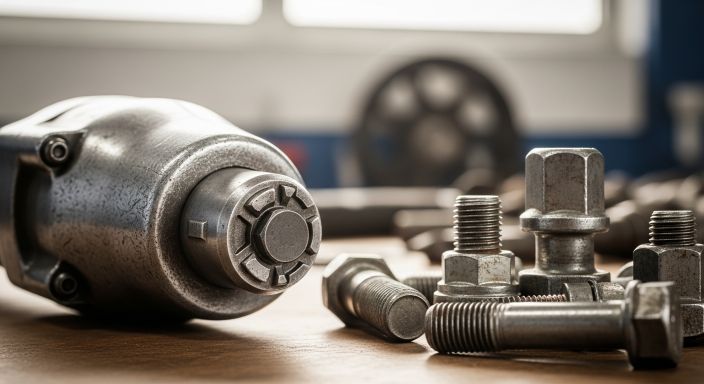
Impact wrenches are essential tools for working on cars, especially for tasks that involve tightening or loosening nuts and bolts quickly. Their power, operation, and variations affect how well they perform on automotive jobs. Knowing these basics can help users choose the right wrench for their needs.
What Is an Impact Wrench?
An impact wrench is a power tool designed to deliver high torque output with minimal effort from the user. It is mainly used to tighten or loosen bolts, nuts, and fasteners, often in automotive repair and construction. The tool looks similar to a drill but is more robust because it combines rotation with strong impacts.
Impact wrenches come in different sizes for various tasks, from small engine work to large equipment maintenance. The tool reduces the strain on the user while providing faster and more consistent results than manual wrenches. It is especially useful for removing stubborn or rusted fasteners.
How Impact Wrenches Work
An impact wrench works by storing energy in a rotating mass and then delivering it suddenly to the output shaft. This creates a strong, short burst of torque, or “impact,” that helps loosen or tighten fasteners without slipping.
Inside the tool, a hammer mechanism builds torque and releases it when needed. This mechanism allows the wrench to apply more force than a standard drill or manual wrench while keeping the tool itself manageable in size.
The impact action also prevents the tool from excessive wear as it does not rely solely on continuous force. This makes impact wrenches more efficient and long-lasting for heavy-duty tasks like changing tires or automotive repair.
Types of Impact Wrenches
Impact wrenches are mainly available in two types: corded and cordless. Corded impact wrenches plug into a power outlet and offer consistent power without worrying about battery life. They are often preferred for extended or demanding tasks because of their steady torque.
Cordless impact wrenches, powered by rechargeable lithium-ion batteries, offer excellent mobility and ease of use in tight or remote spaces. They are lighter and more user-friendly, making them ideal for quick jobs or areas without easy access to power.
Choosing between corded and cordless depends on the specific job requirements, power needs, and convenience. For detailed performance differences, this guide on impact wrenches from Popular Mechanics is useful.
Corded Impact Wrenches for Cars
Corded impact wrenches offer steady power, consistent performance, and strong torque, making them a solid choice for automotive work. They rely on a constant power supply and usually deliver more torque than cordless models. The main trade-offs include limited mobility and the need for access to an outlet.
Power and Torque Output
Corded impact wrenches provide higher torque levels than most cordless models, often ranging between 400 to 500 lb-ft in affordable units. This makes them better suited for tasks like removing stubborn lug nuts or working on heavy-duty vehicles. The constant electricity source ensures the wrench operates at peak power without drops from battery drain.
This power advantage benefits mechanics who need to apply strong, consistent force quickly. Some corded models can handle more demanding jobs than cordless tools at a similar price point, giving users more torque for their budget.
Consistency and Reliability
Since corded wrenches connect directly to power outlets, they maintain steady speed and torque during extended use. This consistency helps users avoid performance drops common in cordless tools when batteries weaken.
They also do not require recharging, allowing continuous work without interruptions. For mechanics working in fixed locations like garages, this adds convenience and ensures reliable operation during long projects.
Corded tools often have simpler electronics and fewer components that could fail compared to cordless models, increasing their overall reliability and lifespan.
Limitations of Corded Designs
The main drawback is reduced mobility. Users must stay near a power source, limiting where the tool can be used. This can be inconvenient in outdoor or remote work settings such as junkyards or roadside repairs.
Also, the power cord can get tangled or cause tripping hazards. It adds weight and bulk, making the tool less easy to maneuver in tight spaces.
Corded wrenches may require an extension cord to reach certain areas, which can reduce voltage and affect performance if the cable is long or of low quality.
Cordless Impact Wrenches for Cars

Cordless impact wrenches offer a blend of power and portability that suits many car maintenance tasks. They free users from cords, making work in tight or remote areas easier. However, their battery life and certain performance aspects affect how well they handle heavy-duty jobs.
Battery Performance and Longevity
Cordless impact wrenches run on rechargeable lithium-ion batteries, which provide steady power without the drop-off common in older battery types. Battery capacity usually ranges from 2.0Ah to 5.0Ah or higher, affecting how long the wrench can work before needing a recharge. Higher amp-hour ratings allow longer use but add weight.
A fully charged battery typically supports moderate tasks like changing tires for about 20 to 40 minutes of continuous use. Quick charging options reduce downtime significantly. For frequent work, having extra batteries is important to avoid interruptions.
Battery life depends on usage: heavy-duty jobs drain power faster. Users can check battery health with smart tools or apps that come with some models. For dependable power, selecting a wrench with a strong battery and good charging system is critical. More on battery advancements can be found at Battery University.
Portability and Convenience
The cordless design allows easy movement around a vehicle without being restricted by a power cord or outlet location. This is especially useful for roadside repairs or garages without nearby electrical sources. Most cordless models are lighter and ergonomic, improving handling during extended use.
Compact sizes help reach tight spots like lug nuts on small cars or deep wheel wells. Many come with LED lights, increasing visibility in dim conditions. Cordless impact wrenches also reduce setup time since there’s no need to plug in or manage a cord.
Users appreciate the ability to quickly switch between different vehicles and tasks without worrying about power sources. This convenience supports workflow efficiency during tire changes, brake work, and other common car repairs.
Cordless Limitations
Cordless models rely on battery charge, which limits continuous use compared to corded wrenches with unlimited power. During extended, intensive jobs, batteries can run out quickly, requiring breaks to recharge or swap batteries.
Cordless wrenches may produce less torque than some corded models, making it harder to loosen extremely tight or rusted bolts. While modern cordless impact wrenches can reach high torque levels, professionals might choose corded options for very heavy-duty work.
Performance can also drop as batteries discharge, reducing speed and torque near the end of a charge. Cold weather affects battery efficiency, leading to faster depletion. For details on battery care in different conditions, visit Energy.gov.
Knowing these limits helps users plan tasks and select tools that fit their specific car maintenance needs.
Direct Comparison: Corded vs Cordless Impact Wrenches
Corded and cordless impact wrenches each have strengths that affect performance, ease of use, safety, and setup. Understanding these differences helps people choose the right tool for car work.
Performance Differences
Corded impact wrenches deliver consistent power because they draw electricity directly from the outlet. This leads to steady torque output, often ranging between 400 and 500 lb-ft, making them better for tough tasks like loosening rusted lug nuts.
Cordless models rely on battery power, which can vary. They usually offer lower torque around 200 to 300 lb-ft in affordable versions. However, their performance is enough for many car repairs and light automotive work.
Battery life affects cordless tools since they need recharging during long jobs. Corded versions do not have this issue but require access to power outlets, limiting where they can be used.
Ease of Use
Cordless impact wrenches are lighter and more portable due to the absence of a power cord. This makes them easier to handle in tight spaces or when moving around the vehicle.
Many cordless models come with carrying cases, aiding storage and transport. Corded wrenches often have a heavier feel because of their power cords, which can get in the way while working.
Cordless tools reduce fatigue over long sessions thanks to better mobility. Corded wrenches may cause some hassle from the cords, especially in cluttered or confined areas.
Safety Considerations
Corded impact wrenches carry risks related to electrical cords. Tripping or snagging a cord can lead to accidents or damage to the tool.
Cordless tools eliminate this hazard by running on batteries, allowing safer movement without cord restrictions.
Battery monitoring is essential for cordless wrenches to prevent the tool from stopping abruptly, which could be unsafe during use.
Users should ensure proper maintenance for both types, such as checking cords for wear and batteries for charge health.
Setup Time and Flexibility
Cordless impact wrenches require upfront charging before use. This means setup can take longer if batteries are not already charged.
Once charged, they offer flexibility to work anywhere without needing a power source. This is useful in outdoor or remote locations.
Corded impact wrenches have no battery to charge, so they are ready when plugged in. But their use depends on the availability of an electrical outlet close enough to reach the work area.
Storing a cord can be cumbersome. Cordless options are easier to store due to the lack of cables and their portability features.
Choosing the Right Impact Wrench for Automotive Work
Selecting the proper impact wrench depends on the type of car repair, the user’s skill level, and the kind of vehicles involved. Considering these factors helps match the tool’s power, usability, and portability to the specific demands of the job.
Key Car Repair Applications
Impact wrenches are used for tasks like tire changes, brake repairs, and suspension work. For jobs needing high torque, such as removing lug nuts on trucks and SUVs, a corded impact wrench often delivers more consistent power. This is important when loosening stubborn bolts without battery drain.
For lighter tasks like changing tires on passenger cars or quick repairs, a cordless model provides more freedom to move around without being tied to an outlet. Cordless wrenches work well for mobile mechanics or smaller garages where power access may be limited.
More info on proper tool use can be found at the Automotive Service Association.
User Experience Levels
Beginners benefit from cordless impact wrenches due to their ease of use and portability. They often have adjustable torque settings, which help prevent over-tightening and damage. Cordless models are lighter and simpler to handle, making them ideal for those learning automotive repair.
Experienced users might prefer corded tools for their steady power and longer run time during extended jobs. They handle heavier tasks without losing torque, which is valuable in professional settings. However, corded wrenches require a workspace near an outlet, reducing flexibility.
Choosing a model with comfortable grips and ergonomic design improves control and reduces fatigue for all skill levels.
Vehicle Type Considerations
The size and type of vehicle affect the wrench choice. Larger vehicles like trucks and SUVs need higher torque, which corded impact wrenches supply without battery limits. Heavy-duty grip strength is necessary to remove large bolts frequently used on these vehicles.
For small to midsize cars, cordless impact wrenches usually offer enough torque, with the added benefit of portability. The ability to work anywhere, such as at a customer’s home or roadside, is a big advantage.
For specialty vehicles or restorations, considering tool size and power ensures the wrench can fit tight spaces and deliver adequate force. Detailed torque specs help make the right choice, and resources like the Consumer Reports tool guide can assist in selecting the ideal model.
Cost Considerations and Maintenance
Cost and upkeep play a big role in choosing between corded and cordless impact wrenches. The initial price and ongoing expenses vary based on the type, along with the care needed to keep each tool running well.
Upfront and Long-Term Costs
Cordless impact wrenches usually cost more upfront. This is because they include batteries and chargers, which add to the price. Over time, the batteries lose their ability to hold a charge. Replacing these batteries can add to the long-term costs.
Corded impact wrenches often have a lower initial price. They do not require batteries, so there is no extra cost for battery replacements. However, they depend on power cords, which can wear out or get damaged. Replacing a cord is usually less expensive than buying new batteries but still adds to maintenance spending.
Typical Maintenance Needs
Cordless wrenches need regular care for their batteries. Keeping batteries charged correctly helps extend how long they last. It’s also important to check for battery wear and replace them when performance drops.
Corded wrenches require less frequent maintenance but need care for their cords. Cords can fray or break, especially when used in busy work areas. Keeping cords untangled and checking for damage can prevent electrical issues and extend the wrench’s life.
Both types need regular cleaning and inspection to remove dirt and keep moving parts working smoothly.
Popular Brands and Models
Several brands lead the market for both corded and cordless impact wrenches used in automotive work. Milwaukee, DeWalt, Makita, and Bosch are often seen as reliable choices. These brands offer a mix of power, durability, and price points.
For corded models, Milwaukee and DeWalt stand out with tools that provide high torque and consistent power. These impact wrenches excel in heavy-duty tasks like lug nut removal on cars. They are designed to maintain power without battery drain, making them ideal for long jobs.
Cordless impact wrenches from Makita and Bosch are popular for their portability and ease of use. The Makita XWT08Z and Bosch GDX18V-1600 are two models frequently noted for their solid battery life and torque. These tools suit technicians who need to move around without being limited by cords.
A simple comparison table shows key features:
| Brand | Model | Type | Torque (ft-lbs) | Weight (lbs) | Notes |
|---|---|---|---|---|---|
| Milwaukee | M18 FUEL | Cordless | 1,000+ | 6 | High torque, good battery life |
| DeWalt | DW292 | Corded | 300+ | 7 | Consistent power, heavy duty |
| Makita | XWT08Z | Cordless | 740 | 5.8 | Portable, lightweight |
| Bosch | GDX18V-1600 | Cordless | 600 | 4.9 | Compact design, versatile |
These models cover a range of user needs and preferences. Professionals often balance power, mobility, and comfort when choosing.
FAQs
What is the main difference between corded and cordless impact wrenches?
Corded impact wrenches get power from an electrical outlet, so they can run continuously without losing strength. Cordless models use batteries, offering more portability but limited run time.
Which type is better for automotive work?
It depends on the job. Corded wrenches often provide higher torque, making them good for tougher tasks. Cordless impact wrenches are easier to move around and work well in places without power outlets.
Are cordless impact wrenches reliable for car repairs?
Yes, many cordless models have enough power for most car repairs. Battery technology has improved, so they can handle demanding tasks like tire changes or rusted bolts, especially on newer models with high torque.
How long do cordless impact wrench batteries last?
Battery life varies by model and task difficulty. On average, a fully charged battery lasts through several tire changes but may need recharging for longer jobs.
Is one type lighter or easier to handle?
Cordless impact wrenches are usually lighter and more manageable since there’s no cord to restrict movement. This can reduce fatigue during extended use.
Can corded wrenches run out of power?
No, as long as they stay plugged in, they keep a steady power supply. This can be important for long jobs requiring consistent torque.
| Feature | Corded Impact Wrench | Cordless Impact Wrench |
|---|---|---|
| Power Supply | Unlimited | Battery |
| Torque Strength | Generally Higher | Variable by model |
| Portability | Limited by Cord | High |
| Weight | Usually Heavier | Usually Lighter |
| Best For | Heavy-duty Work | Mobility and Convenience |
Summary and Final Recommendations
Choosing between corded and cordless impact wrenches for car work depends on several key factors. Corded models offer consistent power and usually higher torque. This makes them suitable for jobs that require strong, continuous force, especially in a fixed workspace with easy access to outlets.
Cordless impact wrenches, on the other hand, provide mobility and ease of use. They are lighter and portable, which helps reduce fatigue during longer tasks or when working in tight or remote areas. Battery life limits the continuous use, but they can be very convenient for quick or on-the-go repairs.
Here is a quick comparison:
| Feature | Corded Impact Wrench | Cordless Impact Wrench |
|---|---|---|
| Power | Higher and consistent | Limited by battery capacity |
| Portability | Less portable, requires outlet | Highly portable, battery powered |
| Weight | Often heavier | Usually lighter |
| Cost | Generally more affordable | Typically more expensive |
| Usage Duration | Unlimited with power source | Limited by battery life |
Those who value steady power for tasks like tightening lug nuts regularly might prefer a corded wrench. For anyone needing freedom to move or work in places without outlets, a cordless wrench is a practical choice.
Personal preference and specific job conditions should guide the decision. Each type has strengths that suit different automotive work environments.