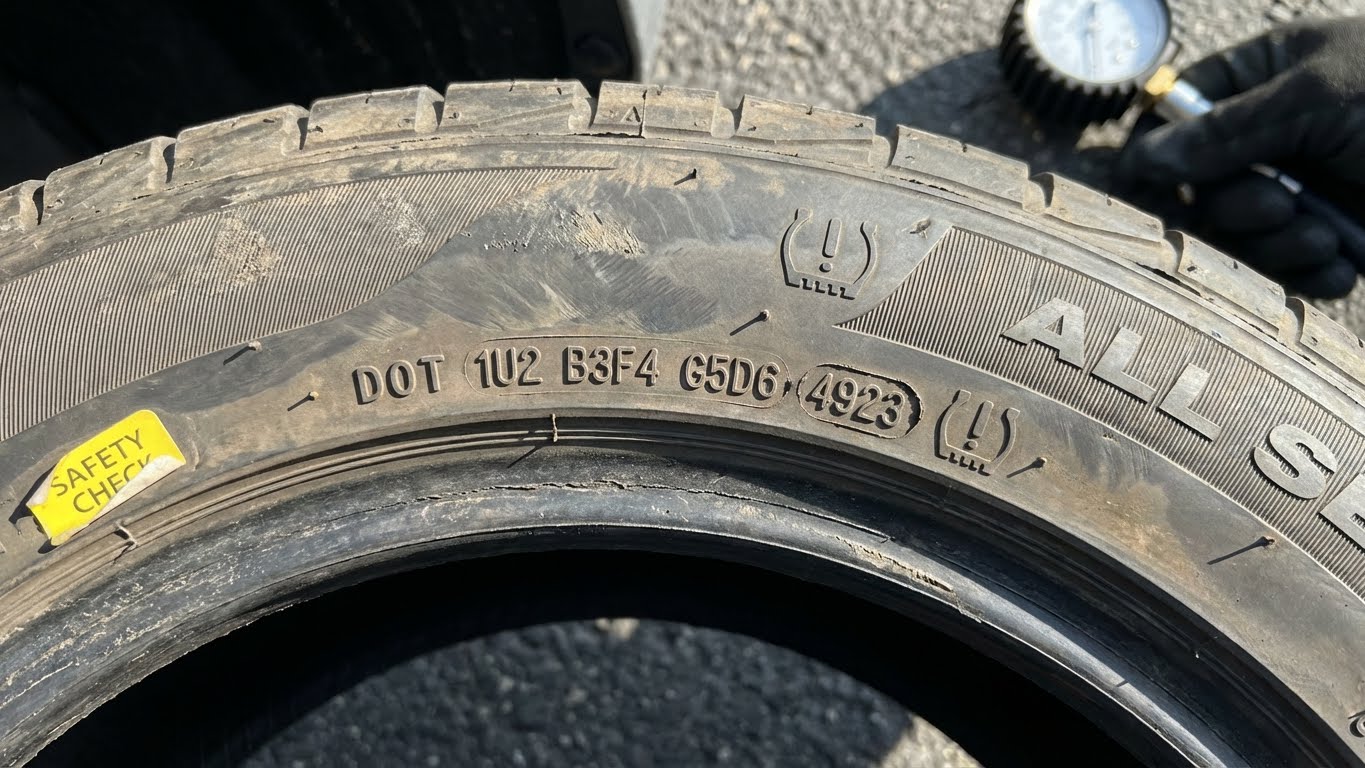
Car tires do have serial numbers, but they are different from the typical serial numbers found on other products. These numbers are often called Tire Identification Numbers (TIN) or DOT codes. They help identify important details like where and when the tire was made, which is useful for safety recalls and maintenance.
These numbers are usually found on the sidewall of the tire, marked with the letters “DOT” followed by a series of letters and numbers. This code shows information like the manufacturer, the plant where the tire was made, the tire size, and the date of production. Knowing how to find and understand these numbers can help keep drivers safe and make sure tires perform well.
Some might confuse these codes as unique to each tire, but they actually represent a production batch rather than a single tire. Still, these identification numbers are vital for tracking tire safety and quality over time.
Key Takeaways
- Tires have identification numbers that show important manufacturing details.
- The numbers are located on the tire sidewall near the rim.
- These codes aid in safety checks and tracking recalls.
Understanding Tire Serial Numbers
Tire serial numbers provide detailed information about a tire’s origin, production, and safety compliance. They help track manufacturing details and play a key role in tire maintenance and recall processes. Understanding what these numbers mean can help drivers make better decisions regarding their tires.
Definition of Tire Serial Numbers
A tire serial number, often called the Tire Identification Number (TIN), is a unique code stamped on the sidewall of a tire. It includes letters and numbers that identify the tire’s manufacturer, the plant where it was made, and other production details.
This serial number also contains the date of manufacture. Typically, the last four digits show the week and year the tire was produced. For example, “2519” means the tire was made in the 25th week of 2019.
Importance of Serial Numbers on Car Tires
Serial numbers help track a tire’s history and safety status. They are crucial for identifying tires involved in recalls. If a defect is found, the serial number allows the manufacturer to notify owners about repairs or replacements.
Besides recalls, these numbers assist drivers and mechanics in maintaining tires correctly. Knowing the tire’s age and origin ensures better decisions about when to replace them and how to care for them to extend their life.
How Serial Numbers Differ from Other Tire Markings
Tire sidewalls contain many markings like size, tread patterns, and load ratings. The serial number, however, is a specific sequence usually following the letters “DOT” on U.S.-made tires.
Unlike general information, the serial number focuses on production data and safety compliance. Other markings tell about tire type or performance, while the serial number tracks manufacturing and recall details. It is often found on the inside sidewall near the rim, especially for tires sold in the United States.
Location and Appearance of Serial Numbers
Car tires have identification numbers printed on them that provide important details about manufacture and safety. These numbers are usually found in specific places on the tire and follow common formats, but some variations exist depending on the tire maker.
Where to Find Serial Numbers on Car Tires

Tire serial numbers, often called DOT numbers, are located on the tire’s sidewall. Specifically, they are near the rim on the inside sidewall, which means it may be easier to see if the tire is rotated or removed from the wheel. The letters “DOT” mark the start of the serial number.
The serial number may not be visible on the outside of the vehicle unless checked carefully. Some tires also have a smaller, partial serial number stamped on the opposite sidewall. This partial number is helpful if there is a recall but often lacks the full date of manufacture.
Typical Formats for Tire Serial Numbers
The serial number begins with “DOT” followed by 8 to 13 characters. These can include letters and numbers. The first part identifies the manufacturer and plant code. The last four digits show the week and year the tire was made.
For example, if the last four digits are “2219,” the tire was manufactured in the 22nd week of 2019. Since 2000, this format has been standardized in the United States to provide clear production dates that help with safety and recalls. More details on tire sidewall codes can be found on sites like NHTSA.
Serial Number Placement Variations by Manufacturer
Not all manufacturers place serial numbers in exactly the same spot. Some put the full DOT number on the inside sidewall, while others also add a partial number on the outside. The position can depend on tire design, size, and brand standards.
Different brands may use slightly different fonts or spacing in the serial number, but all must comply with U.S. Department of Transportation rules. Consumers can check the sidewall markings to confirm details or use resources like Tire Rack for guidance on reading tire codes from various manufacturers.
Decoding Tire Serial Numbers
Tire serial numbers hold a lot of key information. They reveal where and when a tire was made and provide details about the manufacturer. Knowing how to read these numbers helps drivers check for recalls and understand tire maintenance needs.
Elements Included in a Tire Serial Number
A tire serial number, also called the Tire Identification Number (TIN), is found on the sidewall. It starts with the letters “DOT,” which stand for the U.S. Department of Transportation. After “DOT,” there are 8 to 13 letters and numbers.
These characters include:
- The plant code where the tire was made
- Tire size information
- Manufacturer’s unique code
- The week and year of production
The serial number is essential for tracking tires in case of safety issues or recalls. Tires made after 2009 must display the full TIN on the outboard side of the tire.
How to Read the Manufacturing Date
The date of manufacture is included at the end of the serial number. It uses a four-digit code. The first two digits represent the week of the year the tire was made, ranging from 01 to 52. The last two digits show the year.
For example, “2419” means the tire was made in the 24th week of 2019. Knowing this helps drivers check the tire’s age. Tires older than six years may need replacement, even if the tread looks good.
More information about tire age and safety can be found on Goodyear’s guide to tire date codes.
Understanding Manufacturer Codes
Manufacturer codes in the serial number help identify the tire builder and factory location. Each plant has a unique two-character code assigned by the Department of Transportation.
These codes help with quality control and recall notices. The tire maker can also use this information to track production batches. This ensures drivers get accurate information if a defect or safety recall happens.
The codes also confirm the tire’s authenticity, which prevents counterfeit tires from entering the market. The National Highway Traffic Safety Administration (NHTSA) maintains a database with these codes for public use.
Regulations and Standards for Tire Serial Numbers
Tire serial numbers are governed by specific rules and standards designed to ensure safety and traceability. These rules define how serial numbers must appear on tires and how they are used by manufacturers, dealers, and regulators. The codes also provide vital information about a tire’s origin and production date.
Legal Requirements for Serial Numbers
In the United States, tires must include a serial number as part of the Department of Transportation (DOT) requirements. This serial number is part of the Tire Identification Number (TIN) and must be clearly visible on the tire sidewall. The law mandates that tires sold in the U.S. display this number so authorities can track tires involved in recalls or safety investigations.
Dealers and manufacturers are required to keep records of these serial numbers and report them when necessary. This recordkeeping supports product safety by linking tires to their production batches. Failure to comply can result in penalties or product recalls.
Industry Standards and Compliance
The tire industry follows strict standards for serial numbers to maintain quality and safety. These standards govern how the serial number is formatted and how it encodes information such as the manufacturer, plant, and specific tire size. Standards like those from the U.S. DOT ensure consistency across different brands and types of tires.
Compliance with these standards allows regulatory bodies to verify tire quality and origin. It also helps manufacturers manage warranties and track defective tires. Many international standards align with U.S. regulations to ensure global safety and quality oversight.
DOT Codes and Their Relationship to Serial Numbers
The DOT code is the official tire serial number used in the U.S. It starts with the letters “DOT”, followed by a series of up to 13 letters and numbers. These characters reveal several details:
- Manufacturing plant code
- Tire size code
- Manufacturer’s optional code
- Week and year of manufacture (last four digits)
For example, a DOT code ending in 2319 means the tire was made in the 23rd week of 2019. This date information is critical for safety, as tires have a limited lifespan. The DOT code also certifies that the tire meets government safety standards, linking the serial number directly with legal compliance.
Serial Numbers and Tire Safety
Tire serial numbers play a key role in keeping drivers safe and informed. They help with tracking tire recalls, monitoring the tire’s lifespan, and spotting fake or illegal products. These numbers link each tire to its history and manufacturing details for better safety management.
Role in Tire Recalls and Safety Notices
Tire serial numbers are essential for recall management. When a tire batch shows defects or safety risks, manufacturers and regulators use these numbers to identify affected tires. Drivers who have the recalled tires can be notified and take action, such as getting a replacement or repair.
These serial numbers are part of the DOT code on the tire’s sidewall. The code includes manufacturing details that pinpoint when and where the tire was made. This helps ensure only dangerous tires are targeted in safety campaigns without affecting safe tires.
Tracking Tire Lifecycle
Serial numbers help track the entire lifecycle of a tire. They include the date of manufacture, which allows users to know a tire’s age. This is important because tires degrade over time even if they look fine.
Knowing the age helps drivers and mechanics decide when to replace tires, improving vehicle safety. Tire serial numbers also assist in keeping maintenance records, such as rotations and repairs, providing a complete history for each tire.
Identifying Counterfeit or Illegal Tires
Serial numbers also serve as tools to detect counterfeit or illegal tires. Authentic tires have DOT serial numbers that follow strict formatting and registration with manufacturers and authorities.
If a tire lacks a proper serial number or it doesn’t match official records, it could be fake or illegally imported. This matters because counterfeit tires may not meet safety standards, putting drivers at risk on the road. Checking serial numbers is a practical way to verify a tire’s legitimacy.
How to Use Tire Serial Numbers
Tire serial numbers provide detailed information that helps with safety, maintenance, and verification. These numbers reveal the tire’s origin, age, and compliance with safety standards. Drivers can use this data to avoid buying old or fake tires and to keep tires in good condition.
Verifying Tire Authenticity
The tire serial number, also known as the Tire Identification Number (TIN), is a key tool to confirm if a tire is genuine. This number is embossed on the tire’s sidewall and includes codes for the manufacturer and production plant.
By checking the serial number against manufacturer databases or official records, buyers can confirm the tire’s authenticity. This reduces the risk of purchasing counterfeit or substandard tires, which can be unsafe.
Manufacturers often register tires by their serial numbers, so buyers should verify that the serial number matches the information provided by the seller or documentation.
Checking Tire Age Before Purchase
The serial number includes a DOT code that shows the week and year the tire was made. It looks like a four-digit code, for example, 2219, meaning the tire was made in the 22nd week of 2019.
Knowing the tire’s age is important because tires degrade over time, even if unused. Most experts recommend not using tires older than six years, as aging can reduce safety and performance.
Before buying, check this date code to avoid very old tires. This is especially important when buying used tires or tires from unknown sources.
Registering Tires with Serial Numbers
Many tire manufacturers ask buyers to register their tires using the serial number. Registration links the tire to the owner’s contact details and can help track recalls or safety notices.
Registering tires also helps in warranty claims, as manufacturers can verify the tire’s origin and purchase date. Drivers can usually register online by entering the serial number along with purchase information.
This process helps maintain tire safety and ensures that drivers receive important update information from the manufacturer.
Common Issues Related to Serial Numbers
One common issue with tire serial numbers is confusion over their purpose. Many people think the number identifies a single tire, but it actually tracks production batches. This means the number helps manufacturers manage recalls, not trace individual tires.
Locating the serial number can also be tricky. The Tire Identification Number (TIN) is usually on the sidewall and starts with “DOT.” However, on some tires, it may be only partially visible or on the inside sidewall. This often makes it hard for owners to find or read the full number without removing the tire.
Another problem is misunderstanding the codes within the serial number. The sequence includes information about where and when the tire was made. For example, the last four digits often show the week and year of manufacture. Misreading this can lead to using tires that are too old or have been recalled.
Sometimes, tires do not have matching serial numbers on both sides. One side may have a full TIN, while the other only shows a partial number. This is allowed by law but can confuse people trying to verify tire details.
| Issue | Description |
|---|---|
| Confusion of purpose | Serial numbers track batches, not single tires |
| Visibility | Serial numbers may be hard to locate or read |
| Code complexity | Understanding manufacturing codes can be difficult |
| Partial numbers | One side may show a partial instead of a full number |
Owners should carefully check the TIN and consult professionals if unsure about their tires’ serial numbers.