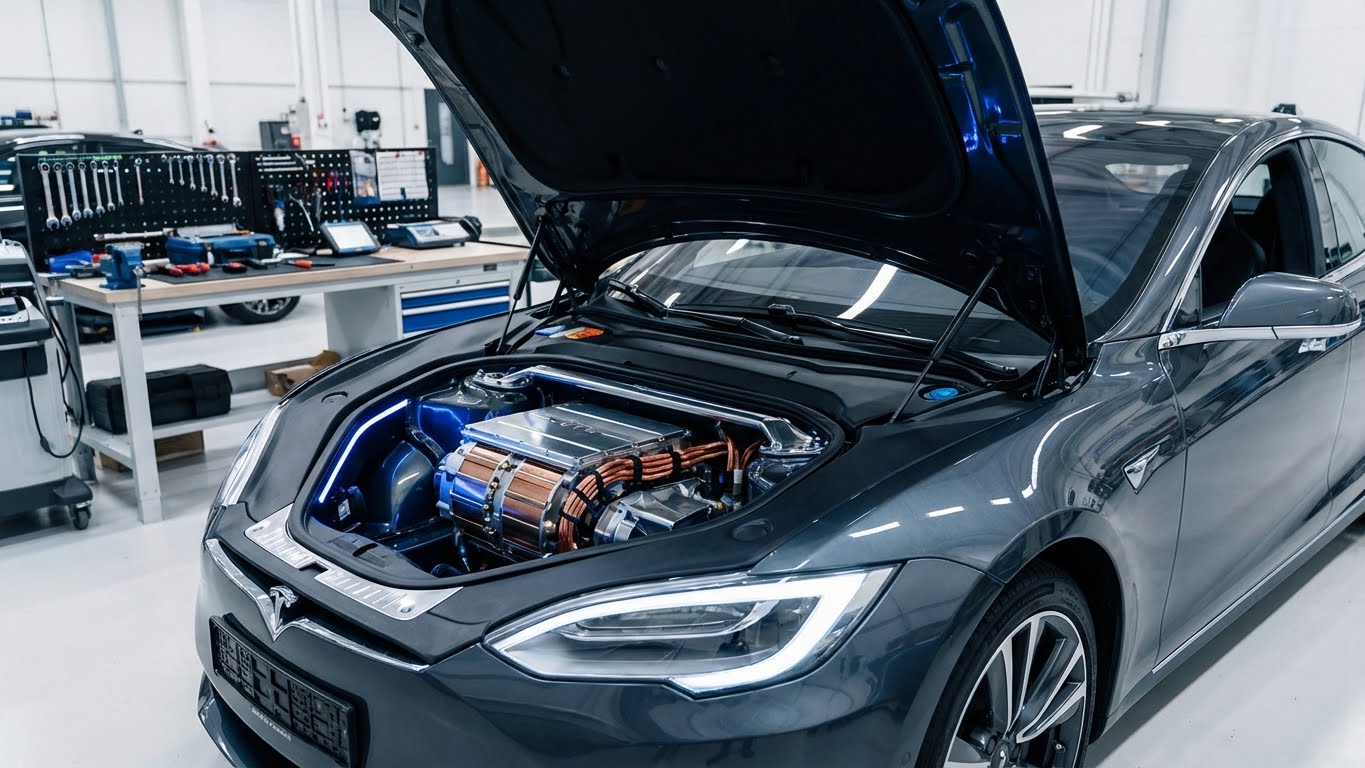
Electric cars do not have oil changes because they do not use motor oil. Unlike traditional gasoline cars, electric vehicles run on electric motors that don’t need the engine oil used for lubrication and cooling in combustion engines. This means electric car owners never have to worry about scheduling or paying for oil changes.
Even though electric cars don’t need oil changes, they still require some maintenance. Drivers should keep an eye on other fluids like brake fluid and coolant, as well as battery health, tire pressure, and software updates to ensure the vehicle runs smoothly over time.
Understanding these differences helps clarify why electric cars generally have lower maintenance costs and fewer service requirements. This can be an important factor for people considering switching from gas-powered cars to electric vehicles.
Key Takeaways
- Electric cars do not need motor oil or oil changes.
- Other fluids and battery checks are still important for EV maintenance.
- Electric vehicles typically require less maintenance, saving time and money.
Do Electric Cars Need Oil Changes?
Electric cars do not require traditional oil changes like gasoline cars. Their engines work differently, so the usual oil that lubricates and cools gas engines is not necessary. However, electric vehicles still need regular maintenance in other areas.
How Electric Vehicles Differ from Gasoline Cars

Gasoline cars use internal combustion engines (ICE) with many moving parts. These parts create friction and heat, needing motor oil to keep them running smoothly. The oil cools the engine and prevents damage by lubricating components.
Electric vehicles (EVs) use electric motors that have fewer moving parts. These motors generate less heat and friction. Because of this, they don’t need motor oil to protect the engine. The EV’s simpler design means less regular maintenance is needed compared to gasoline cars.
Why Oil Changes Are Not Required for EVs
Oil changes serve to replace used-up oil that loses its ability to lubricate. Gas engines rely on this to stay healthy. EVs, on the other hand, lack an engine with pistons or similar parts that need oil.
Electric motors run with electromagnetic forces instead of combustion. This process doesn’t produce the same heat or wear that requires oil. So, EV owners do not have to schedule oil changes or worry about oil levels.
Electric Car Lubrication Needs Explained
While electric cars don’t use motor oil, some parts still require lubrication. Components like the gearbox and bearings need grease to reduce friction. This lubrication lasts much longer and doesn’t require frequent changes.
EVs also need maintenance for brake fluid, coolant for their battery systems, and regular checks on tire pressure. Software updates are important to keep the car running efficiently as well.
Key maintenance items for EVs:
| Item | Purpose | Maintenance Frequency |
|---|---|---|
| Brake Fluid | Ensures proper brake function | Check annually |
| Coolant | Cools battery and motor | Check as per manufacturer’s guide |
| Gearbox Grease | Lubricates small moving parts | Usually lasts long term |
| Tires | Safety and efficiency | Rotate regularly |
Engine Differences: Electric Versus Internal Combustion
Electric vehicles (EVs) and internal combustion engine (ICE) vehicles have very different engine designs. These differences explain why electric cars do not require oil changes. The following details cover key contrasts in engine oil use, design, and how this affects regular maintenance.
Absence of Engine Oil in Electric Vehicles
Electric vehicles do not have engine oil like ICE vehicles. This is because EVs use electric motors instead of combustion engines. Combustion engines need oil to lubricate moving parts, reduce friction, and cool the engine. Without oil, these engines would wear out quickly.
Electric motors rely on electromagnetic forces to create movement and have fewer moving parts. They do not require oil for lubrication or cooling. Instead, some EV components use cooling systems involving liquid or air, but these fluids are different from engine oil. This absence of oil eliminates the need for regular oil checks or oil changes in electric cars.
Design and Functional Distinctions
The design of electric motors is simpler and more efficient than combustion engines. An ICE has many parts, including pistons, valves, a crankshaft, and a complex lubrication system. These need oil to work properly and last longer.
Electric motors have fewer mechanical pieces. The key elements are a rotor, stator, and bearings. Since they do not burn fuel inside an engine, they don’t produce the same heat or waste products needing oil-based lubrication.
This fundamental difference also affects the noise, vibration, and overall wear on the vehicle’s engine. Electric motors are quieter and generally more durable due to reduced mechanical stress.
Impact on Routine Maintenance
Because electric cars do not need oil changes, their routine maintenance differs significantly from that of combustion vehicles. EV owners save time and money by avoiding oil-related services.
Maintenance for electric motors focuses more on battery health, cooling systems, brakes, and electronics. For example, regenerative braking reduces wear on brake pads. Cooling fluids might need occasional checks but are replaced much less often than engine oil.
In contrast, an ICE vehicle needs regular oil changes, oil filter replacements, and checks for leaks. These services are crucial to prevent engine damage and keep the car running smoothly. Electric vehicle maintenance is simpler and often less expensive over time.
Other Fluids Electric Cars May Require
Electric cars do not need traditional oil changes, but they still use several important fluids. These fluids help keep parts like the transmission, cooling system, and brakes working well. Regular checks and changes are necessary to maintain performance and safety.
Transmission and Gearbox Lubricants
While electric vehicles often have simpler transmissions, some models include a gearbox or reduction gear system. These parts use special lubricants or grease to reduce friction and wear.
Unlike engine oil in gas cars, these lubricants usually last much longer, often the vehicle’s entire life. However, some manufacturers recommend checking or replacing the transmission fluid during scheduled services.
Proper lubrication is important to prevent damage and ensure smooth power delivery. Neglecting this could lead to costly repairs or reduced efficiency.
Coolant and Thermal Management Systems
Electric cars use coolant fluids to manage heat for the battery, electric motor, and power electronics. These components generate heat during operation and need to stay within safe temperature limits.
Coolant prevents overheating, which protects the battery and other critical parts. This fluid is similar to antifreeze used in gas vehicles but may have specific properties for EV components.
Checking and replacing coolant at intervals suggested by the manufacturer ensures the thermal system works well. Failing to maintain coolant levels or quality can reduce battery life and cause performance issues.
Brake Fluid Considerations
Electric cars use conventional hydraulic brake systems, so brake fluid still needs attention. Brake fluid transfers force from the brake pedal to the brakes themselves.
Over time, brake fluid can absorb moisture, which lowers its effectiveness and can cause corrosion inside the brake system. This can lead to brake failure if ignored.
Regular brake fluid checks and changes are important for safety. Most electric vehicles recommend brake fluid replacement every 2 to 3 years, depending on use and climate. This maintenance helps keep the brakes reliable and responsive.
Long-Term Maintenance for Electric Vehicles
Electric vehicles (EVs) require less frequent maintenance than gasoline cars but still need regular checks to keep them running smoothly. Key areas include scheduled services, battery care, and the condition of moving parts like brakes and tires.
Recommended Service Intervals
EVs do not need oil changes, but they should still follow a service schedule. Most manufacturers suggest check-ups every 10,000 to 15,000 miles. These visits often include tire rotation, brake inspections, and fluid level checks, such as coolant and brake fluid.
Software updates are also important during these intervals to improve performance and fix bugs. Some parts, like air filters for the cabin, may need replacing every 20,000 miles. Sticking to the recommended schedule ensures the vehicle runs efficiently and helps catch issues early.
Battery System Care
The battery is the most critical and expensive part of an EV. Regular battery monitoring helps maintain its health and prolong its life. Most EVs have built-in systems that track battery performance and alert owners if there are problems.
EV owners should avoid extreme charging habits—such as charging to 100% daily or letting the battery drain fully often—because these can reduce battery life. Temperatures also affect batteries, so storing the car in moderate conditions when possible is beneficial.
Scheduled coolant checks and replacements help regulate battery temperature. Proper battery care ensures reliable driving range and avoids costly replacements.
Wear and Tear on Moving Parts
Even though EVs lack internal combustion engines, some parts still wear out over time. Brakes last longer because EVs use regenerative braking, which reduces friction, but brake fluid still needs occasional replacement.
Tires wear out as they do on any vehicle and require regular pressure checks to avoid uneven wear and improve efficiency. Suspension and steering components should be inspected periodically, especially if the car is driven on rough roads.
Maintenance on moving parts is generally less frequent but remains essential to avoid unexpected repairs and maintain safety.
Environmental Advantages of Eliminating Oil Changes
Electric cars do not require motor oil or oil changes. This shift reduces the environmental problems caused by used oil and decreases emissions linked to vehicle maintenance. It also helps conserve natural resources by cutting down oil extraction and refining.
Reduced Waste Oil Disposal
Used motor oil from traditional cars is a major environmental concern. It can contaminate water and soil if not disposed of properly. Electric cars do not generate this waste because they do not use engine oil.
By eliminating oil changes, fewer used oil containers and filters need to be handled or recycled. This reduces the risk of spills and pollution during oil changes. Managing less hazardous waste lowers the burden on waste treatment facilities and helps protect ecosystems from harmful chemicals.
Lower Emissions from Maintenance
Oil changes require energy and materials that contribute to greenhouse gas emissions. These include the production, transportation, and refining of oil. Traditional car maintenance involves frequent trips to service centers, adding to emissions from driving.
Electric cars require fewer service visits related to oil changes. This lowers the emissions linked to vehicle maintenance and oil production processes. By cutting down these indirect emissions, electric vehicles reduce their overall environmental footprint beyond just tailpipe emissions.
Resource Conservation Benefits
Extracting and refining crude oil consumes significant natural resources like water and energy. Reducing the demand for motor oil lowers the need for these processes.
Electric cars help conserve these resources by not requiring oil lubrication. This means less crude oil is extracted, preserving finite reserves. It also reduces energy use associated with oil refining, supporting efforts to manage Earth’s resources more sustainably over time.
Cost Savings from Reduced Maintenance
Electric cars save money by cutting down on the usual services gas cars need. They avoid many parts that need frequent fixing or replacing, which lowers costs. These savings can add up over years of driving.
Lower Regular Service Costs
Electric vehicles do not require oil changes, a major regular cost for gas cars. They also have fewer fluids to replace, such as coolant and brake fluid, reducing routine service expenses. Parts like spark plugs and timing belts are absent in EVs, so related repairs do not happen.
Brake wear is lower in electric cars because of regenerative braking, which extends brake life and cuts replacement costs. Tire maintenance stays similar to gas vehicles but is often the only routine care that matches traditional cars in frequency and cost. Overall, electric cars need fewer hands-on services from mechanics.
Potential Savings Over Vehicle Lifetime
Over about five years, an electric car owner can save more than $4,000 in maintenance compared to a gas car. These savings come mostly from not needing oil changes and fewer mechanical repairs.
Fewer moving parts mean fewer breakdowns and less chance for costly repairs. Software updates, which are common in EVs, are usually cheaper and simpler than fixing hardware problems. These reduced costs free up money for other uses and make EV ownership more affordable over time.
Conclusion
Electric cars do not require oil changes. They use electric motors instead of traditional engines, so they don’t have motor oil that needs replacing. This reduces the need for regular oil maintenance, saving time and money.
However, electric vehicles still need other types of care. Owners should monitor brake fluid, coolant, tire pressure, and windshield wiper fluid levels. Battery health and software updates also play important roles in keeping the car running well.
Key maintenance tasks for electric cars:
- Brake fluid checks
- Coolant level inspection
- Tire rotations and pressure monitoring
- Battery health monitoring
- Software updates
These tasks help keep an electric car safe and efficient. Though oil changes are unnecessary, maintenance remains essential for longevity.
Electric cars simplify some aspects of vehicle care while requiring attention to new areas. This shift in maintenance reflects their different design and technology compared to gas-powered cars.