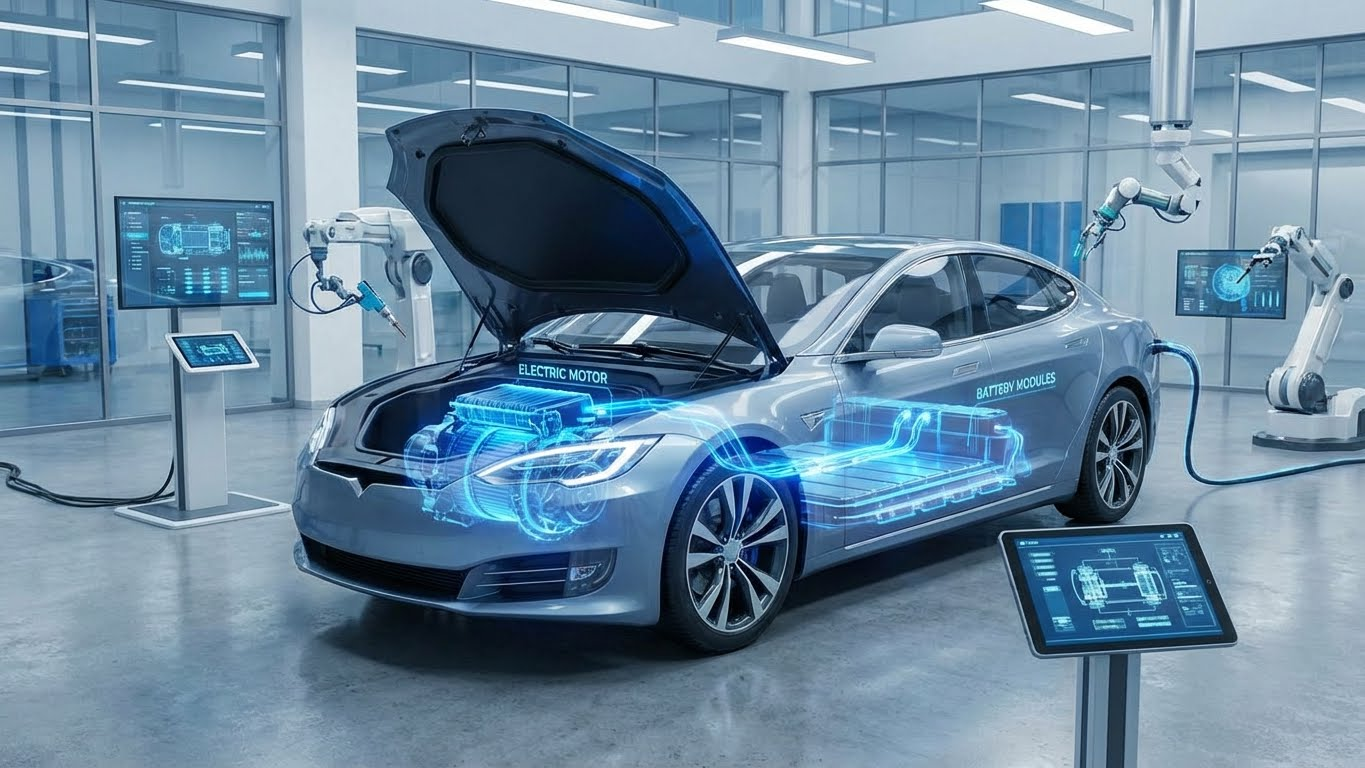
Electric cars run differently from gas-powered cars, so they don’t need oil changes like traditional vehicles do. Electric vehicles do not require motor oil or regular oil changes because their engines don’t rely on internal combustion. This key difference means owners can skip a common and often costly part of car maintenance.
While electric cars don’t need oil, they still require upkeep to stay in good shape. Tasks like checking brake fluid, coolant, and tire rotation remain important. Understanding these simple maintenance needs can help new electric car owners keep their vehicles running smoothly without confusion.
Key Takeaways
- Electric cars do not need motor oil or oil changes.
- Regular maintenance still includes fluids and tire care.
- Electric vehicles tend to have lower ongoing maintenance costs.
Do Electric Cars Need Oil Changes?
Electric cars operate differently from traditional gasoline vehicles, which changes their maintenance needs. They do not require oil changes because their engines work in a distinct way. However, they still need some maintenance, including checking specific fluids to keep everything running smoothly.
How Electric Vehicles Differ From Gasoline Cars

Electric vehicles (EVs) use electric motors powered by batteries instead of internal combustion engines (ICEs). Unlike gasoline engines, these motors have far fewer moving parts. This simplicity means EVs produce less heat and experience less mechanical wear, which significantly lowers maintenance requirements.
Gasoline cars rely on engine oil to reduce friction and wear among many moving parts. EVs, by contrast, do not have pistons, valves, or similar components, so they do not depend on oil for engine lubrication. This fundamental difference means EV owners do not need to schedule regular oil changes, saving both time and money.
Why No Engine Oil Is Required for EVs
Engine oil helps traditional engines by cooling parts and preventing metal-to-metal contact. Since EV motors generate less heat and have fewer moving parts, they don’t need oil for lubrication or cooling. This eliminates sludge buildup, oil degradation, and oil leaks, which are common concerns for gasoline vehicles.
That said, some electric cars with range extenders or hybrid systems may still have small engines that require oil changes. Most pure electric models, however, are free from this need entirely. For more detailed maintenance info, sites like the U.S. Department of Energy offer reliable EV resources.
Fluids That Electric Cars Still Need
Even though EVs don’t require engine oil, they still use other essential fluids. These include coolant for the battery and electric motor, brake fluid for hydraulic brakes, and windshield washer fluid. Maintaining these fluids helps prevent overheating and keeps all systems safe.
Battery coolant is especially important because it stops the battery from getting too hot during charging or driving. Brake fluid should be checked regularly as regenerative braking decreases wear but doesn’t eliminate brake maintenance. Regular fluid checks and replacements keep the electric vehicle running efficiently and safely.
For more advice on EV maintenance beyond oil changes, the Electric Vehicle Association website provides useful guides for new owners.
Electric Vehicle Maintenance Requirements
Electric vehicles (EVs) require different care compared to gasoline cars. Instead of oil changes, owners focus on systems like the motor, battery, brakes, and cooling. Proper maintenance keeps these parts efficient and extends the vehicle’s lifespan.
Motor and Battery Care
Electric motors in EVs don’t need oil changes because they use electric power instead of combustion. Still, electric motors should be checked regularly for wear and electrical connections to ensure smooth operation.
Battery maintenance is crucial. Batteries should be monitored for charge cycles, temperature, and health using built-in software systems. Avoiding extreme temperatures and frequent fast charging can extend battery life. Most EV manufacturers provide recommended schedules for battery inspections and software updates. Battery coolant levels may also need periodic checks.
Drivers can learn more about EV battery care from sources like the U.S. Department of Energy, which offers detailed guidance on proper practices.
Brake System Maintenance
EVs use regenerative braking, which helps recharge the battery and reduces wear on brake pads. This means brake pads and rotors last longer than in gas cars.
However, brakes still need regular checks to ensure they function correctly and replace worn components when necessary. Brake fluid should be replaced based on the vehicle’s service schedule, as old fluid can affect braking performance.
Routine brake inspections should include checking sensors linked to the regenerative braking system. Maintaining brakes is essential for safety and optimal EV performance.
Coolant and Thermal Management Systems
EVs use coolant to regulate temperature for the battery and motor. Maintaining proper coolant levels prevents overheating and improves efficiency.
Coolant fluid needs to be checked and replaced as recommended by the manufacturer. Some EVs use dedicated thermal management systems that monitor temperatures closely and adjust cooling as needed.
Keeping these systems in good condition supports battery health and motor performance, reducing the risk of damage due to heat. Owners should consult the vehicle manual for specific coolant types and service intervals.
Fluids In Electric Cars
Electric cars do not use oil like gas cars, but they still rely on several important fluids. These liquids help keep systems cool, lubricated, and functioning properly. Knowing which fluids are involved helps drivers stay on top of maintenance without unnecessary work.
Types of Fluids Used in EVs
Electric vehicles require fluids for cooling, braking, and cleaning. Coolant is essential for regulating battery temperature and preventing overheating. It circulates through the battery system and electronics to maintain optimal performance. Brake fluid keeps the braking system responsive, as EVs still use hydraulic brakes like conventional cars. Windshield wiper fluid is needed for clear visibility.
Maintaining these fluids follows recommended schedules specified by manufacturers. Checking coolant levels and brake fluid regularly can prevent costly damage and safety issues. More detailed guidelines can be found on sites like the U.S. Department of Energy’s EV page.
Transmission and Gearbox Lubricants
Though electric cars don’t have traditional transmissions, some use a simple gearbox to transfer power from the electric motor to the wheels. This gearbox needs specialized lubrication to reduce friction and wear. The fluid used is usually a synthetic lubricant designed to last longer than typical motor oil.
This lubricant requires periodic inspection and replacement based on mileage or time. Unlike oil changes in gas cars, gearbox fluid changes are infrequent but crucial for smooth operation. Keeping this fluid in good condition helps reduce repair costs and extends the EV’s driveline life.
Comparing Maintenance Costs: Electric Vs. Gasoline Cars
Electric cars have fewer parts that need regular service, which changes how often they need maintenance compared to gasoline cars. This difference affects both the maintenance schedule and the overall cost of ownership over time.
Maintenance Schedule Differences
Electric cars do not need oil changes because they lack an internal combustion engine. Their maintenance mainly involves checking the battery, electric motor, brakes, and software updates. Brake wear is also lower due to regenerative braking systems, which use the electric motor to slow the car.
Gasoline cars require oil changes every 8,000 to 10,000 kilometers. They also need regular checks and replacements of parts like spark plugs, air filters, and transmission fluid. These tasks happen more frequently because the engine has many moving parts that wear out or need fluid replacements.
Estimated Cost Savings Over Time
Over 100,000 kilometers, maintenance costs for electric vehicles are typically lower. Gasoline cars may require 10 to 12 oil changes in this range, costing roughly $700 to $840 on oil changes alone. Additional expenses come from engine tune-ups and replacing filters.
Electric cars avoid these costs, reducing spending on fluids and parts that wear out faster in gasoline cars. However, some EV owners may pay for battery maintenance or replacement after several years, which can be costly but less frequent. Overall, the savings in routine maintenance make electric cars cheaper to maintain long-term.
Environmental Benefits of Reduced Oil Usage
Electric cars do not need traditional engine oil changes. This means they avoid the regular use and disposal of motor oil, which helps reduce oil waste. Less oil waste means fewer chances of environmental pollution from oil spills or improper disposal.
Regular oil changes in gas cars create used oil that can harm water and soil if not handled correctly. Electric vehicles cut down on this risk by having no engine oil to replace. This benefits ecosystems by preventing harmful chemicals from entering natural habitats.
Electric cars also have simpler mechanical parts. Fewer moving parts mean less need for lubricants overall, which reduces the demand for oil-based products beyond just engine oil. This helps conserve natural resources and lowers the impact on oil extraction.
Charging electric cars with renewable energy further decreases their carbon footprint. When combined with the lack of oil use, electric vehicles contribute to better air quality and lower greenhouse gas emissions.
Key environmental benefits of reduced oil usage in electric cars:
| Benefit | Explanation |
|---|---|
| Less oil waste | Eliminates used engine oil disposal risks |
| Reduced pollution | Prevents soil and water contamination |
| Lower resource demand | Fewer lubricants needed overall |
| Improved air quality | No tailpipe emissions, supports clean energy |
Reducing dependence on engine oil supports a cleaner and more sustainable transportation future.
Transition Tips for First-Time Electric Car Owners
First-time electric car owners need to adjust to a new type of vehicle care and learn where to go for proper service. Understanding the key differences in maintenance and knowing how to find reliable support can make the transition smoother and safer.
Adapting to EV Maintenance
Electric cars do not need oil changes, but they require attention to other areas. Owners should regularly check battery health, brake fluid, coolant levels, tire pressure, and keep software up to date. These tasks help maintain the car’s performance and safety.
Routine checks are simpler and less frequent compared to gas vehicles. For example, battery systems need occasional inspections rather than daily care. The regenerative braking system reduces wear on brake pads, extending their lifespan.
Owners should keep a maintenance schedule specific to electric cars. This schedule differs from traditional vehicles but is key to avoiding unexpected issues. Understanding these differences helps first-time owners feel confident in caring for their EV.
Finding Qualified Service Centers
Many traditional auto shops are not equipped to service electric cars. First-time EV owners should seek service centers trained and certified for electric vehicles. These centers have the right tools and knowledge to handle battery systems and electric motors safely.
Dealerships that sell electric cars typically offer specialized service departments. These are the safest options for complex repairs or recalls. Some independent shops are also joining EV programs after training.
Before choosing a service center, owners should verify certifications and read reviews from other EV drivers. Proper servicing not only preserves vehicle life but also helps maintain warranty coverage. Prioritizing qualified centers ensures professional care tailored to electric cars.
Common Misconceptions About Electric Vehicle Maintenance
Many people believe electric vehicles (EVs) require no maintenance. This is not true. While EVs have fewer moving parts than gas cars, they still need regular care.
One common myth is that EVs need oil changes. Unlike traditional cars, electric motors do not use engine oil. This means no oil changes are necessary, which saves time and money.
Some assume EVs are maintenance-free, but they still need attention to other parts. For example, brake fluid, coolant, and tire checks are important. Brakes often last longer in EVs due to regenerative braking, but they still wear over time.
Another misconception is that EV batteries require constant, costly service. While battery health should be monitored, modern batteries are designed to last many years without major repairs.
The belief that software updates are optional is also wrong. EVs often receive updates to improve performance and fix issues, so keeping software current is part of routine maintenance.
| Common Myths | Reality |
|---|---|
| EVs need oil changes | EVs do not use engine oil |
| EVs require no service | They need brake fluid, coolant checks |
| EV batteries need frequent fixes | Batteries last long with care |
| Software updates are optional | Updates improve and protect EVs |
Understanding these facts helps EV owners keep their vehicles running well without unnecessary work or expense.
FAQs
Do electric cars need oil changes?
No, electric cars do not need oil changes. They use electric motors that do not require engine oil like traditional gas vehicles. This means no oil to replace or check regularly.
What kind of maintenance do electric cars need?
Electric cars still need some care, such as tire pressure checks, brake fluid changes, and battery maintenance. Software updates and coolant level checks for the battery system are also important.
Why don’t electric cars need oil changes?
Electric motors have fewer moving parts and generate less heat than engines with combustion. Oil in gas engines helps with cooling and lubrication, but this is not needed in electric motors.
Are electric cars cheaper to maintain?
Generally, yes. Without the need for oil changes and fewer wearing parts, maintenance tends to cost less. However, battery care and software updates are unique costs to consider.
Do electric cars have fluids that need checking?
Yes. While engine oil is not required, electric cars use fluids like brake fluid and coolant for battery temperature control. These fluids still require regular checks.
| Maintenance Item | Required for Electric Cars? |
|---|---|
| Oil changes | No |
| Battery checks | Yes |
| Brake fluid | Yes |
| Tire pressure | Yes |
| Software updates | Yes |
Conclusion
Electric cars do not need oil changes. They use electric motors instead of internal combustion engines, so there is no motor oil to change.
However, this does not mean electric vehicles have no maintenance needs. They require regular care for other parts, such as brake pads, tires, and batteries.
Some key maintenance tasks include:
- Tire rotation and balancing
- Brake system checks and fluid replacement
- Battery condition monitoring and cooling system maintenance
- Software updates for optimal performance
This simpler maintenance routine often costs less and takes less time than traditional car maintenance.
Owners should still follow manufacturer guidelines to keep their electric car running well. Proper care helps extend the vehicle’s life and ensures safety.
In short, while oil changes are unnecessary, ongoing maintenance remains essential for electric vehicles.