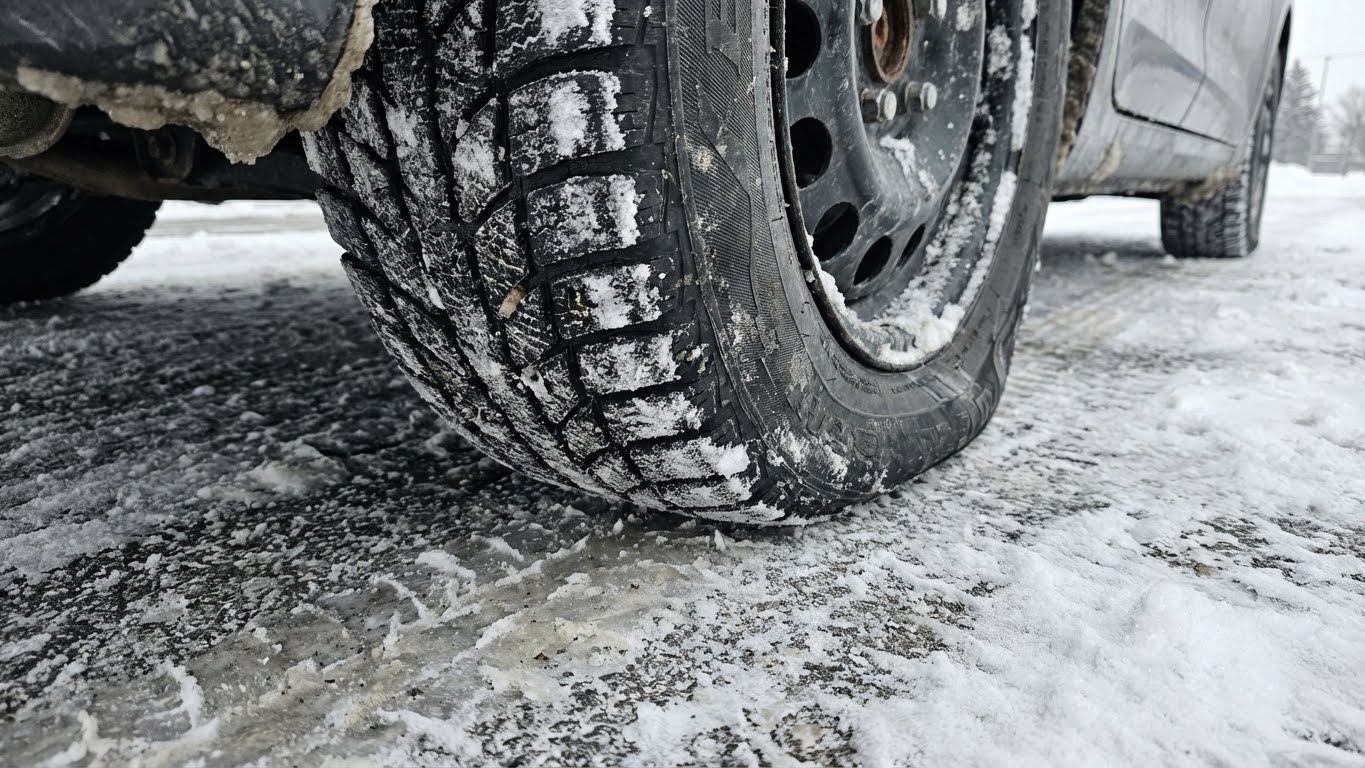
Car tires do deflate in winter, but not because of a puncture or damage. Cold temperatures cause the air inside tires to contract, which lowers the tire pressure naturally. This is a result of basic physics and happens every year when the weather gets colder.
Many drivers notice their tire pressure warning lights come on during cold mornings without hitting anything sharp. This drop in pressure happens because cold air is denser, and tires lose some of the air pressure they had in warmer conditions. It’s a common issue that can affect driving safety and tire wear.
Knowing why tires lose pressure in winter helps drivers take the right steps to keep their tires properly inflated. Regular checks and adjusting tire pressure as needed can prevent problems while helping maintain control and fuel efficiency during the cold months.
Key Takeaways
- Cold temperatures cause tire pressure to drop naturally in winter.
- Low tire pressure affects safety, tire life, and fuel efficiency.
- Regularly checking and inflating tires helps maintain proper pressure.
Why Car Tires Lose Pressure in Winter
Tire pressure drops during winter mainly because cold air causes changes inside the tire. This leads to lower pressure even when there is no leak. The way air behaves in cold weather and how this affects tire performance are key to understanding this common issue.
Impact of Cold Temperatures on Tire Air Pressure
Tire pressure falls as temperatures drop. For every 10°F (about 5.6°C) decrease, tire pressure typically drops by about 1 PSI. For example, if tires are set to 35 PSI at 70°F, they can lose around 5 PSI when the temperature falls to 20°F overnight.
This pressure loss is normal and happens before driving starts. Cold weather tightens the air inside tires, making them feel flatter. Drivers should check tire pressure more often in winter to keep it within safe limits.
Physics of Air Molecule Contraction

Air pressure decreases because cold temperatures slow down air molecules, causing them to take up less space. When the air contracts, it creates a lower force pushing against the tire walls, reducing pressure.
This process follows the gas laws in physics where volume and temperature affect pressure. It is not caused by air escaping, but by air molecules moving less actively. That explains why tires can seem underinflated on cold mornings even if there is no puncture or leak.
Seasonal Changes and Tire Performance
Winter weather changes how tires perform beyond pressure drops. Colder temperatures make rubber harder, which affects grip and braking. Some drivers switch to winter tires because their softer rubber stays flexible and holds pressure better in cold.
Additionally, tire pressure recommendations often rise by 2-3 PSI during winter. This helps counteract pressure loss and keeps tires within the proper inflation range to ensure safe handling and fuel efficiency.
Common Signs of Winter Tire Deflation
Tire pressure often drops in cold weather, and drivers can notice this through various signs. Some are visible changes in the tire’s shape, warning lights on the dashboard, or differences in how the car drives. Recognizing these signs early helps keep the vehicle safe and running smoothly.
Visible Flattening or Sagging
When tire pressure falls, the tire can look visibly flat or sagging at the bottom. This happens because less air inside the tire means less support for the car’s weight. The tire sidewalls may bulge outward or the tire may appear squished against the ground.
Checking tires by eye can sometimes catch this problem before it gets worse. However, a tire that looks only slightly flat still needs a pressure check with a gauge. Ignoring visible flattening can lead to faster tire wear and potential damage.
Dashboard Warning Lights
Most modern cars have a Tire Pressure Monitoring System (TPMS) that alerts drivers if tire pressure drops below safe levels. When a tire deflates in winter, this dashboard light often comes on quickly.
The warning light usually looks like an exclamation mark inside a flat tire symbol. When it appears, the driver should stop and check the tires immediately. The light helps prevent driving on underinflated tires, which can cause poor fuel economy and unsafe handling.
Changes in Vehicle Handling
Low tire pressure affects how a car drives. The steering may feel less responsive or heavier, making it harder to turn. The car might also pull to one side if only one tire is low.
Braking distances can increase since the tires have less grip on the road. Drivers may also feel more vibration through the steering wheel or hear unusual sounds from the tires. These handling changes are subtle at first but become more noticeable as tire pressure drops further.
Typical Rates of Tire Pressure Loss in Cold Weather
Tire pressure in winter drops steadily as temperatures fall. This decline happens at a measurable rate that drivers need to monitor closely. Understanding how fast pressure falls and how much pressure typically decreases per degree helps keep tires safe and effective on cold days.
How Quickly Pressure Drops in Winter
Tire pressure can drop suddenly when cold weather strikes. Overnight lows or early morning temperatures often cause the greatest losses. For example, a tire inflated to 35 PSI at 70°F might fall to about 30 PSI after a cold night near 20°F.
Drivers might notice a loss of 1-2 PSI within hours during sharp temperature drops. This quick decline means checking tire pressure early in cold mornings is important. Natural air seepage still happens too, but cold temperature speeds up pressure loss significantly.
Regular checks prevent risks like reduced traction or uneven tire wear. Using a reliable tire pressure gauge will help maintain the correct pressure despite frequent winter day-to-day changes. The NHTSA suggests keeping tires properly inflated for safety and better fuel efficiency.
Average Pressure Loss Per Degree of Temperature Drop
Generally, tire pressure falls about 1 PSI for every 10°F drop in temperature. This rule applies consistently across most passenger vehicles. For example:
| Temperature Drop | Typical Pressure Loss |
|---|---|
| 10°F (5.6°C) | 1 PSI |
| 20°F (11.1°C) | 2 PSI |
| 30°F (16.7°C) | 3 PSI |
In colder climates, where temperatures can fall far below freezing, this means tires could lose several PSI in just a few days. The pressure drop results from air contracting inside the tire as it cools.
Because tires are usually inflated in warmer conditions, drivers should add air during colder months to maintain the recommended pressure. The Tire Rack explains this contraction effect and offers tips on adjusting tire pressure for winter driving.
Risks of Driving With Underinflated Tires in Winter
Driving on underinflated tires during cold months creates multiple problems. It weakens vehicle control, raises fuel costs, and causes tires to wear out faster. These issues can affect safety and the car’s performance on slippery winter roads.
Safety Concerns and Accident Risk
Underinflated tires reduce traction on ice and snow. The lower air pressure causes the tire’s surface to flatten too much, making it harder for the tire to grip the road. This increases the chance of slipping or losing control during turns and braking.
Handling suffers because the tires become less responsive, which can make driving unstable, especially on wet or icy surfaces. There is also a higher risk of tire blowouts, which can lead to accidents. For more safety tips, the National Highway Traffic Safety Administration offers good advice on tire care.
Reduced Fuel Efficiency
Tires with low pressure increase rolling resistance. This means the engine has to work harder to move the car, which uses more fuel.
Even a small pressure drop can cause noticeable changes in fuel mileage. Regularly checking tire pressure during winter helps keep fuel costs down. The U.S. Department of Energy notes that proper tire inflation can improve gas mileage by around 3%.
Impact on Tire Lifespan
Underinflation causes uneven tire wear, particularly on the outer edges. This shortens how long the tires last and means drivers will need replacements sooner.
Low pressure also heats up tires unevenly, which can lead to damage the tire’s internal structure. Replacing tires early increases overall costs. For guidance on tire maintenance, the Tire Industry Association provides useful resources.
Proper Tire Pressure Maintenance Strategies
Maintaining the right tire pressure during winter requires regular checks, accurate tools, and careful refilling. Cold weather causes tire pressure to drop, so drivers must stay vigilant and use proper techniques to keep tires safe and efficient.
How Often to Check Tire Pressure During Winter
Tire pressure should be checked at least once a week in cold weather. When temperatures drop, tires lose about 1 psi for every 10°F decrease. This means a tire that is normally at 35 psi could fall to 30 psi or below without warning.
More frequent checks are necessary during sudden cold snaps or long trips. Checking before any drive ensures the pressure is at the recommended level and avoids underinflation. Underinflated tires can cause poor handling, increased wear, and lower fuel efficiency.
Recommended Tools for Accurate Measurement
A reliable tire pressure gauge is essential. Digital or dial gauges tend to be more accurate than stick types. Most car or hardware shops sell affordable, easy-to-use gauges.
Using the gauge when tires are cold, before driving, gives the best reading. Temperature affects pressure, so measuring right after driving may show higher-than-true levels. Some drivers use a Tire Pressure Monitoring System (TPMS) built into the car, but manual checks are still recommended to confirm readings.
Best Practices for Refilling Tires in the Cold
Inflation should match the manufacturer’s recommended psi, found on the driver’s door jamb or owner’s manual. Overinflating to compensate for cold air shrinking is not advised because tires warm up as the car moves, increasing pressure.
Drivers should use air from a reliable source, like a gas station or home air compressor. Inflate gradually and recheck pressure often during the process. After inflation, replace valve caps tightly to keep moisture and dirt out.
If the tire pressure light remains on after refilling, professional inspection may be needed to check for leaks or damage.
Choosing the Right Tires and Inflation for Winter Conditions
Proper tire choice and maintaining the correct inflation are essential for safe winter driving. Different tires perform differently in cold and slippery conditions, and tire pressure changes with temperature shifts. Following manufacturer recommendations helps keep tires at optimal pressure, which improves traction and tire life.
Winter Tires vs. All-Season Tires
Winter tires are designed with special rubber compounds that stay soft and flexible at low temperatures. This flexibility helps them grip icy and snowy roads better than all-season tires. Their tread patterns also have deeper grooves and more sipes to channel snow and water away, reducing the risk of slipping.
All-season tires perform adequately in mild winter conditions but lose effectiveness in extreme cold or heavy snow. Using winter tires can significantly improve safety and control, especially in areas with harsh winters. Drivers should consider local weather conditions when choosing between these tires.
Adjusting Tire Pressure Based on Manufacturer Guidelines
Tire pressure drops as temperatures fall, usually about 1 psi for every 10°F drop in air temperature. It’s important to check and adjust tire pressure during cold months, but always follow the vehicle manufacturer’s recommended psi, which can be found on the door sticker or owner’s manual.
Increasing or decreasing pressure beyond these guidelines can reduce traction and cause uneven tire wear. Using a portable air compressor to inflate tires to the proper pressure when cold helps maintain performance and safety. Checking tires regularly during winter avoids underinflation problems caused by cold air.
Professional Assistance and Advanced Solutions
Car owners can take steps to manage tire pressure issues caused by cold weather, but some situations require expert help and the use of modern tools. Understanding when to visit a tire specialist and the advantages of tire pressure monitoring systems (TPMS) helps maintain safe driving conditions.
When to Seek Help From a Tire Specialist
If tire pressure warnings keep appearing despite regular checks and inflation, it may indicate slow leaks, internal damage, or valve problems. In cold weather, these issues become more common due to tire contraction and road hazards like potholes or salt corrosion.
A tire specialist can inspect tires for hidden damage, fix leaks, or recommend replacements. They also ensure tires are balanced and aligned, which affects pressure stability and wear. Regular professional inspections before and during winter can prevent unexpected tire failures. Seeking expert help is especially important if the vehicle shows uneven tire wear or if manual checks are difficult due to extreme cold.
Benefits of Tire Pressure Monitoring Systems
Tire Pressure Monitoring Systems (TPMS) provide real-time data on tire pressure, alerting drivers instantly to drops. This technology helps detect gradual deflation before it becomes dangerous.
There are two main types: direct TPMS measures air pressure inside tires, while indirect TPMS estimates pressure by monitoring wheel speeds. Direct systems are more accurate but costlier.
Using TPMS reduces the need for manual pressure checks and increases safety, especially in cold weather when pressure drops quickly. It helps maintain fuel efficiency and prolongs tire life by ensuring proper inflation. Drivers with TPMS get peace of mind and better control over their winter tire maintenance routines.
Long-Term Tire Care Tips for All Seasons
Proper tire care helps extend the life of tires, no matter the season. Tires should be kept clean and free from debris to avoid damage. Dirt and grime can wear down rubber if left on for too long.
When storing tires for a long time, it is important to keep them in a cool, dry place. Tires stored indoors away from direct sunlight and heat will last longer. They should also be kept off the ground, either on a shelf or pallet, to prevent flat spots.
Regularly checking tire pressure is essential, especially during cold months. Cold weather causes air to contract, which lowers tire pressure. Tires with low pressure wear out faster and reduce vehicle safety.
Rotating tires every 5,000 to 7,000 miles helps prevent uneven wear. This simple step improves handling and extends tire life. Seasonal tire changes, like using winter tires in cold weather and summer tires in warm weather, support better traction and safety.
Key tips for long-term tire care:
- Clean tires routinely
- Store tires in a cool, dry area
- Avoid sunlight and heat exposure
- Keep tires off the ground during storage
- Check tire pressure monthly
- Rotate tires regularly
Following these basic steps helps maintain tire quality and performance throughout the year.
FAQs
Why do car tires lose pressure in winter?
Tire pressure drops because cold air causes air molecules inside the tire to slow down and take up less space. This reduces the pressure pushing outward on the tire walls. It is a natural physical reaction to lower temperatures.
Is low tire pressure in winter dangerous?
Yes, driving with underinflated tires can reduce fuel efficiency, increase tire wear, and affect vehicle handling. It is important to check and maintain proper tire pressure during cold months.
Can tire pressure return to normal as it warms up?
Yes, as the temperature rises, the air inside tires expands again, increasing pressure. Tire pressure often drops on cold mornings and rises during the day.
How often should tire pressure be checked in winter?
It is recommended to check tire pressure at least once a month during winter. Checking it more often after significant temperature changes is helpful.
Is it okay to add air when tires are cold?
Tire pressure should always be checked and adjusted when tires are cold. “Cold” means the car has been parked for at least three hours or driven less than a mile.
Do tires deflate because of punctures more in winter?
Cold weather itself does not cause more punctures. However, road debris and harsh winter conditions can increase the chance of damage.
| Tip | Advice |
|---|---|
| Check pressure | Monthly and after big temperature changes |
| Inflate tires | When they’re cold |
| Watch warning lights | Don’t ignore the low pressure alerts |
Conclusion
Cold weather causes car tires to lose pressure because the air inside them contracts as temperatures drop. This is a natural physical effect and happens every winter. It does not always mean there is a puncture or damage to the tire.
Drivers should check their tire pressure regularly during cold months. Using a tire pressure gauge can help keep the tires at the recommended level. Maintaining proper pressure improves safety, tire life, and fuel efficiency.
Here are some key points to remember:
- Tire pressure can drop about 1-2 PSI for every 10°F drop in temperature.
- Low pressure can make tires wear out faster and reduce control.
- Checking tires before long trips in winter is important.
- If the pressure warning light comes on, it may just mean the cold air has caused deflation.
Following these steps helps avoid issues caused by colder weather. Being proactive can prevent damage and maintain better driving conditions during winter.