Maintaining a car at home becomes easier and more cost-effective when equipped with the right tools. Having a set of essential tools allows car owners to perform common repairs and regular upkeep without relying on a mechanic for every issue. This not only saves money but also builds confidence in handling unexpected problems.
These tools range from basic hand tools like wrenches and screwdrivers to diagnostic devices that help identify issues quickly. Knowing what to have in a garage can make simple tasks such as changing oil, checking battery health, and tightening loose parts much more manageable.
With the proper gear, car maintenance is not only feasible but can also become a rewarding routine. Many car owners find that investing in these tools pays off in convenience and long-term savings.
Key Takeways
- A basic set of tools covers most common car repairs.
- Diagnostic and fluid-change tools help keep the car in good condition.
- Proper equipment ensures safety and efficiency during home maintenance.
Basic Hand Tools for Car Maintenance
To work well on a car at home, having reliable and precise hand tools is essential. They allow a person to perform many common repairs and maintenance tasks without needing special equipment. Properly chosen tools help avoid damage to parts and ensure safety during work.
Socket and Wrench Sets
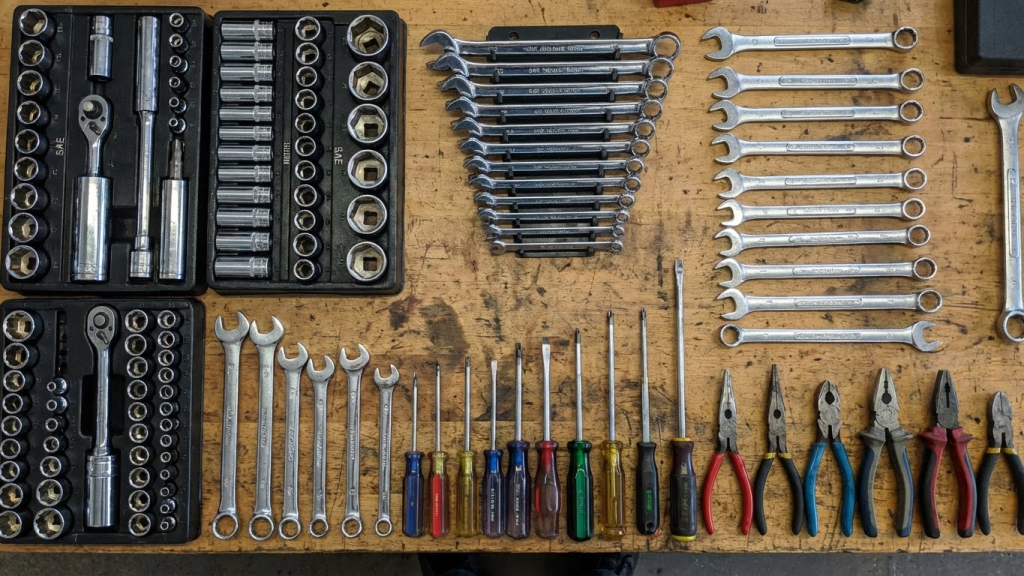
Socket and wrench sets are the backbone of any car maintenance kit. A quality set should include both metric and standard sizes to fit various nuts and bolts on vehicles. Ratchet sockets make loosening and tightening bolts faster and easier, especially in tight spaces.
Open-end and box-end wrenches are useful when sockets do not fit, offering better grip and torque without slipping. Many mechanics recommend investing in a set with a durable finish, like chrome vanadium, to resist rust and wear.
A well-rounded socket and wrench set prepares someone to handle tasks such as changing tires, removing engine covers, and swapping out brakes. This guide from the Automotive Training Center provides detailed insights into choosing the best sets.
Screwdrivers and Pliers
Screwdrivers are vital for handling screws in the car’s dashboard, engine components, and electrical systems. Phillips and flathead screwdrivers in various sizes cover most needs. Magnetic tips can prevent screws from falling into hard-to-reach places.
Pliers come in several types, including needle-nose, slip-joint, and locking pliers. Needle-nose pliers are handy for tight spots with wires or clips, while slip-joint pliers adjust to grip different sizes. Locking pliers hold parts firmly when hand pressure isn’t enough.
Together, screwdrivers and pliers help with tasks like replacing fuses, loosening clamps, or adjusting cables. Knowing how to use them properly reduces the risk of stripping screws and damaging parts.
Torque Wrenches
Torque wrenches are important for tightening bolts to the exact pressure specified by car manufacturers. Over-tightening can strip threads or damage parts, while under-tightening can cause equipment to come loose or fail.
These wrenches come with a dial or digital readout to measure the force applied. They are especially necessary when working on critical components like wheel lug nuts, cylinder heads, and suspension parts.
Using a torque wrench ensures that repairs meet safety and performance standards. It also extends the life of bolts and parts by avoiding unnecessary stress. The Society of Automotive Engineers offers standards and advice about proper torque use.
Essential Diagnostic Tools
Having the right diagnostic tools helps car owners identify and fix issues quickly. These tools provide accurate information about a vehicle’s condition and save time and money by avoiding unnecessary repairs.
OBD-II Scanner

An OBD-II scanner plugs into a car’s diagnostic port and reads error codes from the engine control unit. These codes reveal problems with the engine, emissions, transmission, and other systems. Modern scanners can show live data, like engine temperature and RPMs.
This tool is essential for pinpointing issues before lights on the dashboard turn on. Many scanners connect to smartphones with apps, making the device easier to use. Some models offer features like code clearing and system tests, which help verify repairs.
Using an OBD-II scanner reduces guesswork and helps decide whether a problem needs a mechanic or can be fixed at home.
Tire Pressure Gauge
Proper tire pressure improves safety, fuel efficiency, and tire life. A tire pressure gauge measures air pressure inside the tires with accuracy. Digital gauges provide quick, easy-to-read results, while analog types offer a budget-friendly option.
Checking tire pressure regularly helps prevent uneven tire wear and potential blowouts. The right pressure level varies by vehicle but is usually listed on a sticker inside the driver’s door frame or in the owner’s manual.
Keeping a tire pressure gauge in the garage or car ensures that tires can be monitored and maintained with minimal effort.
Multimeter
A multimeter tests electrical components by measuring voltage, current, and resistance. It is useful for diagnosing battery health, fuses, wiring, and sensors. This tool helps identify electrical issues before they cause bigger problems.
Basic multimeters are affordable and easy to use, with clear displays and simple controls. More advanced models offer features like auto-ranging, which adjusts measurement settings automatically.
Understanding how to use a multimeter allows car owners to troubleshoot electrical faults safely and confidently, making it an essential part of any DIY car toolkit.
Oil and Fluid Change Tools
Proper tools are needed to change oil and other vehicle fluids safely and efficiently. Using the right equipment helps avoid spills, speeds up the process, and protects the engine. Key items include tools to remove the oil filter, manage fluid transfer, and catch used liquids cleanly.
Oil Filter Wrench
An oil filter wrench is designed to loosen and tighten oil filters without damage. Filters can be stuck tightly, so this tool provides the extra grip and leverage needed. There are several types, including strap wrenches, cap wrenches, and plier-style wrenches.
Choosing the right wrench depends on the filter size and shape. A strap wrench wraps around the filter, while a cap wrench fits over the end like a socket. Pliers grip with adjustable jaws for different sizes. Using an oil filter wrench reduces the risk of crushing the filter or lubricating hands with oil.
For specific car models, checking the filter type beforehand is useful. Using the correct wrench makes changes faster and prevents damage to the filter housing. More information on oil filter types and tools can be found on Automotive Basics.
Fluid Transfer Pump
A fluid transfer pump is essential for moving fluids such as brake fluid, coolant, or transmission fluid. It helps pull out old liquid or add new fluids without spills. Pumps can be manual hand pumps or electric, depending on the frequency of use.
Manual pumps work with simple suction and are handheld, making them affordable and easy to use for amateurs. Electric transfer pumps speed up the job and are better for large fluid volumes. A good-quality pump prevents cross-contamination of fluids by quickly and cleanly moving liquids.
This tool is especially helpful when changing fluids in hard-to-reach locations, avoiding mess and waste. Always confirm the pump material is compatible with the specific fluid to prevent damage or leaks. For safety tips and pump recommendations, see YourMechanic.
Drain Pan
A drain pan catches engine oil and other fluids during draining. It prevents spills on the floor, keeps the workspace clean, and allows proper disposal of used fluids. Drain pans come in various sizes, shapes, and materials.
A shallow, wide pan works best for draining oil to avoid splashing. Look for one with a spout or pour lip for easy fluid transfer. Some pans have built-in strainers to catch debris, which helps keep the oil container clean for recycling.
Choosing a pan with enough capacity for your vehicle—typically from 5 to 10 quarts—avoids overflow. A sturdy pan made from durable plastic or metal lasts longer. Using a drain pan properly aligns with environmental safety rules for disposal of automotive fluids. More on safe fluid disposal is available at the EPA’s site.
Safety Equipment for Home Car Maintenance
Using the right safety gear is crucial when working on a car at home. Proper equipment helps prevent accidents and keeps the work area secure. Two important tools provide stability and protection during typical maintenance tasks.
Jack Stands
Jack stands are essential for safely supporting a raised vehicle. After lifting a car with a jack, the stands hold it in place, reducing the risk of it falling. They come in different weight ratings, so choosing stands that match or exceed the vehicle’s weight is vital.
When placing jack stands, they must be set on solid, level ground. Position them under strong points of the car’s frame or manufacturer-designated lift locations to avoid damage. Lower the vehicle onto the stands gently, never rely on a jack alone for support.
Using jack stands correctly prevents serious injuries. The National Highway Traffic Safety Administration recommends always using these stands any time a vehicle is lifted to work underneath safely.
Wheel Chocks
Wheel chocks stop a car from rolling while it is lifted or parked on an incline. They are placed firmly against the tires still touching the ground. This simple tool adds an extra layer of security by stabilizing the vehicle.
Selecting chocks made from durable materials like rubber or heavy-duty plastic is important for effective grip. Using a pair on both front and rear wheels offers better protection, especially on slopes.
Wheel chocks are easy to use but critical to prevent accidents during maintenance. For best safety practices, always install chocks before raising the car and before loosening any wheels or brakes. More safety tips can be found at the Occupational Safety and Health Administration (OSHA).
Battery Maintenance Tools
Maintaining a car battery requires the right tools to ensure it stays charged and free of corrosion. These tools help extend battery life and improve starting reliability. Two key tools focus on charging the battery properly and keeping the terminals clean.
Battery Charger
A battery charger is essential for restoring power to a dead or weak car battery. It connects to the battery terminals and supplies a controlled electrical current to recharge the battery safely. Chargers come in various types, including trickle chargers for slow, steady charging and smart chargers that adjust the charge based on battery condition.
Using a charger allows the owner to avoid jump-starting from another vehicle. It also helps maintain batteries during long periods of inactivity. Chargers may include features such as automatic shutoff to prevent overcharging and LED indicators to show charging status. Choosing a charger compatible with the battery’s voltage and chemistry is important for safety and effectiveness.
Battery Terminal Cleaner
Battery terminal cleaners remove corrosion and buildup on the battery posts and cable connectors. Corrosion looks like a white or green powder and can cause poor electrical contact, leading to starting problems or battery drain.
Cleaners come in handheld brush forms or wire brushes designed to fit over terminals. Using a terminal cleaner involves disconnecting the battery cables, scrubbing the terminals gently to remove all deposits, and then reconnecting the cables tightly. Some cleaners include protective sprays or gels that slow future corrosion. Regular cleaning helps maintain a strong connection and extends the battery’s service life.
Cleaning and Detailing Equipment
Proper cleaning and detailing require specific tools to protect the car’s finish and make the job efficient. Choosing the right materials helps avoid scratches and ensures a thorough clean. Maintaining both the interior and exterior depends on the quality and type of equipment used.
Microfiber Cloths
Microfiber cloths are essential for cleaning and drying because they are soft and won’t scratch paint or glass. They absorb water and dirt efficiently, reducing the risk of swirl marks when wiping off surfaces. It is best to use different cloths for different tasks—one for drying, one for applying polish, and another for cleaning windows.
The fibers trap dirt and dust instead of pushing it around, making your cleaning process safer. Microfiber cloths also last long if washed properly without fabric softener. Using several cloths during detailing avoids cross-contamination between areas like wheels and paint. This simple tool improves both safety and results during cleaning.
Car Wash Mitts
Car wash mitts are designed to gently clean vehicle surfaces without causing damage. They are usually made of soft materials like microfiber or lambswool, which hold plenty of soapy water. This helps loosen dirt particles and reduces friction on the paint.
Washing with mitts prevents scratches that sponges or rough cloths can cause. Using a mitt also allows more control while cleaning hard-to-reach spots. Many lids are washable and reusable, making them cost-effective for repeated use. Keeping the mitt clean is important to avoid trapping grit that could harm the paint.
Vacuum Cleaner
A vacuum cleaner is crucial for keeping a car’s interior free of dust, crumbs, and debris. A dedicated car vacuum is more effective than a household vacuum because it often comes with small attachments designed for tight spaces. For example, crevice tools fit between seats and under pedals, cleaning hard-to-reach areas.
Some car vacuums also work as dryers, removing water from carpets after cleaning. This dual function helps prevent mold and odors. Choosing one with strong suction and a portable design improves ease of use. Keeping the interior clean enhances comfort and protects the car’s materials over time.
Storage and Organization Solutions
Proper storage and organization are key to making car maintenance easier and faster at home. Tools should be stored in a way that keeps them accessible and protected from damage. This helps avoid frustration when a tool is needed quickly.
Using toolboxes with compartments or drawers can keep hand tools separated and easy to find. Labeling each section or drawer improves efficiency. For larger tools and equipment, shelves and cabinets provide a good way to maximize garage space.
A simple list of useful storage options includes:
- Toolboxes for small and medium tools
- Shelving units for power tools and parts
- Wall-mounted racks or pegboards to hang frequently used tools
- Clear bins for storing smaller parts like nuts and bolts
Seasonal rotation is also helpful. Tools or materials sensitive to weather can be stored separately and brought out as needed. This maintains the condition of both tools and their storage space.
Maintaining an organized workspace saves time and prevents damage. Regularly putting tools back in their proper places keeps the garage safe and tidy, making maintenance less stressful and more efficient.
Advanced Tools for Enthusiasts
Advanced car maintenance tools help make repairs faster and more precise. These tools are valuable for those who work on cars often or want to handle tougher jobs. They improve safety and reduce physical effort during repairs.
Impact Wrench
An impact wrench is a power tool used to remove or tighten lug nuts and bolts quickly. It delivers strong, sudden torque, making it easier to loosen stubborn fasteners that hand tools can’t handle. This tool is especially useful when changing tires or working on suspension parts.
There are corded, cordless, and pneumatic (air-powered) types. Cordless models offer portability, but pneumatic wrenches provide the most power for heavy-duty work. Users should pair the wrench with the correct socket size to avoid damage.
Using an impact wrench reduces hand strain and saves time, making it an essential tool for serious DIY mechanics or enthusiasts tackling frequent repairs.
Creeper
A creeper is a low-profile platform with wheels that allows a mechanic to slide under a vehicle easily. It improves comfort and mobility compared to lying directly on the ground. The smooth-rolling casters and padded surface help reduce back strain during extended work.
Most creepers feature a sturdy frame and adjustable headrest for better support. Some models fold for easy storage, which is helpful in a smaller garage space.
Using a creeper makes it safer and more convenient to access parts underneath the car. It benefits anyone doing regular under-car maintenance like oil changes, exhaust repairs, or inspections.
FAQs
What basic tools should every car owner have?
They should have a set of wrenches, both flathead and Phillips screwdrivers, a jack, and jack stands. An adjustable wrench and a socket set are also important for many tasks.
Can beginners use power tools for car maintenance?
Power tools can make some jobs easier, but beginners should first get comfortable with hand tools. Using power tools without experience can be unsafe.
How often should tools be checked or replaced?
Tools should be inspected regularly for damage or wear. Worn-out tools can be unsafe and less effective, so replace them when needed.
Is it expensive to set up a basic car maintenance toolkit?
No, starting with the essential hand tools is affordable. It saves money over time by reducing visits to a mechanic for simple repairs.
What safety gear is recommended?
Using gloves, eye protection, and sturdy shoes is advised to prevent injuries during car repairs.
| Essential Tools | Use |
|---|---|
| Wrenches | Loosening/tightening bolts |
| Screwdrivers | Removing/installing screws |
| Jack and jack stands | Lifting the car safely |
| Socket set | Handling various bolt sizes |
| Adjustable wrench | Versatile gripping and turning |
Conclusion
Having the right tools is key to effective car maintenance at home. A basic toolkit helps handle common repairs and checkups safely and efficiently. This keeps a car in good condition and can reduce repair costs over time.
Essential tools include a car jack, a torque wrench, jumper cables, a tire pressure gauge, and a multi-tool set. These cover many routine tasks without needing professional help. As skills grow, more advanced tools like power tools or specialized hand tools can be added.
Regular care of the tools themselves is important. Keeping them clean, sharp, and lightly oiled prevents damage and extends their life. Checking tools for wear ensures they work properly and safely.
Recommended Basic Tools:
| Tool | Purpose |
|---|---|
| Car Jack | Lifting the car safely |
| Torque Wrench | Tightening bolts correctly |
| Jumper Cables | Starting a dead battery |
| Tire Pressure Gauge | Checking tire pressure |
| Multi-tool Set | Various small repairs |
A well-stocked toolkit is an investment. It saves time and money, and builds confidence in managing car maintenance tasks independently. Having these basics readily available can help avoid unnecessary trips to a mechanic.