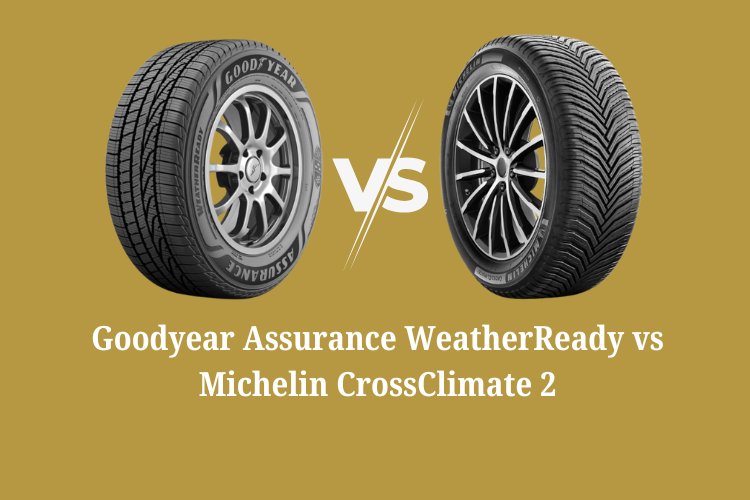
Drivers who want reliable year-round performance often narrow their options to premium all-season tires, and two names dominate this conversation: Goodyear Assurance WeatherReady and Michelin CrossClimate 2.
Both deliver a strong balance of wet grip, dry handling, and winter traction, but their designs focus on slightly different priorities. Goodyear emphasizes dependable control in rain and light snow, with tread patterns engineered for long-lasting durability and steady comfort.
Michelin counters with advanced rubber compounds and V-shaped tread technology that push all-season capability closer to winter tire performance. Each brand offers solid warranty coverage and reputation, making the choice less about brand loyalty and more about driving needs.
City commuters, highway travelers, and drivers in regions with unpredictable weather often weigh these two side by side. Exploring their strengths in traction, tread life, ride comfort, and seasonal adaptability reveals which tire delivers the most confidence on the road.
Goodyear Assurance WeatherReady vs Michelin CrossClimate 2
Both Goodyear and Michelin have built strong reputations for quality, safety, and durability. The Goodyear Assurance WeatherReady is marketed as a premium all-season tire designed to adapt to changing conditions.
The Michelin CrossClimate 2, on the other hand, is part of Michelin’s advanced all-weather lineup that blends summer tire handling with winter-level traction.
Drivers often wonder which tire is better for their needs. The answer depends on where you drive, how you drive, and what matters most: price, durability, comfort, or all-weather strength. Let’s break each tire down in detail.
Goodyear Assurance WeatherReady Tire

Product Details
-
Brand: Goodyear
-
Size: 215/60R17
-
Section Width: 215 mm
-
Load Capacity: 1700 lbs
-
Tread Depth: 10/32″
-
Tread Type: Non-Directional
-
Max Pressure: 51 PSI
-
Rim Size: 17 inches
-
Tire Diameter: 27.2 inches
-
Aspect Ratio: 60
-
Load Index: 96
-
Speed Rating: H
Features
The Assurance WeatherReady was designed for year-round dependability. It uses Goodyear’s Weather Reactive Technology, which means the tread adjusts to changing road conditions. The grooves are deep and wide, pushing water away to lower the risk of hydroplaning.
Its Evolving Traction Grooves maintain grip as the tire wears down. The tread blocks are designed to lock together for stability on dry roads while still leaving biting edges for snow traction.
The rubber compound remains pliable in cold conditions, unlike many standard all-season tires that stiffen up. This makes it more effective on icy or slushy roads. Comfort is also a focus, so it rides smoothly and reduces cabin noise on highways.
What is the good?
-
Performs well in rain and light snow
-
Evolving grooves keep traction consistent even as tread wears
-
Quiet ride with reduced vibrations
-
Good flexibility in colder climates
-
Available in multiple sizes for sedans, minivans, and SUVs
What is the bad?
-
Tread life is shorter than Michelin in heavy use
-
Not designed for deep winter conditions like snow-packed roads
-
Slightly higher rolling resistance, which can lower fuel economy
Overall Opinion
The Goodyear Assurance WeatherReady is a versatile tire for people who face rain, mild winter, and mixed driving conditions. It emphasizes safety and comfort but is best suited for regions that do not have extreme winters.
Michelin CrossClimate 2 All-Season Tire
Product Details
-
Brand: Michelin
-
Size: 205/55R16 91H
-
Section Width: 205 mm
-
Load Capacity: 1356 lbs
-
Tread Depth: 10/32″
-
Tread Type: Directional
-
Max Pressure: 51 PSI
-
Rim Size: 16 inches
-
Tire Diameter: 24.9 inches
-
Aspect Ratio: 55
-
Load Index: 91
-
Speed Rating: H
Features
The Michelin CrossClimate 2 is part of Michelin’s premium all-weather tire series. It combines features of both summer and winter tires. The directional V-shaped tread design channels water efficiently, giving the tire excellent resistance to hydroplaning.
Michelin uses its Thermal Adaptive Tread Compound, which adjusts to hot and cold conditions. This means it grips strongly in summer heat but stays soft and flexible in freezing weather. The tire also includes 3D SipeLock technology, which adds biting edges for snow traction without making the tread unstable on dry pavement.
The CrossClimate 2 is certified with the Three-Peak Mountain Snowflake (3PMSF) symbol, which means it meets official standards for severe snow performance. Comfort is also impressive, with reduced noise and smooth highway handling.
What is the good?
-
Handles rain, snow, and dry roads equally well
-
Certified for severe winter conditions (3PMSF)
-
Long tread life due to Michelin’s durable compounds
-
Stable cornering and confident braking
-
Feels safe in both summer heat and winter cold
What is the bad?
-
Higher purchase cost than Goodyear
-
Slightly firmer ride on rough roads
-
Rolling resistance is higher than summer-only tires, which may reduce fuel economy slightly
Overall Opinion
The Michelin CrossClimate 2 is a top-tier option for drivers who want one tire for all conditions, including harsh winters. It provides a balance of safety, durability, and performance that few tires can match. While expensive, the longer tread life often offsets the higher price.
Detailed Comparison for Goodyear Assurance WeatherReady vs Michelin CrossClimate 2
Both tires are designed as all-season solutions, but their focus areas differ.
-
Winter Capability: The Michelin CrossClimate 2 has a clear advantage with its 3PMSF snow rating. Goodyear’s Assurance WeatherReady performs well in light snow but lacks the same severe winter approval.
-
Wet Performance: Both are strong in wet conditions. Michelin’s directional tread gives it a slight edge in heavy rain. Goodyear also resists hydroplaning well but may not match Michelin in deep water.
-
Tread Life: Michelin is known for extended tread durability. Goodyear offers good life, but under heavy use, Michelin typically lasts longer.
-
Comfort: Goodyear focuses on quiet, smooth rides. Michelin offers strong comfort as well, though some drivers notice a firmer feel on rough pavement.
-
Price: Goodyear is usually more affordable upfront. Michelin costs more but may save money long-term through durability.
-
Target Driver: Goodyear fits drivers in moderate climates with rain and light snow. Michelin suits drivers who face unpredictable or harsh weather, including heavy snow.
FAQs
Which tire is better for snow?
The Michelin CrossClimate 2, since it has the 3PMSF certification for severe snow.
Do these tires last long?
Yes, both last well, but Michelin generally outperforms Goodyear in tread life.
Which one is quieter?
Goodyear Assurance WeatherReady has a softer and quieter ride.
Are they fuel efficient?
Both have some rolling resistance. Michelin’s tread design and compounds make it slightly more efficient, though neither beats summer-focused tires.
Which is cheaper?
Goodyear is the more budget-friendly option. Michelin is higher priced but offers longer-lasting performance.
Conclusion
The Goodyear Assurance WeatherReady is a solid all-season tire that focuses on comfort, wet safety, and reliability in mild snow. It works best for drivers in moderate climates who want an affordable yet dependable option.
The Michelin CrossClimate 2 is the stronger choice for areas with harsher winters and varying conditions. It provides excellent safety, long tread life, and year-round adaptability, though it costs more.
Both are strong contenders, but your choice should depend on budget, climate, and driving needs.