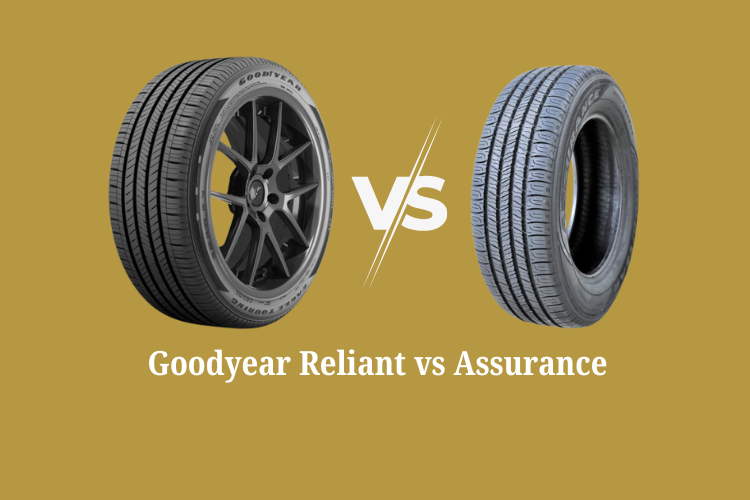
Drivers often find themselves comparing Goodyear Reliant and Goodyear Assurance, two all-season options designed for everyday road use. Both lines aim to balance performance, comfort, and safety, yet each brings its own strengths to the table.
The Reliant All-Season stands out for its affordability and reliable wet-weather traction, giving budget-conscious drivers a dependable option for year-round use. On the other hand, the Assurance series, with variations like the Assurance WeatherReady and Assurance MaxLife, emphasizes longevity, advanced tread designs, and enhanced ride comfort.
These differences matter most to drivers who want more than just a basic tire; they want something that aligns with their lifestyle, mileage expectations, and driving conditions.
Comparing these two options highlights how tire technology meets real-world needs in unique ways. By exploring traction, durability, ride quality, and overall value, drivers gain the clarity needed to select the tire that best matches their priorities.
Goodyear Reliant vs Goodyear Assurance
Drivers often ask one key question before buying tires: Which one fits my needs better? Goodyear makes some of the most popular all-season tires, and two of them Goodyear Reliant and Goodyear Assurance stand out.
Both promise traction in rain, dry roads, and light snow. Both offer safety and comfort. But they are not the same. One is stronger and more rugged. The other focuses on comfort, long life, and fuel savings. Let’s explore each tire in detail.
Goodyear Reliant All Season Tire

Product Details
-
Brand: Goodyear
-
Size: 285/45R22
-
Section Width: 285 mm
-
Load Capacity: 1700 lbs
-
Tread Depth: 10/32″
-
Tread Type: Symmetrical
-
Maximum Pressure: 44 PSI
-
Rim Width: 22″
-
Tire Diameter: 27.2″
-
Overall Dimensions: 32.1 x 32.1 x 11.2 inches
-
Aspect Ratio: 45.0
-
Load Index: 114
-
Speed Rating: H (up to 130 mph)
Features
-
Symmetrical tread design for steady handling.
-
Strong biting edges for traction on wet, dry, and snowy roads.
-
Durable tread compound designed to last under heavy loads.
-
Multiple sipes that resist uneven wear.
What is the good?
-
Great for heavy vehicles. The Reliant supports a high load index, making it a solid choice for SUVs and trucks.
-
All-weather traction. Extra biting edges help the tire maintain grip on slippery surfaces.
-
Durability. Strong tread compound holds up against wear from heavy driving.
-
Confidence in wet roads. The wide contact patch and sipes reduce hydroplaning risk.
What is the bad?
-
Fuel efficiency trade-off. Wider tires create more rolling resistance, which may lower gas mileage.
-
Not the quietest. While stable, the Reliant produces more road noise than touring-focused tires.
-
No extended tread warranty. Unlike Assurance, Reliant does not highlight a long mileage guarantee.
Overall Opinion
The Goodyear Reliant is made for strength and grip. It performs best on SUVs and larger vehicles that carry more weight. It offers solid safety in rain and light snow but leans more toward durability and traction than comfort.
Goodyear Assurance All-Season Tire
Product Details
-
Brand: Goodyear
-
Size: 205/55R16
-
Section Width: 205 mm
-
Load Capacity: 1356 lbs
-
Tread Depth: 9/32″
-
Tread Type: Asymmetrical
-
Maximum Pressure: 91 PSI
-
Rim Width: 6.5″
-
Tire Diameter: 24.9″
-
Overall Dimensions: 24.9 x 24.9 x 8.1 inches
-
Aspect Ratio: 55.0
-
Load Index: 91
-
Speed Rating: H (up to 130 mph)
Features
-
Multiple biting edges for all-season traction.
-
Wide tread grooves that push away water and slush.
-
Asymmetrical tread pattern designed to lower road noise.
-
Large shoulder blocks for stable cornering.
-
Long tread life warranty up to 65,000 miles.
What is the good?
-
Comfort and quiet. The tread pattern reduces road noise, making it ideal for highway and city driving.
-
Long life. Backed by a strong tread warranty, Assurance lasts longer under normal use.
-
All-weather reliability. Performs well on wet, dry, and light snowy surfaces.
-
Fuel-efficient. Narrower tread creates less rolling resistance, which improves mileage.
What is the bad?
-
Not for heavy vehicles. The load rating is lower, making it less suitable for big trucks or SUVs.
-
Light snow only. While effective in mild winters, it does not handle deep snow or ice well.
-
Less rugged tread. Compared to Reliant, it lacks aggressive edges for off-road or harsh conditions.
Overall Opinion
The Goodyear Assurance is designed for daily drivers who want a smooth ride, quiet cabin, and long-lasting performance. It works best on sedans, small crossovers, and commuter vehicles.
Detailed Comparison for Goodyear Reliant vs Assurance
Both tires come from the same brand, yet they focus on different drivers. The Reliant is wider, taller, and heavier. Its 285 mm section width and 114 load index mean it can carry more weight.
This makes it the better choice for SUVs, light trucks, and vehicles that need strength. Its symmetrical tread and biting edges give reliable grip in all seasons. It does create more road noise and can lower fuel economy, but the trade-off is extra stability.
The Assurance is built for everyday use. It is lighter, narrower, and designed with comfort in mind. The asymmetrical tread keeps road noise down, while the wide grooves clear water to reduce slipping.
The tread life warranty makes it cost-effective, especially for families who drive long distances. It is not ideal for heavy-duty vehicles or deep snow, but for city and highway driving, it stands out.
To put it simply:
-
Goodyear Reliant = durability, traction, and strength for bigger vehicles.
-
Goodyear Assurance = comfort, quiet, and long life for everyday cars.
FAQs
Which one is better for SUVs?
The Reliant, because of its higher load index and wider tread.
Which tire is quieter?
The Assurance, thanks to its tread pattern and design focus on comfort.
Does the Reliant last as long as the Assurance?
No. The Assurance has a longer tread life warranty (up to 65,000 miles).
Which tire handles snow better?
The Reliant handles light snow slightly better due to its biting edges, but neither is a replacement for winter tires.
Which one improves fuel economy more?
The Assurance, since its design reduces rolling resistance.
Conclusion
Goodyear Reliant and Goodyear Assurance share all-season ability but serve different roles. The Reliant focuses on grip, stability, and load strength. It is the better choice for SUVs and trucks.
The Assurance focuses on comfort, quiet rides, and long tread life. It works best for sedans and daily commuting.
Drivers who want strength and traction for bigger vehicles should pick the Goodyear Reliant. Drivers who want comfort, quiet, and long-lasting tread for passenger cars should choose the Goodyear Assurance.