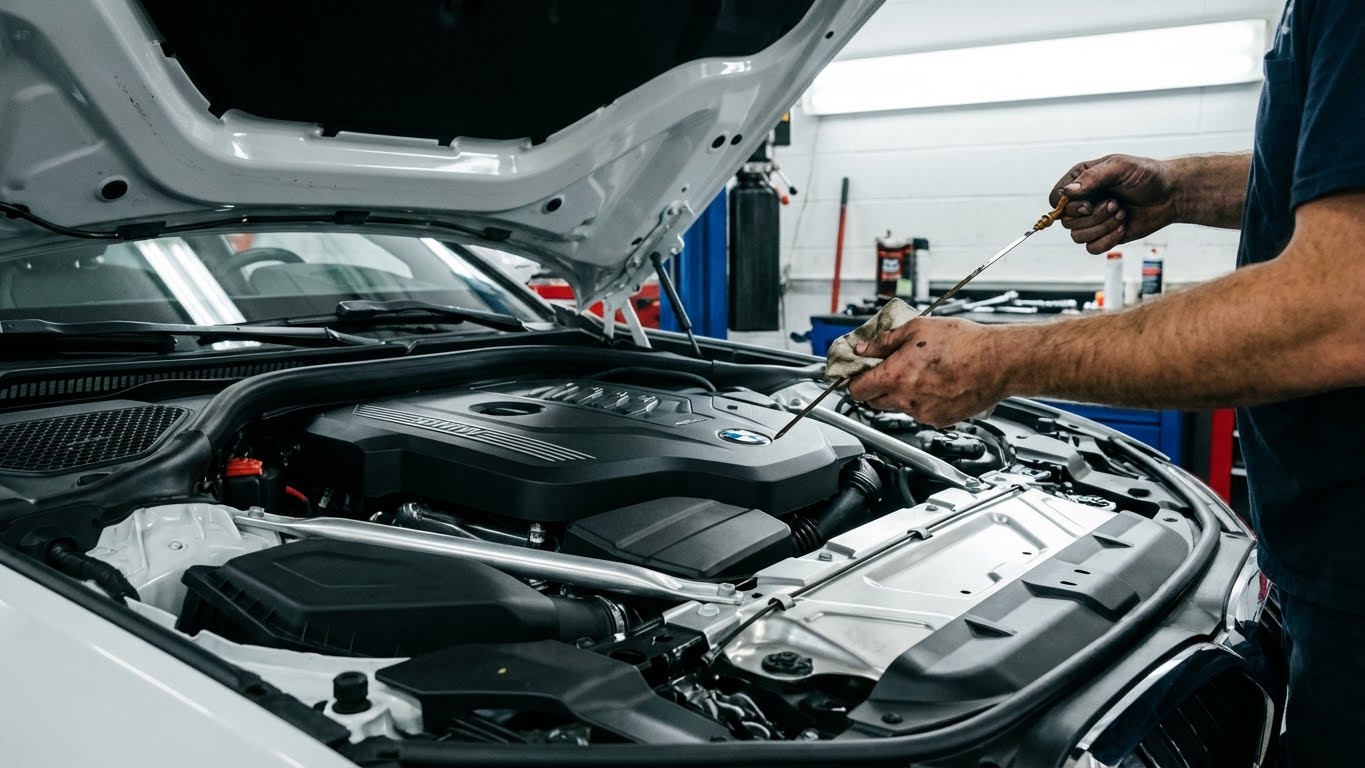
Cars can usually go between 3,000 and 7,500 miles without needing an oil change. How long a car can go without an oil change depends on factors like the type of oil used, the vehicle’s age, and driving habits. Newer cars with synthetic oil may last longer between changes, while older cars or those driven hard may need oil changed more often.
Delaying oil changes can lead to engine damage and costly repairs. It’s important to know the warning signs of old or dirty oil so you can act before problems arise. Following the manufacturer’s recommendations will help keep the engine running smoothly and extend the car’s life.
Knowing the right oil change interval is key to protecting your vehicle and avoiding unnecessary breakdowns. This article will explain how to determine when an oil change is due and what risks come from waiting too long.
Key Takeways
- Oil change intervals vary based on oil type, vehicle, and driving style.
- Skipping oil changes can cause engine wear and expensive damage.
- Recognizing signs of dirty oil helps maintain car performance.
Understanding Oil Change Intervals

The time and distance a car can go between oil changes depend on several factors. These include the car’s age, engine type, and the kind of oil used. Knowing these details helps drivers keep their engines healthy and avoid costly damage.
Recommended Mileage and Time Frames
Most modern cars can go between 7,500 and 10,000 miles before needing an oil change. Some newer models using synthetic oil can stretch this to 15,000 miles. Older cars usually require changes every 3,000 to 5,000 miles to prevent wear.
Time also matters. Many manufacturers suggest changing oil every 12 months, even if the mileage is low. This is because oil degrades over time and loses its ability to protect the engine well.
Factors like driving in stop-and-go traffic, extreme temperatures, or towing heavy loads can shorten the oil’s life. In those cases, more frequent changes are necessary.
Differences Between Engine Types
Engines vary in how quickly their oil breaks down. Complex engines or those with turbochargers tend to run hotter, which can cause oil to degrade faster. High-performance or older engines may need shorter oil change intervals.
Some engines have seals or parts that wear more if oil is dirty or low. These engines require more careful oil monitoring. Diesel engines, for example, often need more frequent oil changes than gasoline engines because of soot buildup.
Manufacturers provide specific oil change recommendations linked to engine type in the owner’s manual, and following those is key to engine health.
Conventional vs. Synthetic Oil
Conventional oil is the standard, made from crude oil. It usually requires changing every 3,000 to 7,500 miles. It’s less expensive but breaks down faster and can leave more deposits in the engine.
Synthetic oil is engineered to last longer and handle higher temperatures. Cars running on synthetic oil can often go up to 15,000 miles between changes. It flows better in cold weather and protects the engine from sludge and wear more effectively.
Choosing between conventional and synthetic oil depends on the vehicle, driving style, and climate. Using the oil type recommended by the car maker ensures the best performance and avoids voiding warranties.
Consequences of Skipping Oil Changes
Skipping oil changes can lead to serious problems for a vehicle. These include damage to engine parts, potential loss of warranty coverage, and a drop in overall vehicle performance. Understanding these effects helps owners make better maintenance decisions.
Engine Damage Risks
When oil is not changed on time, it thickens and loses its ability to lubricate moving engine parts effectively. This causes increased friction, which wears down components faster. Over time, sludge and dirt build up inside the engine, blocking oil passages.
This buildup can cause overheating and even engine failure. For some vehicles, this damage may appear after only a few thousand miles past the recommended oil change interval. Continuing to drive with dirty oil risks costly repairs like replacing the engine or parts such as piston rings and valves.
Regular oil changes keep the engine clean, reduce wear, and maintain proper temperature. The Car Care Council advises following manufacturer guidelines strictly to avoid these risks.
Warranty and Insurance Implications
Skipping oil changes may void the vehicle’s warranty. Most manufacturers require maintenance records proving on-time oil changes to keep warranty coverage active. Without proof of proper service, claims for engine repairs may be denied.
Insurance companies could also view neglect as a factor lowering the vehicle’s value or increasing risk. In case of an accident or breakdown, they might reduce payouts if maintenance was not up to date.
Maintaining detailed service records and sticking to recommended oil change schedules helps protect owners from losing warranty benefits and facing insurance challenges.
Performance Degradation
Old or dirty oil impairs engine efficiency. The engine may run hotter, use more fuel, and emit more pollutants. Sludge buildup reduces oil flow, causing rough idling, jerky acceleration, and increased engine noise.
Fuel economy drops as the engine struggles to operate smoothly. This leads to higher fuel costs and a less enjoyable driving experience. Emission tests may also fail due to increased exhaust pollution.
Timely oil changes support consistent engine performance and reduce the risk of breakdowns. Owners can learn more about oil’s role in car health at the American Automobile Association.
Factors That Affect How Long a Car Can Go Without an Oil Change
Several important elements determine how far a car can safely travel before needing an oil change. These include how the vehicle is driven, its age and total mileage, and the type and quality of oil used. Proper attention to these factors helps protect the engine and maintain performance.
Driving Habits and Conditions
Frequent short trips and stop-and-go traffic are harder on the engine oil than steady highway driving. Short trips don’t allow the engine to reach full operating temperature, which can cause moisture buildup and oil degradation.
Towing heavy loads, driving in dusty or very hot conditions, and aggressive driving styles also put extra strain on the oil and engine. These factors increase the need for more frequent oil changes.
A driver who mostly uses the car for highway commuting may stretch oil change intervals longer, while those in urban or severe driving conditions should check and change oil more often to prevent damage.
Car Age and Mileage
Older vehicles or those with very high mileage may need oil changes more frequently. Worn engine parts can produce more contaminants that degrade the oil faster.
Newer cars with modern engines and advanced oil formulations often have longer oil change intervals. However, mechanical wear, engine leaks, or oil consumption can still require more frequent attention.
Drivers should follow the manufacturer’s recommended schedule but adjust if the car has high mileage or signs of engine wear. Keeping an eye on oil level and quality helps avoid potential problems.
Oil Quality and Viscosity
The type of oil used affects how long it can protect the engine. Synthetic oils generally last longer than conventional oils because they resist breakdown under heat and stress better.
Viscosity, or the oil’s thickness, should match the manufacturer’s guidelines for the engine. Using the wrong viscosity can cause poor lubrication and faster oil degradation.
High-quality oils with additives improve protection against sludge and corrosion, extending safe intervals between changes. Lower quality oils require changing sooner to maintain engine health.
Warning Signs of Overdue Oil Changes
Delaying an oil change can cause specific warning signs that alert drivers to take immediate action. These signs include dashboard indicators, unusual engine noises or smells, and a drop in fuel efficiency. Recognizing these symptoms early helps prevent costly damage and keeps the car running smoothly.
Dashboard Indicators
One of the first clear warnings is the oil change light or check engine light appearing on the dashboard. These signals mean the vehicle’s computer system has detected oil quality problems or low oil pressure. Ignoring these lights can lead to serious engine damage.
Additionally, some cars include an oil life monitor that shows a percentage of oil life remaining. When it reaches around 15-20%, it’s time to schedule an oil change. Drivers should never reset these indicators manually without changing the oil, as this defeats their purpose.
Monitoring oil levels regularly is also important. Low oil can trigger warning lights and cause the engine to seize. For official guidance on dashboard alerts, car owners can refer to resources like the National Institute for Automotive Service Excellence (ASE).
Engine Noises and Smells
When oil gets too old or dirty, it loses its ability to lubricate the engine’s moving parts. This causes increased friction and unusual engine noises. Drivers might hear ticking, knocking, or rattling sounds, especially during startup or acceleration.
Burnt oil can produce a strong, acrid smell inside or outside the vehicle. This happens when oil breaks down and overheats. The smell often warns of oil leaks or burnt oil inside the engine, both of which need urgent attention.
Ignoring these signs can lead to overheating or even engine failure. If unusual noises or smells occur, it’s critical to check the oil immediately or visit a mechanic to avoid costly repairs.
Decreased Fuel Efficiency
Old or dirty oil also affects how efficiently the engine runs. Without proper lubrication, the engine has to work harder, which causes a drop in fuel economy. Drivers might notice they need to fill up the gas tank more often than usual.
This decrease can be gradual and easy to miss. Tracking fuel consumption helps spot this change early. If gas mileage falls suddenly or noticeably, an oil change should be part of the inspection process.
Maintaining fresh oil supports better engine performance and fuel savings. For more details on fuel efficiency and oil maintenance, the U.S. Department of Energy’s fuel economy site offers useful tips.
Comparing Manufacturer Guidelines
Car makers set oil change schedules based on engine design, oil type, and driving conditions. These recommendations vary widely and have evolved with advances in engine technology and oil formulas.
Variations by Make and Model
Different manufacturers provide specific mileage or time intervals for oil changes, usually found in the owner’s manual. For example, some brands like Toyota and Honda recommend oil changes every 5,000 to 7,500 miles for conventional oil. Others, especially European makes like BMW or Mercedes-Benz, may specify intervals closer to 10,000 miles when using synthetic oil.
Factors influencing these intervals include engine size, turbocharging, and emission controls. Vehicles with diesel engines or heavy towing demands often have shorter recommended oil change periods. Following the exact schedule for each make and model is essential because skipping or extending oil changes without regard to these specifics can lead to engine wear or warranty issues.
Recent Updates in Recommendations
In recent years, many manufacturers have extended oil change intervals due to improvements in synthetic oils and engine technology. Some now advise changes every 9,000 to 12,000 miles, or roughly every 6 to 12 months, whichever comes first.
These updates also stress the importance of using the right oil grade and quality as listed in the manual. Severe driving conditions like stop-and-go traffic, extreme temperatures, or dusty environments may require more frequent changes despite these longer intervals. Modern onboard monitoring systems in some cars alert drivers when an oil change is due, based on actual driving habits and engine conditions rather than fixed mileage. This technology helps prevent unnecessary early changes while ensuring timely maintenance.
Preventive Maintenance Tips
Keeping a car’s engine in good shape requires careful attention to oil health and timely servicing. Regular checks and planned maintenance help avoid engine problems and keep the vehicle running smoothly.
Monitoring Oil Levels
Checking oil levels frequently is essential to prevent engine damage. The driver should use the dipstick to check the level when the engine is cool and the car is on a flat surface. Oil should reach the recommended mark on the dipstick but not exceed it.
If oil is low, topping it up with the right grade of oil is important. Dark, thick, or gritty oil signals that an oil change is needed. Unusual oil smell or smoke from the engine also points to oil issues. Using synthetic oil may allow longer intervals, but it does not eliminate the need for regular checks.
Keeping a log of oil checks can help spot changes in consumption or leaks early.
Scheduling Regular Service
Following the manufacturer’s recommended oil change schedule is critical. Newer cars with synthetic oil often need changes between 7,500 to 10,000 miles, while older models may require changes every 3,000 to 5,000 miles.
Service visits should include an oil change and inspection of oil filters. Ignoring service schedules can lead to sludge buildup, poor lubrication, and engine wear.
Maintaining service records aids in resale value and ensures the car stays under warranty. Drivers should also consider their driving style—frequent short trips or heavy traffic may require more frequent servicing.
Long-Term Impact on Vehicle Longevity
Skipping or delaying oil changes can cause serious harm to a car’s engine over time. Oil lubricates engine parts and reduces friction. Without fresh oil, parts wear out faster, which leads to engine damage.
Old oil can become dirty and lose its ability to cool and protect the engine. This increases the risk of overheating and causes buildup of harmful deposits. These problems reduce the overall lifespan of the vehicle.
Consistent, timely oil changes help keep the engine clean and operating smoothly. They prevent expensive repairs and improve the car’s reliability. A well-maintained engine can reach 200,000 miles or more when oil changes happen on schedule.
| Oil Change Interval | Potential Effect on Vehicle Longevity |
|---|---|
| Every 3,000-5,000 miles | Maintains engine health and maximizes lifespan |
| Over 7,500 miles | Increased engine wear and possible damage |
| Over 10,000 miles | Higher risk of engine failure and shortened lifespan |
Ignoring oil changes can shorten a car’s useful life by thousands of miles. Proper maintenance, including regular oil changes, plays a key role in helping vehicles last 12–15 years or longer. The owner’s care directly affects how long a car remains reliable and safe to drive.
Environmental Implications of Infrequent Oil Changes
When a car owner delays oil changes, it can lead to environmental harm. Old engine oil thickens and forms sludge, which reduces engine efficiency. This causes the engine to burn more fuel, leading to higher emissions of pollutants like carbon monoxide and nitrogen oxides.
Used oil also contains harmful contaminants such as heavy metals and toxins. If not changed regularly, these substances can leak or spill, potentially contaminating soil and water. Proper disposal of used oil is critical to prevent environmental damage.
Infrequent changes can cause engine parts to wear faster. This leads to more frequent repairs or engine replacements, increasing waste and resource use. Maintaining regular oil changes helps extend engine life and reduces the need for manufacturing new parts.
Key Environmental Risks of Skipping Oil Changes:
| Risk | Impact |
|---|---|
| Increased fuel consumption | Higher greenhouse gas emissions |
| Contaminated engine oil | Soil and water pollution |
| More frequent repairs | Greater waste generation |
By following recommended oil change intervals, drivers help keep their engines running cleanly. This supports better air quality and reduces the chances of harmful spills. Regular maintenance is a simple way to lower a vehicle’s environmental footprint.
FAQs
How long can a car go without an oil change?
The time depends on factors like the type of oil, the car’s age, and driving conditions. Most cars need an oil change every 5,000 to 7,500 miles. Cars with synthetic oil can often go 9,000 to 12,000 miles between changes.
Is it dangerous to go past the recommended oil change interval?
Yes, going slightly past the limit may not cause immediate damage, but delaying too long can hurt the engine. Stretching miles too far raises the risk of sludge build-up and parts wearing out quicker.
What should be done if an oil change is long overdue?
It is important to change the oil and the filter right away. A mechanic can check the old oil for sludge or metal pieces to see if the engine has been harmed.
Can a car sit unused and still need an oil change?
Yes. Even if rarely driven, oil should be changed roughly every 6 months. High-quality synthetic oil might last up to 12 months, but waiting longer risks oil breaking down.
| Factor | Recommended Oil Change Interval |
|---|---|
| Conventional oil cars | Every 5,000 to 7,000 miles |
| Synthetic oil cars | Every 9,000 to 12,000 miles |
| Car rarely driven | Every 6 to 12 months (time-based) |
These guidelines help protect the engine and prevent costly repairs.
Conclusion
A car can usually go between 3,000 and 7,500 miles without an oil change, depending on the type of oil and driving conditions. Newer cars with synthetic oils often allow longer intervals, while older cars may need more frequent changes.
Waiting too long to change the oil can lead to serious engine problems. Dirty oil loses its ability to lubricate parts and remove dirt, which increases wear and risks engine damage.
Signs that an oil change is overdue include unusual engine noise, sluggish performance, and darker oil color. Heeding these signs helps protect the engine and maintain the car’s reliability.
Following the manufacturer’s recommendations is the safest way to decide when to change the oil. Regular checks and timely oil changes keep the engine running smoothly and prevent costly repairs.
In summary, while modern technology has extended oil change intervals, paying attention to oil quality and vehicle needs is essential for engine health. Regular maintenance saves money and extends a car’s lifespan.