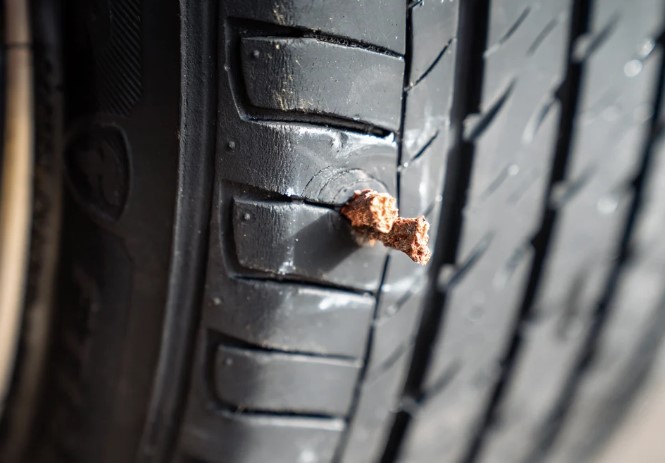
A sudden puncture doesn’t always mean replacing the entire tire. Many drivers rely on tire plugs as a fast and cost-effective solution to get back on the road. But not all quick fixes last forever.
The durability of a tire plug depends on several factors how the puncture occurred, where it’s located, the quality of the plug, and the conditions the tire faces afterward. While some plugs can last thousands of miles, others might fail in a fraction of that distance without proper care.
Understanding what influences their longevity helps avoid unexpected blowouts and keeps your ride safe. Whether you’re patching a small nail hole or something slightly bigger, knowing how long you can trust that plug makes a real difference.
Stay informed before that fix wears out at the worst possible moment. Here’s a clear breakdown of how long a tire plug typically lasts and what can shorten or extend its life.
How Long Does a Tire Plug Last?
Tire damage can happen anywhere. A nail on the road or a sharp rock can leave you with a flat tire. A quick fix like a tire plug can get you back on the road fast.
But how long can that fix last? That’s what most drivers want to know. Some think it’s only a temporary patch. Others believe it’s good for years. The truth falls somewhere in the middle.
This guide explains how long a tire plug lasts, what affects its lifespan, and when it’s safe to rely on one.
What Is a Tire Plug?
A tire plug is a small piece of rubber. It fills a hole in your tire caused by a puncture. The plug seals the hole from the outside. It stops air from leaking out. Plugs work best for small punctures, like those made by nails or screws.
Tire plugs are often used in emergency repair kits. You can apply them at home or on the side of the road. Some repair shops also use them for quick fixes.
How Long Does a Tire Plug Actually Last?
In most cases, a tire plug can last 7 to 10 years or up to the life of the tire. But that only happens under the right conditions. A properly installed plug in a small puncture on the tread area of a tire can last just as long as the tire itself.
Short-Term Fix vs. Long-Term Use
Some drivers treat a plug as a short-term fix. They drive a few miles, then head to a tire shop. That’s a safe choice if the damage is near the sidewall or if the tire looks worn out.
But many drivers use plugged tires every day for months or years. If the repair is done correctly and the tire stays in good shape, the plug can hold up for a long time.
Factors That Affect How Long a Plug Lasts

1. Location of the Puncture
Tire plugs work best on the tread, the part that touches the road. Plugs do not work well on sidewalls or near the edge of the tread. Those areas flex more and weaken the plug over time.
2. Size of the Hole
Plugs seal small holes usually no more than 1/4 inch wide. Bigger holes need a patch or a full tire replacement. Trying to plug a large hole may lead to air loss later.
3. Tire Condition
Old, worn-out tires don’t hold plugs well. Cracks or bald spots can make the plug fail. Plugs work better on tires with good tread and no dry rot.
4. Installation Quality
A poorly installed plug can leak or come out. The hole must be cleaned, and the plug must be pushed in tightly. Adding sealant helps too. Some people also patch the inside for extra strength.
5. Driving Habits
Hard driving, high speeds, or off-road use can weaken the plug. Gentle driving and proper tire pressure help the plug last longer.
Plug or Patch – What’s Better?
Plugs fix the tire from the outside. Patches go inside the tire and cover the hole. Many repair shops use both. That method is the most secure.
A plug is quick, cheap, and easy. A patch takes more time but gives more protection. If the tire is expensive or still new, patching it may be the better choice.
Can You Drive Long Distance on a Plugged Tire?
Yes, many drivers do. If the plug is in the right spot and the tire is in good shape, long-distance driving is safe. Still, it’s a good idea to check the tire often. Watch for signs of air loss or bulging. That could mean the plug is failing.
How to Know if the Plug Is Still Holding
-
No air loss: Check pressure once a week
-
No noise: A hissing sound may mean a leak
-
No bulge or bump: The tire should feel smooth while driving
-
No change in handling: Loose steering or shaking can be a bad sign
When to Replace a Plugged Tire?
-
Plug starts leaking again
-
Tire sidewall has damage
-
Plug is near edge or shoulder of tire
-
Tire is over 6 years old
-
Tread is below safe level
Driving on a damaged or poorly plugged tire puts you at risk. It’s better to change the tire than take a chance.
FAQs
Can a tire plug last the life of the tire?
Yes, it can. But only if the plug is installed properly, and the tire is in good condition.
Is a plug better than a patch?
A patch offers better protection. But a plug is faster and easier. The best repair uses both.
Can I plug a tire near the sidewall?
No. Plugs don’t hold well near the sidewall. That area moves too much.
Is it safe to drive fast on a plugged tire?
It’s best to stay within normal speed limits. Avoid high-speed driving or racing on a plugged tire.
How do I know if my plug is leaking?
You may hear a hissing sound, feel vibration, or notice a loss in air pressure.
Final Thoughts
A tire plug can be a strong and lasting fix. In the right conditions, it can last for years. But it’s not a cure-all.
The hole must be small, the location must be right, and the tire must still be in good shape. Always check your tires and fix issues early. Safe tires mean a safer ride.