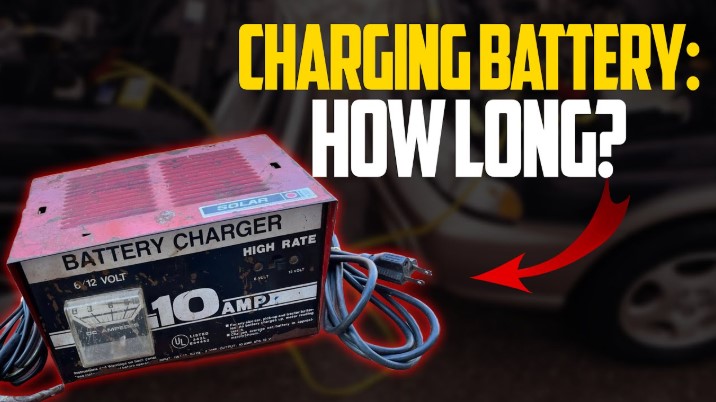
A dead or weak car battery can ruin even the best-planned day, especially if you have somewhere important to be. The time it takes to recharge a car battery depends on several factors such as the battery’s size, type, and the charging method used.
A standard 12-volt battery may need anywhere from 4 to 24 hours to reach a full charge, while advanced chargers can speed up the process significantly. Fast charging sounds convenient, but it can shorten the battery’s lifespan if done too often.
Knowing the right charging duration helps prevent damage, ensures reliability, and keeps your vehicle ready to go at all times. Understanding how long your car battery needs to recharge can save money, extend battery life, and prevent unexpected breakdowns.
The right approach guarantees consistent performance and gives your car the energy it needs to start strong every time.
A car battery powers everything from your headlights to the ignition system. Without it, your vehicle won’t even start. Sometimes, a battery loses charge because of leaving the lights on, extreme cold, or an old charging system.
Knowing how long it takes to recharge a car battery helps you plan repairs and avoid replacing it too soon. The time it takes depends on the charger type, the battery’s condition, size, and how deeply it’s discharged.
Let’s explore each factor step by step and understand how to safely and efficiently recharge your car battery.
How Long to Recharge Car Battery?
Most car batteries take 4 to 24 hours to recharge fully, depending on the charger’s power output and the level of discharge.
-
A mildly discharged battery might take 4 to 6 hours.
-
A completely drained battery could need 10 to 24 hours or more.
Charging slowly and steadily helps the battery last longer. Fast charging may save time but can generate heat and shorten battery life.
Types of Chargers and Charging Times

The type of charger you use makes a big difference. Each charger works differently and suits different situations.
1. Trickle Charger
A trickle charger supplies a low, constant current usually around 1 to 2 amps. It’s perfect for maintaining charge over long periods.
-
Charging Time: 24 to 48 hours for a fully drained battery
-
Use Case: Ideal for vehicles stored for weeks or months
-
Advantage: Prevents overcharging by maintaining safe current flow
-
Drawback: Too slow for emergency use
2. Standard Charger
A standard charger delivers medium current (4 to 10 amps). It’s the most common choice for regular charging at home.
-
Charging Time: 6 to 10 hours for a typical 12-volt car battery
-
Use Case: Routine charging and battery recovery
-
Advantage: Safe balance between speed and battery health
-
Drawback: Needs manual monitoring on older models
3. Fast Charger
A fast charger pushes a high current (15–30 amps) and can recharge a weak battery quickly.
-
Charging Time: 1 to 3 hours for a low battery
-
Use Case: Emergency situations or roadside recovery
-
Advantage: Quick and convenient
-
Drawback: Generates heat that may damage battery plates if used too often
4. Smart Charger
A smart charger automatically adjusts current and voltage according to the battery’s condition.
-
Charging Time: 4 to 8 hours on average
-
Use Case: Safe, modern charging option for all vehicles
-
Advantage: Automatically stops when full, preventing overcharging
-
Drawback: Higher cost than traditional chargers
5. Alternator (While Driving)
Your car’s alternator charges the battery during driving. It converts engine power into electrical energy.
-
Charging Time: 30 minutes to 1 hour of highway driving may bring a weak battery back to about 80%
-
Use Case: Recharging slightly drained batteries
-
Advantage: Automatic and efficient
-
Drawback: Not suitable for completely dead batteries
Factors That Affect Charging Time
Several factors influence how long a battery needs to recharge. Understanding them helps you choose the right method and avoid damage.
1. Battery Size and Capacity
Car batteries come in different capacities measured in amp-hours (Ah). A larger battery with a 70Ah rating takes longer to charge than a 45Ah battery.
Example:
A 10-amp charger can recharge a 50Ah battery in about 5 hours, while the same charger may take 7 hours for a 70Ah battery.
2. Battery Age and Health
Older batteries or those with internal corrosion charge more slowly. If your battery struggles to hold power even after charging, it might be nearing the end of its lifespan.
3. Depth of Discharge
A battery that’s only 50% discharged charges much faster than one that’s fully dead. The deeper the discharge, the longer it takes to restore full power.
4. Temperature Conditions
Extreme cold slows down the chemical reactions inside a lead-acid battery. Charging in cold weather may take twice as long. Charging works best in mild temperatures around 20–25°C (68–77°F).
5. Charger Power Output
Higher amperage means faster charging. A 2-amp charger is slow but gentle, while a 20-amp charger is fast but risky for long use. Matching your charger’s output with your battery’s needs is essential.
How to Check Charging Progress?
A simple voltmeter or multimeter can help you measure voltage.
-
12.6–12.8 volts: Fully charged
-
12.4 volts: About 75% charged
-
12.2 volts: Half charged
-
12.0 volts or lower: Needs charging
Smart chargers often include indicator lights or digital displays to show progress and stop automatically at full charge.
Step-by-Step Guide to Safely Recharge Your Car Battery
-
Turn off the ignition and remove keys.
-
Connect the positive (+) charger clip to the battery’s positive terminal.
-
Attach the negative (–) clip to a metal part of the car frame, not directly to the battery.
-
Set the correct voltage and current on the charger.
-
Turn on the charger and let it run until the indicator shows full charge.
-
Turn off the charger before removing the cables.
-
Inspect the battery for leaks, corrosion, or swelling after charging.
Tips for Maintaining a Healthy Battery
-
Drive your car regularly for at least 20–30 minutes per trip.
-
Keep terminals clean and free of corrosion.
-
Avoid leaving lights or accessories on when parked.
-
Store your car in a garage or use a trickle charger during long breaks.
-
Check battery voltage once a month to catch early signs of weakness.
FAQs
Q1: Can I charge a car battery without disconnecting it from the car?
Yes, you can. Most modern chargers are safe for in-car charging. Just make sure the ignition is off.
Q2: How long should I leave a trickle charger on my battery?
A trickle charger can stay connected for days or weeks. It maintains the charge without overcharging.
Q3: Can a car battery charge while idling?
Yes, but slowly. Idling produces less power than driving at higher speeds. It’s better to drive for 30–60 minutes to charge faster.
Q4: What if my battery won’t charge at all?
That may mean the battery is too old or damaged. Check for cracks, swelling, or corrosion. Replacement might be necessary.
Q5: Is it safe to use a fast charger often?
Fast chargers should only be used in emergencies. Constant use can cause overheating and shorten battery life.
Conclusion
Recharging a car battery takes anywhere from one hour to an entire day, depending on charger type, battery size, and condition.
Slow charging is safest for battery health, while fast charging helps only in urgent cases.
Keeping your battery charged, clean, and well-maintained prevents most starting problems. A little care and routine checking ensure your car runs smoothly every day.