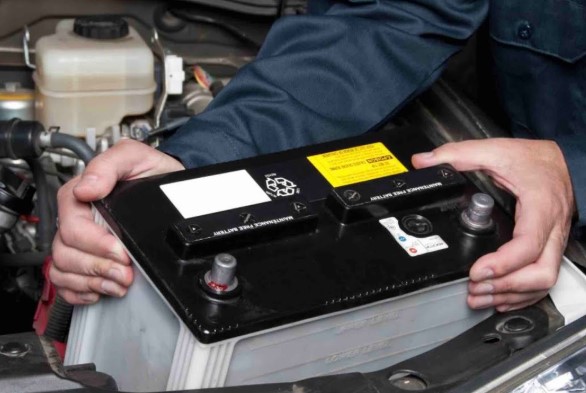
A car battery does more than just start your engine it fuels the entire electrical system that keeps your vehicle running smoothly. Every light, radio, and sensor relies on the amps stored within that compact box under the hood.
The average car battery delivers between 550 and 1,000 amps, depending on the vehicle type and battery size. Understanding these numbers helps you choose the right battery, prevent electrical issues, and ensure reliable performance in any season.
Cold mornings or hot summer drives can put serious stress on your battery, so knowing its amp rating gives you an edge in keeping your car dependable.
The amps represent how much power your battery can supply at once, and that knowledge can save you from unexpected breakdowns or weak starts. Learning what those amps mean turns battery maintenance from a mystery into a simple part of smart car care.
How Many Amps Is a Car Battery?
A car battery does far more than start the engine. It runs lights, powers your radio, supports safety systems, and even backs up modern electronics when the engine is off.
Every battery stores and releases electrical energy, but its true strength lies in its amps. Knowing how many amps your car battery has helps you understand its power, how it performs in cold weather, and when it might need replacement.
Many drivers see the 12-volt label and assume that’s all they need to know, but voltage and amperage are two different things.
Voltage tells how much pressure the electricity has, while amps tell how much flow the battery can provide. Both matter for a reliable start and smooth performance.
What Are Amps in a Car Battery?
Amps (short for amperes) measure the amount of electrical current a battery can deliver. Think of it like water running through a hose. The voltage is the pressure pushing the water, and the amps are how much water actually flows through.
In a car, amps determine how much energy can move from the battery to the starter motor and electrical systems at one time. The stronger the current, the easier it is to turn over the engine and power devices.
Most standard car batteries produce between 550 and 1000 amps. The exact number depends on the battery’s design, size, and purpose.
Types of Amp Ratings You’ll See on a Car Battery
Every car battery has multiple ratings related to amps. The most common are Cold Cranking Amps (CCA), Cranking Amps (CA), and Reserve Capacity (RC). Each one measures a different part of battery performance.
1. Cold Cranking Amps (CCA)
Cold Cranking Amps measure how many amps the battery can deliver for 30 seconds at 0°F (-18°C) while maintaining at least 7.2 volts. This test shows how well the battery performs in cold weather.
Cold affects chemical reactions inside the battery, slowing them down and reducing power output. A high CCA rating means the battery can deliver strong power even in freezing temperatures.
-
Small cars often have batteries around 400–600 CCA.
-
Mid-size vehicles may use 600–750 CCA batteries.
-
Trucks, SUVs, and diesel vehicles may need 800–1000 CCA or more.
Drivers in northern or cold climates benefit from higher CCA ratings to avoid sluggish starts in winter.
2. Cranking Amps (CA)
Cranking Amps are measured at 32°F (0°C), not freezing temperatures. This rating is always slightly higher than CCA because batteries perform better in warmer conditions.
For example, a battery rated at 600 CCA may have about 750 CA. The CA number gives a good idea of how much current the battery can produce under normal temperatures.
3. Reserve Capacity (RC)
Reserve Capacity tells how long the battery can supply a constant current of 25 amps before voltage drops below 10.5 volts. This is measured in minutes.
RC matters if your alternator fails or if the engine is off while accessories are running. It shows how long the battery can keep essential electronics powered, such as headlights or the car’s computer system.
Typical RC ratings:
-
Small car battery: 60–90 minutes
-
Mid-size car battery: 90–120 minutes
-
Truck battery: 120–150 minutes or more
A higher RC gives more backup time in case of charging system failure.
How Many Amps Does a Car Battery Really Have?

A typical 12-volt car battery can deliver:
-
400–600 amps for compact and small cars
-
650–800 amps for sedans and SUVs
-
800–1000 amps for diesel engines or large trucks
Inside, the battery stores energy through lead plates and an electrolyte solution. When the engine starts, the battery releases a burst of high current to power the starter motor.
Once the engine runs, the alternator takes over and recharges the battery. Even though the car battery provides hundreds of amps for short bursts, it doesn’t deliver that much continuously.
The average continuous draw while driving is much lower, often around 20–50 amps, depending on what systems are running (headlights, A/C, infotainment, etc.).
Understanding Amp Hours (Ah)
Amp Hours show how much current the battery can supply over time. For example, a 70Ah battery can provide 70 amps for one hour, or 35 amps for two hours, before dropping below usable voltage.
Amp Hours are common on deep-cycle batteries (used in boats or RVs) but not always listed on standard car batteries. Still, it helps understand the battery’s total capacity.
Typical ratings:
-
Standard car battery: 40–70Ah
-
Large vehicle battery: 70–100Ah
Why Battery Amps Matter?
-
Cold Starts – A higher amp rating helps your engine start faster in freezing temperatures.
-
Electrical Load – Modern cars have more electronics screens, sensors, and control units. These require strong, steady current.
-
Longevity – A battery with enough amps won’t strain as much, leading to a longer lifespan.
-
Safety – Sufficient amps reduce the chance of voltage drops that can cause stalling or system resets.
How to Measure Car Battery Amps?
You can test battery amps using a digital multimeter or a battery load tester.
Steps:
-
Turn off the ignition and all electrical accessories.
-
Connect the red (positive) probe to the positive terminal.
-
Connect the black (negative) probe to the negative terminal.
-
Read the result on the meter.
A healthy 12-volt battery should show around 12.6 volts when fully charged. If the voltage drops below 12.2 volts, the battery may be weak.
To measure amps directly, a battery tester applies a load and checks if the battery maintains proper current flow.
How Temperature Affects Battery Amps?
Cold weather lowers a battery’s ability to produce amps because chemical reactions slow down. Heat, on the other hand, speeds up reactions but also causes faster wear.
Cold Climate Tips:
-
Use a battery with higher CCA.
-
Keep the battery fully charged in winter.
-
Park indoors or use a battery blanket to stay warm.
Hot Climate Tips:
-
Check electrolyte levels (for non-sealed batteries).
-
Keep the battery terminals clean and corrosion-free.
-
Avoid overcharging, as heat accelerates fluid loss.
Signs of Low Battery Amps
-
Engine cranks slowly or won’t start.
-
Dim headlights or flickering dashboard lights.
-
Electrical systems reset after starting.
-
Battery warning light stays on.
-
You need frequent jump-starts.
Low amps often mean the battery can’t deliver enough power. Testing it early prevents breakdowns.
Maintaining Strong Battery Performance
-
Drive regularly to allow the alternator to recharge the battery.
-
Clean the terminals using baking soda and water to prevent corrosion.
-
Secure the battery to reduce vibration damage.
-
Avoid deep discharge — don’t keep running electronics with the engine off.
-
Check battery health every 6 months.
A well-maintained battery lasts about 3–5 years depending on climate and driving habits.
FAQs
1. How many amps does a standard 12-volt battery have?
Most car batteries range between 550 to 1000 amps, depending on size and engine type.
2. What’s the best amp rating for cold weather?
Batteries with 750 CCA or more perform best in cold climates.
3. Can I use a battery with higher amps than recommended?
Yes, higher amps won’t harm your vehicle. It simply gives better starting power and longer reliability.
4. How can I know if my battery’s amps are dropping?
Slow starts, dim lights, or frequent jump-starts are signs of weak amps. Testing with a load tester confirms the issue.
5. Why does a battery lose amps over time?
Aging, corrosion, poor charging, and extreme temperatures slowly reduce the chemical efficiency that creates electrical flow.
6. Is CCA the same as total amps?
No. CCA measures short-term starting power, while total amps depend on battery capacity and design.
Conclusion
A car battery’s amps reveal how strong and reliable it truly is. Standard 12-volt batteries usually deliver 550 to 1000 amps, depending on vehicle size and climate needs. High amps mean faster starts, better performance, and fewer electrical issues.
Knowing your battery’s amp rating helps you choose wisely, prepare for weather changes, and maintain a healthy electrical system. A strong battery ensures your car starts every time no matter the season.