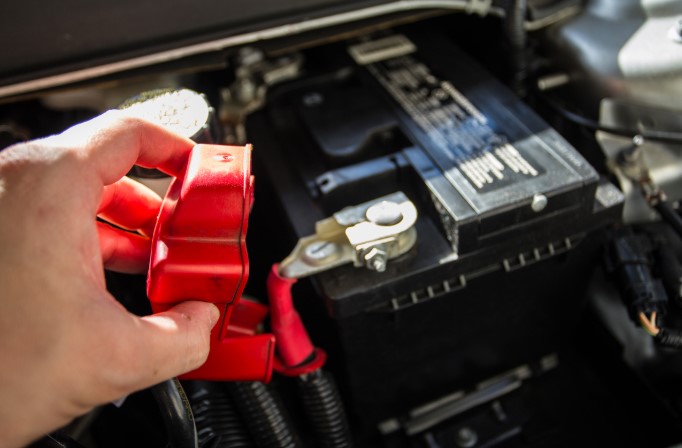
A car battery is the heart of your vehicle’s electrical system, and replacing it can catch many drivers off guard. The cost depends on several factors, including battery type, brand, and vehicle requirements.
Standard lead-acid batteries usually fall between $70 and $200, while premium AGM or lithium-ion options can exceed $300. Luxury and electric vehicles often require specialized batteries that cost even more.
Labor fees may add another $20 to $100 if a professional handles the replacement. Investing in a quality battery saves frustration on cold mornings and prevents unexpected breakdowns. Prices can also vary based on warranty coverage, climate, and local supply.
Knowing the average price range helps plan ahead and avoid overpaying. Before heading to the store, check your owner’s manual and compare prices from trusted retailers like AutoZone, Advance Auto Parts, or Costco for the best deal.
How Much Does a New Car Battery Cost?
A car battery is one of the most important parts of any vehicle. It powers the engine start, lights, dashboard, and every electrical feature inside. Without a working battery, even the best car won’t move an inch.
Drivers often get surprised when their car suddenly refuses to start, only to learn the battery has died. Understanding how much a new car battery costs helps you prepare ahead and make a smart choice instead of rushing for the first available option.
The price depends on the type of battery, your car model, and even the weather where you live. Let’s explore these details step by step to help you find the right balance between price, quality, and performance.
Average Cost of a New Car Battery
The cost of a new car battery can range from $70 to over $300, depending on several factors. For electric or hybrid vehicles, the cost can go far beyond that.
Here’s a breakdown:
| Battery Type | Typical Price Range | Common Vehicles |
|---|---|---|
| Standard Lead-Acid | $70 – $150 | Sedans, compact cars |
| AGM (Absorbed Glass Mat) | $150 – $300 | SUVs, luxury cars, start-stop systems |
| Lithium-Ion (Hybrid/Electric) | $1,000 – $5,000+ | EVs and hybrid vehicles |
A standard lead-acid battery is usually enough for small and mid-size cars. It’s affordable and easy to replace.
AGM batteries are more advanced and can handle heavy electrical loads, like heated seats, navigation systems, and start-stop engines. Electric vehicle batteries are the most expensive since they power the entire car.
What Affects the Price of a Car Battery?
1. Battery Type and Technology
The most basic factor is the battery’s design.
-
Lead-Acid Batteries: Cheapest and reliable, but require regular checks for corrosion.
-
AGM Batteries: Sealed, maintenance-free, and handle more power demand. Perfect for modern vehicles with high electronics usage.
-
Lithium-Ion Batteries: Found in electric and hybrid cars, built with advanced cells that deliver long life and high energy output.
Each type serves different needs, and that’s why prices vary so much.
2. Vehicle Make and Model
The battery size and design must match your car’s power system. A small car like a Toyota Corolla needs less power than a large pickup truck like a Ford F-150.
Larger engines need more cranking power, which means a bigger and stronger battery. Luxury vehicles or those with complex electrical systems often need batteries designed for their brand, which costs more.
3. Cold Cranking Amps (CCA)
CCA is a key rating for car batteries. It measures how well the battery can start your car in cold weather.
Cars in colder regions need higher CCA batteries. Higher CCA batteries cost more but start engines faster and more reliably during freezing temperatures.
4. Reserve Capacity (RC)
Reserve capacity tells you how long the battery can run essential systems if the alternator fails.
A higher RC battery gives more backup time but also raises the price. It’s useful for people who drive long distances or in remote areas.
5. Brand Reputation
Top brands such as Interstate, Optima, DieHard, Bosch, and Duralast offer strong warranties and dependable quality.
These brands often cost more but provide longer battery life and better performance. Unknown brands may save a few dollars upfront but can fail sooner, leading to extra costs later.
6. Warranty Coverage
Battery warranties usually range from 24 to 60 months. A longer warranty often means a better-quality product.
Paying more for a battery with a longer warranty can actually save money if it lasts longer or if you can get a free replacement within the warranty period.
7. Local Climate
Batteries wear out faster in extreme heat or cold. In hot areas, the fluid inside batteries evaporates quicker, while in cold regions, batteries lose charge faster.
Drivers in these climates may need premium batteries designed to resist weather damage, which cost more.
Battery Installation Cost
Battery replacement is simple in many cars but not in all. Most repair shops charge between $20 and $100 for installation.
Some cars have batteries hidden under seats, behind panels, or deep inside the engine bay, making the job harder and increasing labor costs.
Many auto stores such as AutoZone, Advance Auto Parts, or Walmart often install the battery for free if you buy it from them. Always ask about installation before purchasing to avoid extra costs.
Signs You Need a New Car Battery

A failing battery usually gives some warnings before dying completely. Common signs include:
-
Slow or rough engine start
-
Dim or flickering headlights
-
Clicking sound when turning the key
-
Electrical features not working properly
-
Battery warning light on the dashboard
-
Visible corrosion or swelling on the battery
Testing your battery every six months helps you catch problems early and avoid getting stranded.
Tips to Extend Battery Life
Proper maintenance can make your battery last longer and save money.
-
Keep battery terminals clean and free from corrosion.
-
Drive your car often to keep the battery charged.
-
Turn off lights and electronics when the engine is off.
-
Check your alternator regularly to ensure proper charging.
-
Secure the battery tightly to avoid vibration damage.
With care, a battery can last four to five years before needing replacement.
How to Choose the Right Battery?
Finding the right battery is not just about price. Here’s what to check:
-
Correct size: Always match the battery group size for your vehicle model.
-
Right power rating: Pick one with enough CCA and RC for your climate.
-
Trusted brand: Choose from known manufacturers with good warranty service.
-
Date of manufacture: Always buy a fresh battery. Check the date code on the label; newer is better.
Buying from a reliable shop also ensures you get a genuine product instead of a reconditioned one.
FAQs
1. How long does a car battery last?
A typical car battery lasts between 3 to 5 years. Hot weather, short trips, and heavy use of electronics can shorten that lifespan.
2. Can I replace a car battery by myself?
Yes, for most cars it’s simple. You only need a wrench and some basic care. But some vehicles with sensitive electronics may need a technician to reset the system.
3. What affects battery lifespan the most?
Extreme weather, frequent short drives, poor charging systems, and lack of maintenance all reduce battery life.
4. Does it matter where I buy a car battery?
Yes. Buying from a trusted store ensures quality, warranty support, and sometimes free installation.
5. Can an old battery damage my car?
Yes. A weak battery can cause voltage drops that harm your alternator or computer systems.
6. Are more expensive batteries worth it?
Usually yes. They last longer, handle higher power demands, and include better warranties, saving money in the long run.
Conclusion
A new car battery usually costs between $70 and $300, while premium or electric vehicle batteries cost much more. The exact price depends on the battery type, size, brand, and features like CCA and reserve capacity.
Spending a bit more on a reliable battery is often worth it since it provides better performance and peace of mind. Keeping your battery clean, checking it often, and replacing it on time helps your car stay dependable every day.