A dead car battery can stop your day before it even begins, leaving you stranded and frustrated. Understanding the real cost of a car battery helps you plan ahead and avoid surprises at the auto shop.
Prices vary depending on the vehicle type, battery brand, and power capacity. Standard car batteries typically range between $100 and $250, while premium or electric vehicle batteries can climb much higher.
Labor charges for installation may add another $20 to $100, depending on the service center. Choosing a high-quality battery often saves money in the long run by providing better performance and a longer lifespan.
Factors like weather conditions, driving habits, and maintenance also influence how often replacement becomes necessary. A clear understanding of these costs ensures smart budgeting and dependable vehicle performance year-round.
How Much Does It Cost for a Car Battery?
A car battery does more than just start the engine. It powers the lights, air conditioning, dashboard, and every electrical part in your car. Without a healthy battery, your vehicle won’t move an inch.
Every car owner faces the time when a replacement becomes necessary. Prices can feel confusing because car batteries come in many types and sizes. Some cost under $100, while others go above $400.
Understanding what affects the cost helps you make a smart decision. Let’s explore the full details of how much a car battery costs, what affects the price, and how you can save money while getting the right one for your vehicle.
Average Cost of a Car Battery
Most car batteries cost between $70 and $250, but this range can go higher depending on your car’s type and battery features.
Here’s a breakdown of average prices by category:
| Battery Type | Average Price Range (USD) | Typical Use |
|---|---|---|
| Standard Lead-Acid Battery | $70 – $120 | Small to mid-size cars |
| AGM (Absorbent Glass Mat) Battery | $150 – $250 | Modern vehicles with start-stop systems |
| Gel Cell Battery | $150 – $300 | Motorcycles, RVs, and special vehicles |
| Lithium-Ion Battery | $200 – $400+ | Hybrid and electric cars |
| Premium or High-Performance Battery | $250 – $500+ | Sports and luxury vehicles |
A standard lead-acid battery works fine for most cars, while advanced types like AGM or lithium-ion offer better performance, longer life, and improved resistance to temperature changes but they cost more.
Factors That Affect Car Battery Cost

1. Battery Type and Technology
Not all batteries are made the same.
-
Lead-acid batteries are the traditional choice. They are affordable but require more maintenance.
-
AGM batteries are built for modern cars with higher power demand, like those with start-stop technology. They deliver better performance and need no maintenance.
-
Lithium-ion batteries are common in hybrid and electric vehicles. They are light, powerful, and last longer, but they also come at a much higher price.
2. Vehicle Type and Power Needs
A compact car uses a smaller battery than a large SUV or pickup truck. Vehicles with powerful engines, heated seats, or entertainment systems need stronger batteries. The higher the power requirement, the more expensive the battery.
3. Brand and Quality
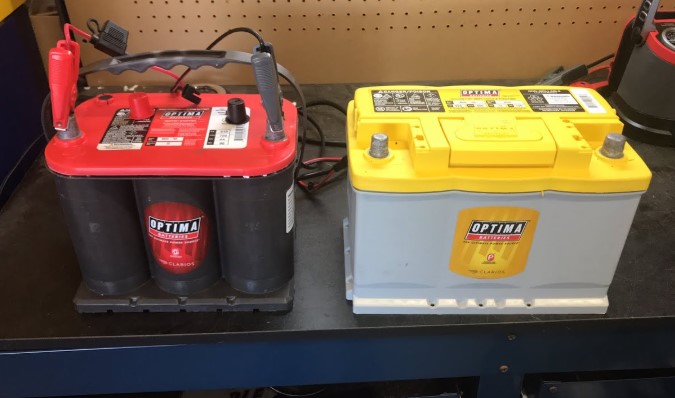
Brand reputation matters. Leading names such as Interstate, Optima, DieHard, Bosch, and ACDelco often charge more because they use high-quality materials and offer better warranties. Cheaper or lesser-known brands can save you money upfront but may not last as long.
4. Cold Cranking Amps (CCA)
CCA measures how well a battery can start your car in cold weather. Higher CCA means more starting power in low temperatures. If you live in a cold region, you’ll need a battery with higher CCA, which usually costs more.
5. Reserve Capacity (RC)
RC shows how long a battery can supply power if the alternator fails. A longer reserve capacity means better reliability. Premium batteries with higher RC ratings come at a higher cost.
6. Warranty Length
A longer warranty usually means a higher price but more protection for your money. Most batteries come with warranties between 2 and 5 years.
7. Installation and Service Fees
Labor costs depend on where you buy and install the battery.
-
Auto parts stores: Some like AutoZone or Advance Auto Parts offer free installation.
-
Repair shops: Installation may cost between $20 and $75.
-
Dealerships: May charge $100 or more, depending on the vehicle model.
Extra Costs to Consider
Beyond the battery price, there may be other related costs:
-
Battery testing: Usually free or under $20.
-
Battery disposal fee: Some states or shops charge a recycling fee, often between $5 and $15.
-
Memory saver: Needed for some vehicles to protect settings during replacement. Can add another $10–$25.
How to Tell Your Car Battery Needs Replacement?
A weak battery shows warning signs before it dies completely. Watch out for these signs:
-
The engine takes longer to start.
-
Headlights or dashboard lights appear dim.
-
Electrical parts like power windows or radio act slow.
-
Corrosion or white buildup appears on terminals.
-
You hear a clicking sound when turning the key.
-
The battery is older than 3 to 5 years.
If these signs appear, it’s time to test or replace the battery before it fails completely.
Ways to Save Money on a Car Battery
-
Compare prices: Check different stores and online retailers.
-
Use promotions: Many auto shops offer seasonal discounts or free installation deals.
-
Trade in the old battery: You can get a small refund or “core charge” credit, usually around $10 to $20, when returning your old one.
-
Check your warranty: You might get a free or discounted replacement if it’s still under warranty.
-
Buy during sales: Major retailers often run deals during holidays or the winter season.
Maintenance Tips to Extend Battery Life
-
Keep terminals clean and free from corrosion.
-
Avoid leaving lights or electronics on after turning off the engine.
-
Drive your car regularly to keep the battery charged.
-
Check voltage regularly most healthy batteries show between 12.4 to 12.7 volts.
-
Park in a shaded or covered area to avoid extreme heat.
A few simple habits can help your battery last longer and save money in the long run.
FAQs
1. How long does a car battery last?
Most car batteries last 3 to 5 years, depending on driving habits, climate, and battery quality.
2. Can I replace a car battery by myself?
Yes, you can if you’re comfortable with basic tools. Always wear gloves and disconnect the negative terminal first.
3. Does cold weather affect battery life?
Yes. Low temperatures reduce the battery’s ability to hold a charge, making it harder to start your car.
4. What’s the best car battery brand?
Reliable options include Optima, Interstate, ACDelco, Bosch, and DieHard. The best brand for you depends on your budget and vehicle type.
5. How can I test my car battery?
You can use a multimeter or visit an auto parts store. Many stores offer free battery testing services.
Conclusion
The cost of a car battery depends on several factors type, vehicle model, brand, and features. Most drivers spend between $100 and $250 for a reliable replacement.
Spending a bit more for quality and warranty can save you from early failures. Regular care, smart buying, and timely replacement ensure your car stays dependable every day. A strong battery means a smooth start, bright lights, and worry-free driving.