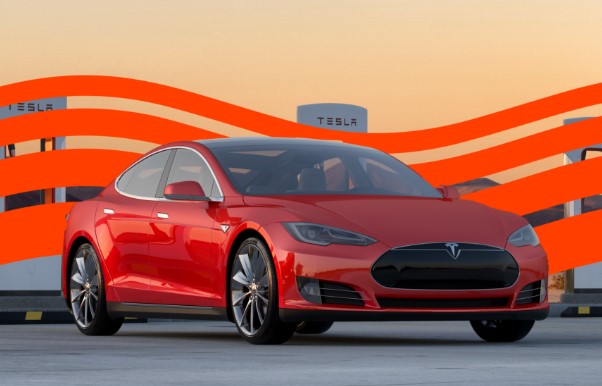
Tesla vehicles stand at the peak of electric innovation, yet their advanced batteries can raise serious questions about long-term costs. Replacing a Tesla battery isn’t a simple expense it’s a major investment that depends on the model, age, and service location.
A Model 3 or Model Y battery typically costs less to replace than the large packs inside the Model S or X, but every option still carries a hefty price tag. Labor, diagnostics, and regional service rates also influence the total bill, creating wide price variations.
Some drivers pay under $10,000, while others face replacement costs approaching $20,000 or more. Understanding these figures helps owners plan smartly for maintenance and warranty coverage.
Knowing the real numbers behind Tesla’s battery replacement gives a clearer picture of the long-term ownership experience and helps evaluate the true value of going electric.
How Much to Replace Tesla Battery?
A Tesla runs on electric power stored in a large, high-performance battery pack. This battery is the heart of the car, giving it the speed, range, and quiet drive that make Tesla popular.
Over time, though, every battery wears down. The capacity drops, range shortens, and one day, it may need to be replaced. Many Tesla owners worry about that cost and for good reason.
The price of a new Tesla battery is not small. Understanding the real replacement cost, what affects it, and how to make your battery last longer can save thousands in the long run.
Tesla Battery Replacement Cost Breakdown

Tesla battery replacement can cost anywhere from $12,000 to $25,000 or more.
The total price depends on the model, the size of the battery pack, labor costs, and whether it’s replaced at a Tesla service center or an independent shop.
Here’s a breakdown by model:
| Tesla Model | Estimated Replacement Cost |
|---|---|
| Model 3 | $12,000 – $16,000 |
| Model Y | $13,000 – $17,000 |
| Model S | $18,000 – $22,000 |
| Model X | $18,000 – $25,000 |
These numbers include both parts and labor. Labor alone usually costs $1,500 to $2,500, since the job takes many hours and requires special tools.
Tesla does not sell full battery packs directly to consumers. Replacement is done through their authorized service centers, ensuring the process follows strict safety and quality standards.
Why Tesla Batteries Are Expensive?
A Tesla battery pack contains thousands of small lithium-ion cells arranged in modules. These cells are not the same as regular rechargeable batteries they are built for high performance, long life, and safety.
Several factors make Tesla batteries costly:
-
Expensive materials: Lithium, nickel, cobalt, and graphite are key materials, and their market prices fluctuate.
-
Complex design: The battery pack includes sensors, wiring, and a cooling system to keep temperature stable.
-
Software management: Tesla uses advanced software to monitor health, prevent overheating, and manage charging.
-
Labor and safety: The process of removing and installing a battery requires trained technicians and safety precautions, adding to the cost.
Tesla’s design focuses on durability and efficiency, but it also increases the replacement expense.
Signs That a Tesla Battery May Need Replacement
A healthy Tesla battery performs well for years, but certain signs show it may be failing:
-
Range loss: Noticeable drop in driving range even after a full charge.
-
Slow charging: Charging takes longer than usual at Superchargers or home stations.
-
System warnings: On-screen alerts about “battery health” or “reduced power.”
-
Unexpected shutdown: Vehicle may power off suddenly or fail to start.
If any of these symptoms appear, a diagnostic test from Tesla or an EV specialist can confirm the issue.
Tesla Battery Lifespan and Warranty
Tesla builds batteries to last a long time generally between 300,000 and 500,000 miles, or about 8 to 15 years depending on use.
Real-world data shows many Teslas still perform well after 200,000 miles with minimal range loss.
Tesla’s official battery warranty:
| Model | Warranty Years | Mileage Limit | Coverage |
|---|---|---|---|
| Model 3 / Model Y | 8 years | 100,000–120,000 miles | 70% capacity retention |
| Model S / Model X | 8 years | 150,000 miles | 70% capacity retention |
If your battery loses more than 30% of its capacity or fails during this period, Tesla replaces it at no cost.
Can a Tesla Battery Be Repaired Instead of Replaced?
Not every battery issue requires a full replacement. In many cases, only one or two modules inside the battery pack are damaged.
Replacing these modules can fix the issue and costs much less usually $5,000 to $7,000.
But Tesla decides this after running diagnostic tests. If several modules are damaged, a full replacement is safer and more reliable.
Independent EV repair shops sometimes offer cheaper repair services, but they may not have Tesla-certified equipment or software access.
What Happens During Battery Replacement?
Replacing a Tesla battery is a careful, step-by-step process done by trained technicians.
Step 1: Inspection and Testing
The service center checks for faults using diagnostic tools. They confirm whether replacement or repair is needed.
Step 2: Battery Removal
Technicians lift the vehicle and disconnect high-voltage cables. The old battery pack is removed using heavy lifting equipment.
Step 3: New Battery Installation
A new or refurbished pack is installed and securely connected to the car’s systems.
Step 4: Software Calibration
Tesla updates the software and resets the system to match the new battery.
Step 5: Final Testing
The vehicle is tested for range, charging speed, and performance before being returned.
The process usually takes 1 to 3 days, depending on parts availability and location.
How to Extend Tesla Battery Life?
A few good habits can delay battery wear and keep it healthy for years:
-
Avoid full 100% charges often. Stop charging at 80% for daily driving.
-
Keep charge above 20%. Avoid letting the battery drain completely.
-
Use slower home charging. Level 2 charging is gentler than frequent Supercharging.
-
Park in cool or shaded areas. Heat speeds up battery aging.
-
Keep software updated. Tesla often releases updates that improve battery management.
-
Drive smoothly. Hard acceleration and braking cause extra heat and stress.
These habits can help your battery maintain better capacity and performance.
Refurbished vs New Tesla Battery
Some owners choose refurbished or used battery packs to save money. These options can cut the cost by 30%–40%, but they come with trade-offs:
-
Lower capacity: Used batteries may not hold charge like new ones.
-
Shorter warranty: Usually only 1 year or less.
-
Unknown history: It’s hard to know how much stress the old pack went through.
Buying from Tesla guarantees performance and safety, but third-party options can work for older vehicles with expired warranties.
Environmental Impact of Tesla Battery Replacement
Tesla recycles most of its old batteries through its recycling partners. Materials like lithium, cobalt, and nickel are recovered and reused. This process cuts down waste and lowers the need for new mining.
Tesla also designs batteries with recycling in mind, making it easier to disassemble and reuse parts in future production.
FAQs
1. How often does a Tesla need a new battery?
Most Tesla batteries last over 10 years before needing replacement.
2. Can a Tesla run with a bad battery module?
It can, but performance drops and the system may limit speed or range until repaired.
3. How much does Tesla charge for labor during replacement?
Labor costs usually fall between $1,500 and $2,500.
4. Can I replace the battery myself?
No. Tesla batteries run on high voltage and require expert handling for safety.
5. Does insurance cover battery replacement?
Insurance may cover battery damage from accidents or water, but not regular wear or aging.
6. What happens to my old Tesla battery?
Tesla sends it to a recycling center where useful materials are recovered and reused.
Conclusion
A Tesla battery replacement is one of the most expensive maintenance jobs for an electric car, often costing between $12,000 and $25,000. The price depends on the model, the battery’s condition, and the repair location.
Tesla batteries are built to last many years and hundreds of thousands of miles, so full replacements are rare. Regular care, smart charging habits, and mild driving can stretch battery life far beyond warranty limits.
Understanding these costs and practices helps every Tesla owner stay prepared for the future while keeping their car running strong and efficient for years to come.