A dead car battery can turn any day into a frustrating one, especially when you have somewhere important to be. Understanding how to charge your car battery with a charger saves time, money, and stress.
The process is straightforward once you know the right steps and safety precautions. A reliable charger brings your vehicle back to life without the need for roadside assistance or a tow. Proper charging not only restores power but also extends the overall life of your battery.
Every driver should know how to connect a charger, set the correct mode, and monitor the charging process safely. A little preparation prevents long waits and costly replacements.
This guide walks through each step clearly, helping you recharge your battery confidently and keep your car ready for the road at all times.
How to Charge a Car Battery with a Charger?
A dead car battery can happen to anyone. Maybe the headlights were left on overnight or the battery just got too old to hold power. A simple charger can bring it back to life without needing a mechanic or jumper cables.
Charging a car battery is not as hard as it sounds. The key is to use the right tools, follow the right order, and give it enough time to charge safely.
A car battery is like the heart of your vehicle it gives power to the engine, lights, and electronics. Without it, the car won’t start.
Understanding how to charge it correctly can save you from being stranded, especially in cold weather. This guide explains each step in clear detail so even beginners can handle it safely and confidently.
Understanding Your Car Battery

Before charging, it helps to know what kind of battery your car has. Most vehicles use a 12-volt lead-acid battery, which includes two main types:
-
Flooded (wet-cell) batteries: Found in most cars. They need occasional maintenance and can spill if tilted.
-
Sealed (maintenance-free) batteries: Also called AGM (Absorbent Glass Mat) or Gel batteries. These don’t require water refills and charge faster.
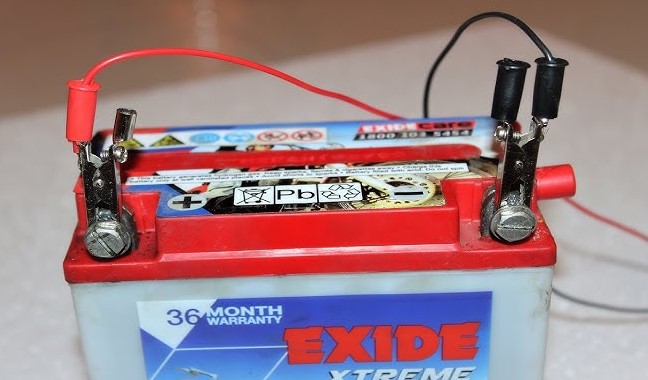
Every battery has positive (+) and negative (-) terminals. Electricity flows between these points, so connecting the charger properly is very important.
Step 1: Gather the Right Tools
You don’t need a full workshop to charge a battery. Just a few simple tools:
-
A quality battery charger – Make sure it supports 12V batteries and has smart charging features if possible.
-
Safety gear – Gloves and glasses protect against sparks and acid.
-
A clean cloth and baking soda mixture – Useful for cleaning corrosion or dirt.
Keep metal jewelry or watches away during the process. Metal can cause sparks if it touches the battery terminals.
Step 2: Prepare the Vehicle and Battery
Park your car in a well-ventilated area and away from open flames. Batteries release hydrogen gas while charging, and that gas can be flammable.
Turn off the engine and remove the key. Switch off all electronics radio, air conditioning, and lights. Open the hood and locate the battery.
Inspect the terminals. White or green powder on them means corrosion. Mix baking soda with water and scrub gently with a toothbrush. Clean terminals allow smoother current flow and help the charger work better.
Step 3: Connect the Charger Correctly
Check the charger’s manual first because different chargers have slightly different connection methods. Most follow these basic steps:
-
Identify the terminals: Positive (+) is usually red, Negative (-) is usually black.
-
Attach the red clamp to the positive terminal.
-
Attach the black clamp to the negative terminal.
Make sure the clamps are tight and not touching each other. Loose or touching clamps can cause short circuits or sparks.
If your car has a remote negative terminal (some newer models do), connect the negative clamp there instead of directly to the battery. It’s safer and helps avoid sparking near the battery.
Step 4: Set the Charger
Chargers come with different modes and settings. Understanding them helps protect the battery:
-
Voltage Setting: Select 12 volts for most car batteries.
-
Charge Rate: Choose between “slow” (2-10 amps) and “fast” (10+ amps).
-
A slow charge (also called trickle charging) is gentler and better for battery life.
-
A fast charge is useful if you need the car running soon but can heat up the battery.
-
Some smart chargers detect battery type automatically. They also stop charging when the battery reaches full power, preventing overcharging.
Step 5: Start Charging
Plug the charger into the wall outlet after you’ve double-checked the connections. Turn it on and look at the indicator lights or display. Most chargers show charging progress in percentage or voltage.
The time it takes to charge depends on battery size and condition:
-
Slightly drained battery: 2–4 hours
-
Nearly dead battery: 8–12 hours
-
Deep cycle or large batteries: Up to 24 hours
Avoid disconnecting too soon. A slow, full charge restores both the battery’s voltage and capacity. Charging halfway only gives temporary results.
During charging, make sure the area stays ventilated and don’t leave flammable materials nearby.
Step 6: Disconnect Safely
Once the charger shows full charge or the light turns green, turn off the charger before removing the clamps.
Follow this order to disconnect:
-
Remove the black (negative) clamp first.
-
Then remove the red (positive) clamp.
Unplug the charger from the wall afterward. Doing this in the right order prevents sparks or shocks.
Finally, close the hood and start the car. The engine should start easily. Let it idle for a few minutes to stabilize the battery charge.
How to Know Your Battery Is Fully Charged?
A fully charged battery should read 12.6 to 12.8 volts on a voltmeter. You can also check visually:
-
The charger’s indicator turns green or says “Full.”
-
The battery no longer feels warm.
-
The car starts easily and lights shine bright.
If the voltage stays below 12 volts even after hours of charging, the battery may be old or damaged.
Extra Battery Care Tips
-
Drive your car regularly. Short trips can drain the battery faster than long ones.
-
Turn off lights, radio, and AC before shutting down the engine.
-
Check the terminals monthly for corrosion or looseness.
-
Keep the battery clean and dry. Moisture causes power leakage.
-
Avoid extreme heat or cold whenever possible.
A little maintenance keeps your battery strong and reliable for years.
FAQs
1. Can a completely dead battery be recharged?
Yes, but only if it still holds some voltage. If it’s been sitting dead for too long, it may not recover.
2. Is it safe to charge a battery overnight?
Yes, if you use a smart charger. It automatically stops charging when full.
3. How often should I charge my car battery?
Regular driving keeps it charged. If your car sits for weeks, use a trickle charger every few weeks.
4. Can I charge a battery inside my garage?
Yes, but keep the garage door open or the area ventilated to avoid gas buildup.
5. Does temperature affect charging?
Cold weather slows down charging. Warm but not hot temperatures work best.
Conclusion
Charging a car battery with a charger is simple, safe, and practical once you understand the basics. A careful approach prevents damage and saves money on replacements.
Clean terminals, correct connections, and slow charging make all the difference. Keep your charger handy and check your battery’s health often. With a bit of care, your car will always be ready to start no surprises, no stress.