A car battery powers every essential system under the hood, from ignition to lighting. Disconnecting it the right way prevents electrical damage, accidental shocks, and costly repairs.
Many car owners face issues such as corrosion, drained batteries, or electrical resets, making it necessary to detach the battery safely before performing maintenance. The process might sound intimidating, but it’s actually quite straightforward with the right steps and precautions.
A few tools and a clear understanding of terminal connections make all the difference between a smooth disconnection and a frustrating one. This guide breaks down the process step-by-step, ensuring your safety and protecting your vehicle’s electrical components.
Learn how to identify the right tools, handle terminals properly, and store your battery with care. Take control of your car’s maintenance confidently and keep every connection clean, secure, and ready for your next drive.
How to Disconnect a Car Battery?
A car battery powers everything from the ignition to the headlights and even your car’s computer system. At times, disconnecting the battery becomes necessary.
Maybe you need to replace it, clean corroded terminals, or do electrical repairs. Whatever the reason, understanding how to do it correctly keeps you safe and protects the vehicle’s system.
The process is not complicated, but it requires patience, the right tools, and attention to detail. This guide explains each step clearly so you can disconnect your car battery without stress or mistakes.
Why You Might Need to Disconnect a Car Battery?
Before learning the steps, understand why disconnecting the battery is important. Here are some common reasons:
-
Battery Replacement: Old or weak batteries lose charge quickly and need to be replaced.
-
Electrical Work: Disconnecting the battery prevents accidental short circuits during repair.
-
Storage: Cars parked for months can lose battery charge; disconnecting it prevents drainage.
-
Corrosion Cleaning: Removing the cables allows better cleaning of rust and acid buildup on terminals.
-
Resetting Electronics: Some engine codes or computer glitches clear out after a power reset.
Knowing your reason helps you prepare for what comes next.
Tools and Safety Gear You’ll Need
Gather the right tools before starting. Preparation avoids mistakes and keeps your work smooth.
Tools:
-
A wrench or socket set (usually 10mm or 12mm fits most battery terminals)
-
A pair of safety gloves
-
Safety glasses
-
A rag or cloth
-
Baking soda and water mixture (for cleaning corrosion)
-
Plastic zip ties or tape (for holding cables aside)
Safety Gear Tips:
Use gloves to protect your hands from acid and dirt. Safety glasses keep your eyes safe from sparks or debris. Keep all metal jewelry away while working rings, watches, or bracelets can cause electric shock.
Step-by-Step Guide to Disconnecting a Car Battery
Step 1: Park Safely and Power Down
Park your car on a flat surface and engage the parking brake. Switch off the ignition and remove the key. Make sure all lights, music, and accessories are off.
Wait at least five minutes for the car’s systems to completely shut down. Open the hood and secure it with the support rod. Avoid leaning tools or metal parts near the battery area.
Step 2: Locate the Battery and Identify Terminals
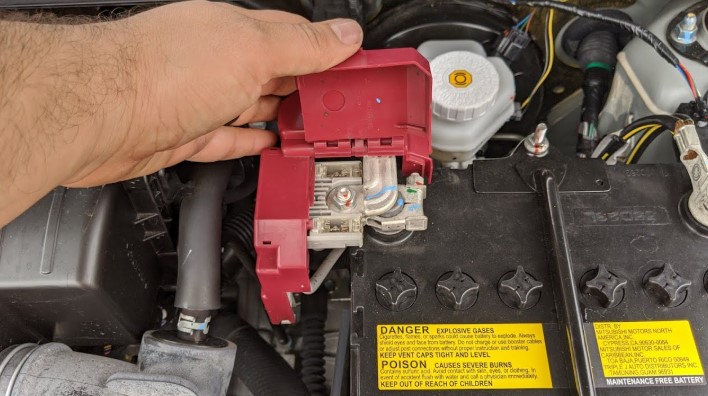
The battery sits under the hood, often near the front or one corner of the engine bay. Some models may place it under a plastic cover lift or unclip that carefully.
Once visible, find the two terminals:
-
Negative terminal (-): Usually black, marked with a minus sign.
-
Positive terminal (+): Usually red, marked with a plus sign.
Remember this: Negative first, Positive last. This order matters for your safety.
Step 3: Disconnect the Negative Cable
Start with the negative terminal. Using your wrench, loosen the nut by turning it counterclockwise. You don’t need to remove it fully just loosen enough to pull off the clamp.
Gently twist the cable back and forth to release it. Avoid pulling too hard. Once it comes loose, move it away from the battery and secure it with a cloth or zip tie.
Make sure it doesn’t touch any metal part of the car. This step cuts off the power and makes the system safe to handle.
Step 4: Disconnect the Positive Cable
Now move to the positive terminal. Use the wrench again to loosen its nut. Pull off the cable carefully. Keep this cable separate from the negative one.
If both ends touch or come into contact with metal, it could create a spark. Lay it on a dry, insulated surface or cover it with a clean cloth.
Step 5: Remove the Battery (If Needed)
If your goal is to replace the battery, remove the hold-down clamp or metal bar that secures it. Most are fastened with bolts or screws loosen them and lift the battery straight up.
Be careful car batteries are heavy, often weighing 30–50 pounds. Hold it with both hands and keep it upright to avoid leaking acid. Set it on a flat, non-metal surface away from direct sunlight.
Cleaning and Maintenance Before Reconnecting

Before installing a new battery or reconnecting the old one, take a few moments to clean the terminals. Corrosion often appears as white or blue powder around the posts.
-
Mix baking soda with water (one tablespoon of soda to one cup of water).
-
Dip a cloth or brush into the solution and scrub the terminals gently.
-
Wipe with a clean, dry rag.
-
Make sure the terminals are completely dry before reconnecting.
This step improves contact and extends the life of your battery.
Important Safety Tips
-
Always remove the negative cable first and reconnect it last.
-
Keep metal tools from touching both terminals at the same time.
-
Never smoke or use open flames near the battery.
-
Avoid leaning directly over the battery while working.
-
Store removed batteries upright in a cool, dry place.
Simple habits like these prevent accidents and protect both you and your car.
Common Mistakes to Avoid
-
Wrong Cable Order: Disconnecting the positive cable first increases the chance of shorting the circuit.
-
No Safety Gear: Bare hands and unprotected eyes are risky near acid or sparks.
-
Dirty Terminals: Ignoring corrosion reduces power flow and may cause poor starting.
-
Loose Connections: Always tighten cables properly when reconnecting.
FAQs
Q1: Can I disconnect the battery with the car running?
No. Doing that can damage the car’s electrical system and may cause serious injury. Always turn off the engine first.
Q2: How long can a disconnected battery last?
A stored battery can hold charge for several months if kept in a cool, dry place.
Q3: What happens if I disconnect the positive terminal first?
It increases the risk of a short circuit or spark because the negative side still completes the electrical loop.
Q4: Will disconnecting the battery reset my car’s computer?
Yes. It can reset error codes and electronic settings like radio presets and clock time.
Q5: Can I touch the battery with bare hands?
You can, but wearing gloves is safer. Acid residue can irritate skin.
Conclusion
Disconnecting a car battery is simple but requires care and focus. The correct order negative first, positive second keeps you safe from sparks and short circuits.
Always work slowly, use the right tools, and keep your area clean. A few minutes of attention ensures your battery removal or maintenance goes smoothly. Safe hands, safe car, simple process.