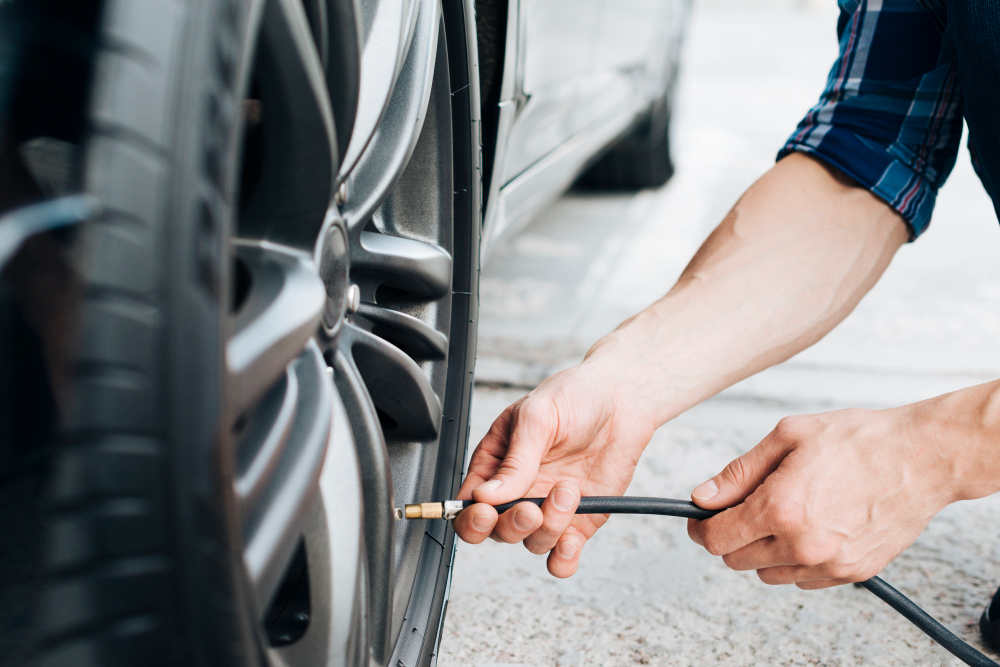
Too much air in a tire can affect handling, wear down tread faster, and even risk a blowout. Fixing that doesn’t take a mechanic or fancy tools just a bit of know-how and a steady hand.
Properly deflating a tire restores balance and improves overall vehicle performance. Drivers often overlook this basic skill, yet it plays a key role in safe driving and tire maintenance.
Whether adjusting pressure for off-road terrain or correcting an overfill from the pump, learning how to release air correctly prevents tire damage and extends its life.
Start by understanding the tire valve, then move to the right tools and techniques. Controlled deflation ensures you avoid underinflation while getting the pressure just right.
Anyone can master this with the right guidance. So grab a tire gauge, follow these steps, and stay ahead of pressure problems before they turn into roadside headaches.
Let Air Out of a Tire the Right Way
Too much air in a tire can make driving feel bumpy and unsafe. Tires that are overinflated don’t grip the road well. They also wear out faster in the center.
Letting air out helps balance the pressure and gives your car a smoother, safer ride. You don’t need special tools or skills to do this. A simple screwdriver or even a pen can do the job.
This guide shows you how to let air out of a tire safely and easily. It works for cars, bikes, and even motorcycles. Just follow each step, and you’ll get the right tire pressure without stress.
Tools You May Need
Check This List Before You Start
-
Tire pressure gauge
-
Flathead screwdriver or small tool (even a pen cap can work)
-
Air compressor (optional, for rechecking or adjusting)
-
Owner’s manual (to find the correct PSI)
Step-by-Step Guide to Let Air Out of a Tire
Step 1: Park in a Safe Spot
Find a flat, open area. A driveway or empty parking lot works well. Turn off the engine. Put the car in park and use the parking brake.
Step 2: Check the Recommended Tire Pressure
You’ll usually find this number on a sticker inside the driver’s door. It will say something like “Recommended PSI: 32.” This tells you how much air should be in your tire.
Step 3: Measure the Current Pressure
Remove the cap from the tire valve stem. Press your tire gauge onto the valve. You’ll hear a quick hiss. Then read the number. If it’s too high, you need to let some air out.
Step 4: Release the Air
Use a flathead screwdriver or small tool. Push it into the center of the valve. That small pin in the middle is the valve core. Press it gently. Air will come out fast. Don’t press too long. Just a second or two at a time.
Step 5: Check the Pressure Again
After each air release, use the gauge to check pressure again. Keep repeating until the number matches your car’s recommended PSI.
Step 6: Replace the Valve Cap
Once you’re done, screw the valve cap back on. This keeps dirt and water out.
How to Let Air Out Without Tools?
Use a Key or Pen
Don’t have a screwdriver? A strong pen, house key, or even the tip of a car key can press the valve. Just be careful not to press too hard.
Common Mistakes to Avoid
-
Don’t hold the valve open too long. Air comes out quickly.
-
Don’t skip checking pressure after each release.
-
Don’t drive without putting the valve cap back on.
FAQs
Can I let air out of my tire with my hands?
No, you need to press the valve pin with a small tool. Fingers won’t work.
How long does it take to release air?
Only a few seconds. But always stop to check pressure so you don’t go too low.
What happens if I let out too much air?
Your tire can become underinflated. That’s also unsafe. You can refill it with an air pump at a gas station.
Is it safe to drive with high tire pressure?
Not really. Overinflated tires wear unevenly and have less grip. That can make your car harder to control.
Final Thoughts
Letting air out of a tire is easy once you know how. It takes just a few minutes. The key is to go slowly and check the pressure often. This small task can make your drive smoother and safer.
Always follow the PSI listed for your car and use the right tools. By learning this simple skill, you take better care of your tires and stay safer on the road.