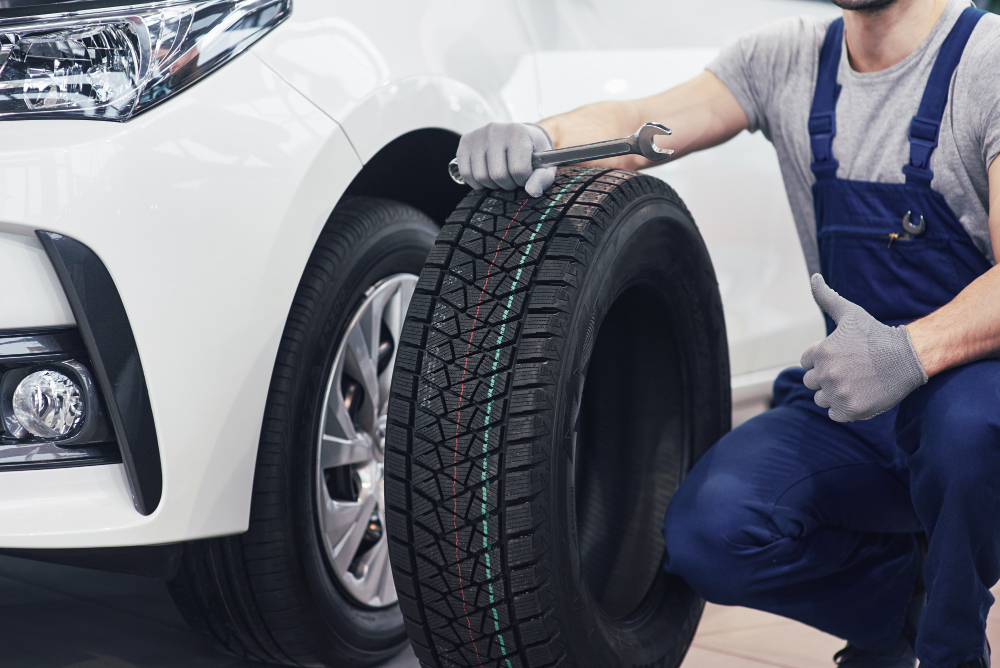
Tires do more than just roll your vehicle forward they grip the road, manage rain and dirt, and keep you safe. Worn-out tread turns your car into a risk, especially on wet or slippery roads.
Knowing how to check your tire tread can save you from accidents and costly repairs. A quick measurement tells you if your tires still have life or need replacing. No need for fancy tools or a trip to the mechanic.
You can do it at home in just a few minutes. All it takes is a coin or a simple gauge to check how deep the tread runs. Don’t wait for a blowout or a slide to remind you.
Check your tread now and drive with confidence. This guide shows the easiest ways to measure your tire tread and helps you understand what those numbers mean for your safety.
How to Measure Tire Tread?
Tire tread helps your car stay safe on the road. It gives your tires grip, especially in rain or on slippery roads. If the tread is too low, your tires won’t work well.
That means longer stopping distance and a higher chance of sliding. Checking the tread takes just a few minutes.
You don’t need a mechanic or expensive tools. You only need a simple trick or tool. Let’s see how to measure your tire tread at home.
Why Tire Tread Matters?
Tires with deep tread give better control. They help your car stop faster and handle better. Bald tires slip more, especially in water or on curves. That’s dangerous. A quick tread check helps you avoid accidents and saves money on repairs.
Tools You Can Use
Penny Test
One of the easiest ways. All you need is a U.S. penny.
-
Hold the penny with Lincoln’s head down.
-
Insert it into the tread groove.
-
If you can see all of Lincoln’s head, your tread is too low.
That means less than 2/32 of an inch. It’s time for new tires.
Tread Depth Gauge
This small tool gives a clear reading.
-
Insert the gauge into the tread.
-
Press it down flat.
-
Read the number on the side.
Most new tires start at 10/32 or 11/32 inch. You should replace them before they get to 2/32 inch.
Quarter Test
Similar to the penny test but more cautious.
-
Use a U.S. quarter.
-
Put it head down in the tread.
-
If you see the top of Washington’s head, tread is below 4/32 inch.
You should think about new tires soon.
Where to Check Tread?
Check more than one spot on the tire.
-
Look at the center.
-
Check both edges.
-
Do this on all four tires.
Uneven wear means trouble. It could be bad alignment or low pressure. You may need a tire rotation or repair.
Signs of Poor Tread
Watch for these signs:
-
Tires feel slippery or lose grip.
-
The car takes longer to stop.
-
You hear more road noise.
-
The tread looks flat or smooth.
These signs show it’s time for a closer look.
How Often Should You Check?
Check once a month. Also check before a long trip. It takes just a few minutes and could save your life.
FAQs
What is the minimum tread depth for safety?
Most experts say 2/32 inch is the limit. Less than that is not safe.
Can I check tire tread in the rain?
Yes, but it’s better when the tires are dry. You’ll get a clearer look.
Why do tires wear unevenly?
Bad alignment, low pressure, or old shocks can cause this. A tire shop can fix it.
Do new tires have deeper tread?
Yes. Most new tires start with 10/32 inch or more.
Can I drive with low tread in dry weather?
It’s risky. Even on dry roads, low tread affects braking and control.
Conclusion
Tire tread keeps you safe. It’s easy to check and only takes a minute. Use a penny, quarter, or tread gauge. Check often and look for signs of wear.
Don’t wait for a problem to show up on the road. A simple check today can prevent a big issue tomorrow. Stay safe and keep your tires in good shape.