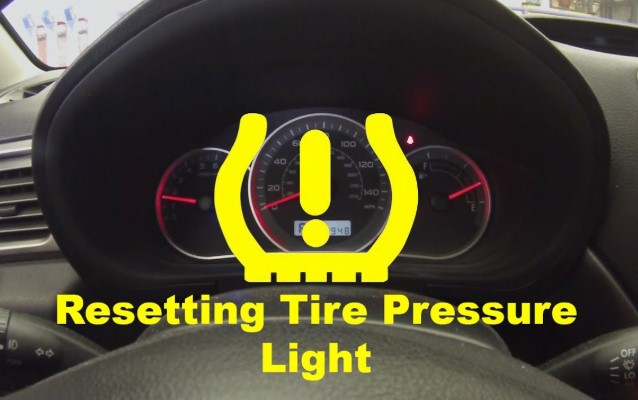
Your dashboard just lit up with a tire pressure warning, and now you’re wondering what to do next. That little symbol may look harmless, but it plays a big role in keeping your ride safe and efficient.
A tire pressure sensor doesn’t just nag you it helps protect your tires, improve gas mileage, and ensure better handling. Resetting it sounds technical, but the process is often simpler than expected.
Most modern vehicles come equipped with built-in systems that alert you when air pressure drops below recommended levels. After inflating the tires or rotating them, that warning light may stay on until you manually reset the system.
Different cars follow different reset procedures, but once you know your vehicle’s method, it only takes a minute or two. This guide walks through clear, step-by-step instructions that get you back on the road with confidence no mechanic required. Let’s get that light turned off the right way.
How to Reset Tire Pressure Sensor? Simple Steps Anyone Can Follow
Tire pressure sensors help keep you safe on the road. They alert you when your tires have low air pressure. But sometimes, the light stays on even after filling the tires. That can be frustrating.
Good news resetting the tire pressure sensor is not hard. You don’t need to be a mechanic. Just follow a few clear steps.
This guide explains how to reset the tire pressure sensor for most cars. With simple tools and a little time, the sensor light will turn off and your dashboard will look normal again.
What Does a Tire Pressure Sensor Do?
A tire pressure sensor watches the air pressure in your tires. If the pressure drops too low, the sensor tells your car’s system to turn on the warning light.
This light usually looks like a horseshoe with an exclamation point. Keeping your tire pressure correct helps improve gas mileage, tire life, and safety.
When Should You Reset the Sensor?

-
After filling air in one or more tires
-
After rotating or replacing tires
-
After fixing a flat with a plug or patch
-
If the warning light turns on and pressure is fine
Resetting helps the system read the pressure correctly again.
How to Reset Tire Pressure Sensor Step-by-Step
Step 1: Check Tire Pressure First
Before trying anything else, use a tire gauge. Make sure all four tires have the correct air pressure. You’ll find the correct number on a sticker inside the driver’s door or in your manual. Most cars need 30–35 PSI.
Step 2: Turn the Car to “On”
Put your key in the ignition and turn it to the “On” position. Do not start the engine yet. The dash lights should come on.
Step 3: Press and Hold the TPMS Reset Button
Find the reset button under the steering wheel. It may be labeled “TPMS” or have the tire pressure icon. Press and hold it until the light on the dashboard blinks three times. Release the button.
Can’t find the button? Some cars hide it inside the glove box or near the gas pedal. Check your owner’s manual.
Step 4: Start the Car
Turn the key fully and start the engine. Wait a few minutes. The warning light should turn off.
What If Your Car Has No TPMS Button?
Some cars reset differently. Try these methods if there’s no reset button.
Method 1: Drive at a Steady Speed
Drive at 50 km/h (about 30 mph) for 10–15 minutes. The sensor may reset itself as the tires rotate.
Method 2: Disconnect the Battery
-
Turn off the car
-
Open the hood and find the battery
-
Use a wrench to remove the negative cable
-
Wait 5–10 minutes
-
Reconnect the cable
-
Start the car and check the light
This resets many systems in your car, including TPMS.
Method 3: Use the Touchscreen or Menu Settings
Newer cars let you reset the sensor using the infotainment screen.
-
Go to Settings
-
Look for Tire Pressure or TPMS
-
Choose “Reset” or “Relearn”
-
Follow on-screen steps
What to Do If the Light Stays On
Sometimes the light still won’t go off. Here’s what to try:
-
Recheck air pressure in all tires, including the spare
-
Make sure tires are not overfilled
-
Try the reset steps again
-
Visit a mechanic if nothing works there could be a bad sensor
Tips to Keep Your Tire Pressure Light Off
-
Check pressure once a month
-
Use a digital tire gauge for better results
-
Don’t forget the spare tire
-
Add air before long trips or cold weather changes
FAQs
Why is my tire pressure light still on after filling the tires?
The sensor may not reset on its own. You may need to press the reset button or drive a short distance.
Can I drive with the tire pressure light on?
Yes, but only for a short time. Check the pressure soon. Driving with low pressure can damage tires.
How do I know my car has TPMS?
Most cars made after 2008 have tire pressure sensors. Look for the symbol on your dashboard.
Do I need a mechanic to reset the sensor?
No, you can reset it yourself in most cases. Only visit a mechanic if nothing works.
Does weather affect tire pressure?
Yes. Cold air makes tire pressure drop. Always check tires in the morning for an accurate reading.
Conclusion
Resetting a tire pressure sensor takes only a few minutes. Start by checking the air in your tires. Use the reset button if your car has one. If not, drive for a short time or disconnect the battery.
Follow the right steps and the warning light will go away. Keeping your tire pressure right means better fuel use, longer tire life, and safer driving. Don’t ignore the light fix it early and enjoy the road with peace of mind.