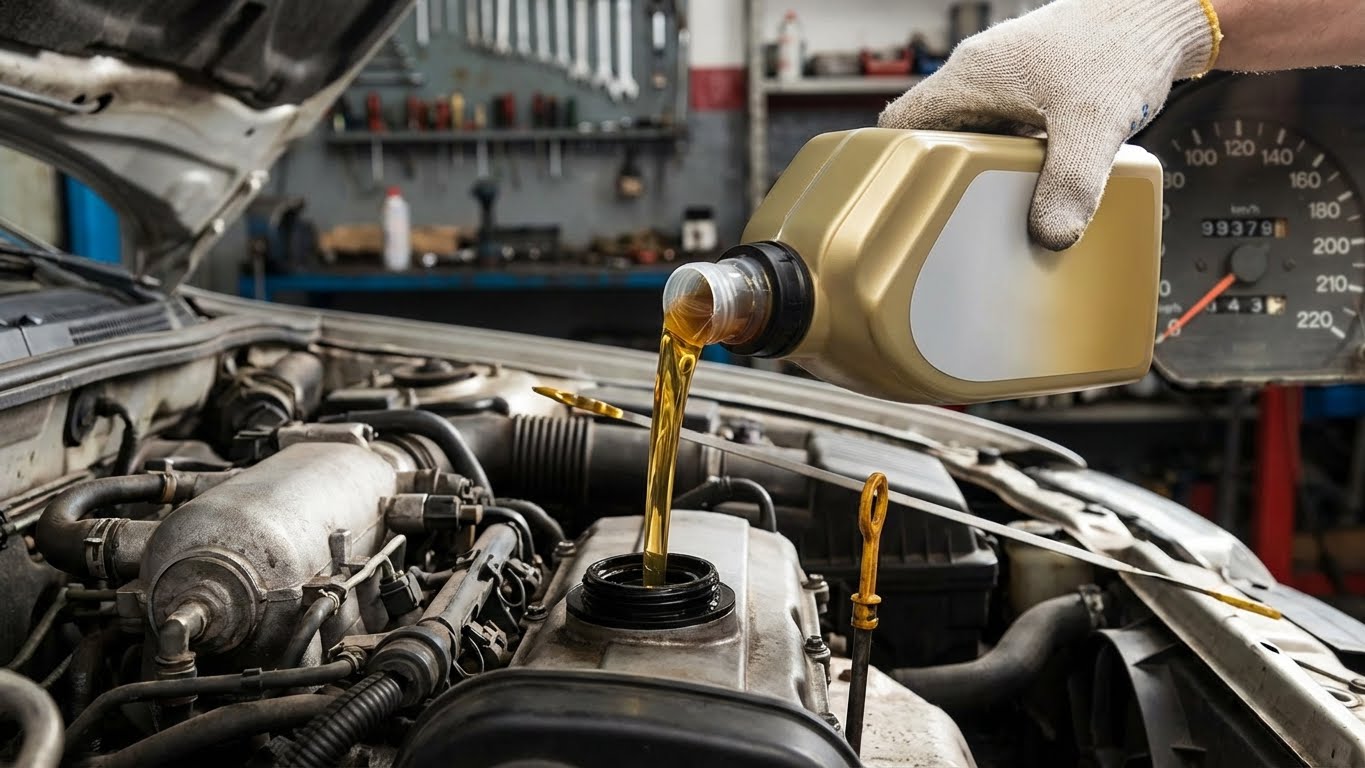
Many people wonder if using regular oil in a high mileage car can cause problems. Using regular oil is not always bad, but it may not provide the extra protection older engines need. High mileage engines often have more wear, leaks, and seal issues, which special high mileage oils are designed to help with.
Regular oil can work fine if the engine is well maintained and doesn’t leak or burn oil. However, for cars with over 75,000 miles and signs of wear, switching to oil made for high mileage engines can improve engine life and reduce leaks. It’s important to consider the specific condition of the vehicle before choosing oil.
Knowing when to use regular oil or high mileage oil helps avoid potential engine damage and keeps the car running smoothly. This guide will explore the risks, benefits, and best choices for oil in older cars.
Key Takeways
- Regular oil may be fine for well-maintained high mileage engines without leaks.
- High mileage oil can help reduce leaks and wear in older cars.
- Choosing the right oil depends on the engine’s condition and mileage.
Understanding High Mileage Cars
High mileage cars face unique challenges due to wear and tear on engine parts. These vehicles need specific care to keep running smoothly. Proper maintenance helps address common problems and extends the vehicle’s lifespan.
Definition of High Mileage Vehicles
A high mileage vehicle is typically one that has traveled 75,000 miles or more. At this point, the engine and other components may begin to show signs of aging. Although some cars can run well past 100,000 miles with good care, the risk of issues increases as mileage rises.
High mileage is not just about the number; it also reflects how the vehicle has been driven and maintained. A well-maintained car with 80,000 miles can be in better condition than a neglected car with only 50,000 miles. For more details, manufacturers often provide guidelines on mileage milestones and care at sources like the National Highway Traffic Safety Administration.
Common Issues in High Mileage Cars
As cars age, parts start to wear out. Common issues include engine leaks, reduced oil pressure, worn seals, and increased oil consumption. Rubber gaskets and seals may dry out and crack, causing leaks.
Engines in high mileage vehicles can suffer from corrosion and buildup, leading to decreased efficiency. Components like the timing belt, water pump, and fuel injectors might also need replacement. These wear-related problems increase the chance of breakdowns if not managed properly.
Special Maintenance Needs
High mileage vehicles often benefit from specialized maintenance. One key step is using high mileage motor oil, which contains additives to help reduce leaks and wear. This type of oil may improve engine longevity by conditioning seals and reducing oxidation.
Regular upkeep includes more frequent oil changes and checking engine parts like belts and filters. It is important to follow the manufacturer’s service schedule closely. More information about maintenance routines for older cars can be found at resources such as CARFAX’s maintenance guide. Proper care helps maintain engine health and prevent costly repairs.
Differences Between Regular Oil and High Mileage Oil

Regular oil and high mileage oil differ mainly in their ingredients, the purpose of their additives, and how they protect engines, especially those with many miles. These differences affect how well the oil maintains engine health, reduces wear, and supports older parts.
Key Ingredients in High Mileage Oil
High mileage oil contains special additives that regular oil often lacks or has in smaller amounts. These ingredients include seal conditioners, antioxidants, and detergents. Seal conditioners help keep engine seals soft, which reduces leaks common in older engines. Antioxidants slow down oil breakdown caused by heat and oxidation.
Detergents in high mileage oil clean the engine by removing sludge and deposits. This helps maintain better engine performance over time. Regular oil focuses mainly on lubrication and basic protection but doesn’t usually have these extra ingredients designed for aging engines.
Function of Additives
Additives in high mileage oil serve specific purposes beyond simple lubrication. Seal conditioners prevent leaks by rejuvenating rubber gaskets that can dry out and crack in older cars. Anti-wear additives reduce friction on engine parts that naturally wear down with time.
Detergents keep the engine cleaner by preventing buildup of harmful deposits inside. The combination of these additives helps extend engine life by reducing oil consumption and minimizing wear. Regular oil may contain some anti-wear agents but lacks the blend that targets the problems faced by engines with many miles.
Viscosity and Engine Protection
Viscosity refers to the thickness of the oil and its ability to flow through the engine. High mileage oils often use viscosity modifiers that keep the oil stable for a longer time. This means the oil maintains proper thickness even after extended use or exposure to heat.
The stable viscosity improves engine protection, especially in older engines where parts may be worn or have larger clearances. Regular oils usually maintain their viscosity for engines with fewer miles but might thin out faster in older engines, reducing protection. High mileage oils provide a balance that suits engines past 75,000 miles or more by guarding against wear and leaks.
Potential Risks of Using Regular Oil in High Mileage Cars
Using regular motor oil in cars with high mileage can cause specific mechanical issues. These problems mainly relate to the engine’s increased wear and aging seals. Regular oil lacks certain additives that older engines need to maintain proper lubrication and protect against leaks.
Increased Oil Consumption
High mileage engines tend to use more oil as their internal parts wear down. Regular oil does not have the extra sealing agents found in high mileage formulas, so it may not control oil burn-off as well. This can lead to more frequent oil top-ups and increased maintenance costs.
When a car burns oil faster, it may also lead to thicker carbon build-up inside the engine. This reduces fuel efficiency and can hurt performance. For details on oil grades and recommendations, the American Automobile Association (AAA) offers useful guidance on oil use in older vehicles.
Seal and Gasket Wear
Seals and gaskets in older engines often dry out and crack over time. High mileage oils contain special conditioners that keep these parts flexible. Regular oil lacks these conditioners, which can speed up seal deterioration.
When seals wear out, they can cause oil leaks or let contaminants enter the engine. This accelerates damage and can lead to costly repairs. Maintaining seal integrity is crucial for engine health in vehicles over 75,000 miles.
Higher Risk of Leaks
Older engines are more likely to develop leaks due to wear and shrinking seals. Regular oil’s thinner formula provides less protection against leaks than high mileage oil, which has additives to reduce this risk.
Leaking oil reduces engine lubrication, which can cause overheating and engine wear. It also creates environmental hazards. Using proper oil designed for high mileage engines can slow down leak formation, helping keep the engine cleaner and safer to run. More on preventing leaks and engine care is available through the Car Care Council.
Benefits of Using Oil Designed for High Mileage Engines
High mileage engine oil offers features that help maintain and protect older engines. It targets common issues like worn parts, leaks, and oil thinning. These oils include additives that improve engine health and performance compared to regular oil.
Improved Engine Longevity
High mileage oils contain special conditioners that help keep engine seals soft and flexible. As a car ages, seals can dry out and crack, which leads to leaks. These conditioners slow down that process, extending the life of the seals.
The oil also includes additives that reduce the buildup of sludge and deposits inside the engine. Sludge can clog parts and reduce efficiency. By minimizing sludge formation, high mileage oils help the engine stay cleaner and run smoother over time, which supports longer engine life.
Enhanced Protection Against Wear
Older engines deal with more wear on vital parts like pistons and valves. High mileage oils use synthetic bases and extra anti-wear agents to protect these metal components better than regular oils.
This kind of protection reduces friction and limits damage caused by metal-to-metal contact. The result is a smoother engine operation and less risk of costly repairs. It also helps maintain engine performance as mileage rises.
Reduced Oil Loss
High mileage oils often include additives that help seal small leaks around gaskets and seals. These leaks are more common in high mileage cars because parts have aged and shrunk or cracked.
By reducing leaks, the oil helps keep the right amount of lubrication where it’s needed. It also cuts down on the need to add oil between changes. This makes the engine run more efficiently and lowers maintenance costs related to topping off oil.
Evaluating When It’s Acceptable To Use Regular Oil
Using regular oil in a high mileage car depends on factors like the car manufacturer’s advice, daily driving conditions, and how the engine performs. These elements help decide if regular oil will work without causing harm or if special high mileage oil is better suited.
Manufacturer Recommendations
The car’s manufacturer often gives clear guidance on which type of oil to use based on the engine design and expected mileage. Many high mileage cars, typically with over 75,000 miles, are recommended to use high mileage oil because it contains additives that protect aging engine parts and seals.
However, if the manufacturer does not specifically call for high mileage oil, or if the engine is in good shape with minimal wear, using regular oil can be acceptable. The owner’s manual is the best source for this information, as it reflects the engine’s needs and warranty conditions. Ignoring these recommendations may lead to reduced engine protection or voided warranties.
Effect of Driving Conditions
How a car is driven affects oil choice. Cars that face harsh conditions—like stop-and-go traffic, extreme temperatures, or towing heavy loads—usually benefit more from high mileage oil. This is because it helps reduce oil burn-off and engine wear under stress.
In contrast, if the vehicle mostly drives on highways and experiences gentle, steady speeds, regular oil can be sufficient, as the engine is under less strain. Drivers should also consider how often they change the oil; longer intervals might favor high mileage oil for better wear protection.
Impacts on Vehicle Performance
High mileage oil contains additives designed to reduce leaks and engine wear, which can improve performance in older engines. Regular oil, without these additives, might not offer the same advantages. This can lead to faster wear of gaskets and seals, increased oil consumption, and potential loss of engine compression.
Despite this, if the engine is well-maintained and shows no signs of leaks or oil burning, using regular oil may not noticeably harm performance. Regular oil still provides essential lubrication and protection. The decision should factor in engine condition and any past issues related to oil quality.
Signs of Trouble When Using the Wrong Oil
Using the wrong oil in a high mileage car can cause specific problems that show up as noticeable changes. These changes often signal that the engine is not getting the proper protection it needs.
Unusual Engine Noises
One common sign is unusual engine noises. When the oil viscosity is too thin or too thick, it can fail to provide enough lubrication between moving engine parts. This lack of proper lubrication causes increased friction, which may lead to knocking, ticking, or rattling sounds coming from the engine.
In high mileage cars, worn components need more careful lubrication. Using regular oil not designed for these engines can cause the oil film to break down faster, leading to metal-on-metal contact. Over time, this noise indicates wear and tear that could cause long-term damage if not addressed quickly.
Excessive Exhaust Smoke
Excessive exhaust smoke can also indicate improper oil use. If the oil does not meet the engine’s requirements, it may burn off or leak into the combustion chamber. This causes blue or gray smoke to come from the tailpipe.
High mileage vehicles often have seals and gaskets that are more prone to leaks. Using regular oil instead of specially formulated high mileage oil might fail to condition these seals. This failure results in oil burning and increased smoke, which is both harmful for engine health and can cause emissions issues.
Best Practices for Oil Changes in High Mileage Cars
Maintaining a high mileage car requires attention to oil choice and change intervals. Using the right oil and changing it often enough helps protect the engine from wear, leaks, and sludge buildup.
Choosing the Right Oil
For high mileage engines, high mileage motor oil is usually the best choice. It contains special additives that help reduce oil leaks and protect worn engine parts. Conventional oil can work, but it may not provide the same protection in older engines.
Many experts suggest using synthetic or synthetic blend oils because they resist breakdown better and stay cleaner longer. Always check the vehicle’s owner manual for recommended oil types and viscosities. Using the wrong oil may cause poor engine performance or increased wear.
For more information on oil types, the American Petroleum Institute provides useful guidelines.
Oil Change Frequency
High mileage cars need more frequent oil changes than newer vehicles. Synthetic oils can often go 5,000 to 7,500 miles before needing a change. Conventional oils usually require changes every 3,000 to 5,000 miles.
Pay attention to driving habits too. Frequent short trips and heavy loads can mean more frequent oil changes. Tracking oil level and condition helps ensure the engine stays lubricated and clean.
Drivers should keep a maintenance log to record oil changes and watch for signs like increased engine noise, leaks, or oil consumption. Following a strict oil change schedule will extend the life of a high mileage engine.
More detailed schedules for oil change intervals can be found at the Car Care Council.
FAQs
Is it harmful to use regular oil in a high mileage car?
Using regular oil is not always harmful. If the engine is well maintained and the car is driven mostly for everyday trips, regular oil can work. However, it may not offer the same protection as high mileage oil designed for older engines.
When should someone switch to high mileage oil?
High mileage oil is usually recommended for cars with over 75,000 miles. It contains additives that help reduce leaks and protect engine parts from wear. Switching becomes more important as the engine ages and experiences more stress.
How often should oil be changed in a high mileage car?
Change intervals depend on the type of oil. Regular oil usually needs changing every 3,000 to 5,000 miles. Synthetic or high mileage oils can last longer, often between 5,000 and 7,500 miles. Following the car manufacturer’s guidelines is best.
Does high mileage oil fix engine leaks?
High mileage oil may help reduce leaks because it contains seal conditioners. These help keep engine seals flexible. However, it does not fix serious leaks or mechanical problems.
Is high mileage oil more expensive than regular oil?
Yes, high mileage oil tends to cost more. The extra price pays for additives that can improve engine life. Owners should weigh cost against the benefits for their specific car.
| Question | Quick Answer |
|---|---|
| Can regular oil damage an old engine? | Usually no, if the engine is well cared for |
| When to use high mileage oil? | After 75,000 miles or if leaks appear |
| Oil change frequency? | 3,000-5,000 miles (regular), 5,000-7,500 miles (synthetic/high mileage) |
| Can high mileage oil stop leaks? | Helps reduce minor leaks, not fix major ones |
| Is high mileage oil worth it? | Depends on engine condition and budget |
Conclusion
Using regular oil in a high mileage car is not necessarily bad. It can be a suitable option if the engine is well maintained and does not show signs of leaks or excessive wear. Regular oil often costs less and may work fine for everyday driving.
However, high mileage oils have specific additives designed to help older engines. These additives can reduce leaks and protect seals. They may support engine life longer in cars with 75,000 miles or more.
Drivers should consider their engine’s condition, driving habits, and manufacturer recommendations when choosing oil. Switching to regular oil from high mileage oil is possible but might not provide the same benefits for older engines.
In short, regular oil is not harmful by default, but high mileage oil may offer advantages for older cars. It depends on individual circumstances and care routines.
| Factor | Regular Oil | High Mileage Oil |
|---|---|---|
| Cost | Lower | Usually higher |
| Additives | Basic protection | Seal conditioners, leak reduction |
| Best for mileage | Any, including low | 75,000 miles or more |
| Engine condition needs | Good condition | Older engines with wear |
Choosing the right oil supports engine health and performance, no matter the type used.