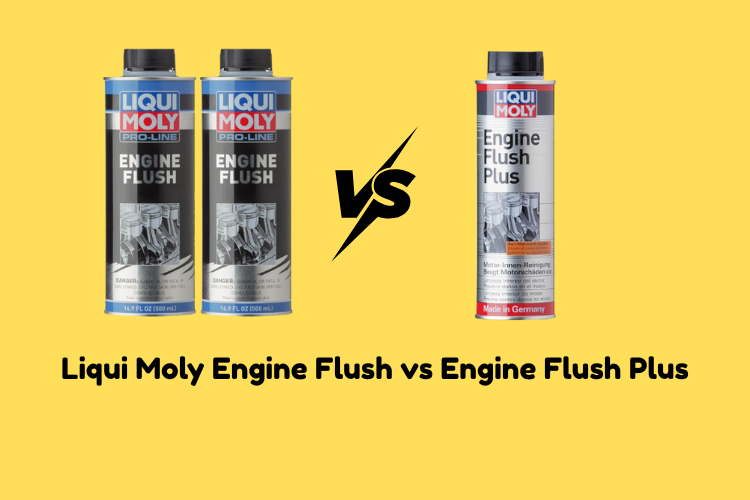
Drivers often search for quick ways to refresh engine performance without diving into complex repairs. Liqui Moly offers two standout products for this purpose: Engine Flush and Engine Flush Plus. Both aim to clean internal components, yet each product serves slightly different needs under the hood.
Engine Flush targets routine cleanup and suits owners who want a simple, reliable treatment before an oil change. Engine Flush Plus delivers a stronger approach with a more advanced additive package, appealing to users who deal with tougher deposits or older engines that demand deeper cleansing.
Each formula carries a distinct character. Engine Flush focuses on balance and safety for regular maintenance, while Engine Flush Plus pushes for aggressive sludge removal and smoother engine operation.
Drivers gain the most benefit by understanding these differences before selecting the right option for their vehicle. This comparison highlights the practical strengths of each product and helps you match them to real-world conditions.
Liqui Moly Engine Flush vs Engine Flush Plus
Clean oil passages support better engine health. Fresh oil needs a clear path. Sludge blocks that path. Deposits slow it. Liqui Moly offers two popular solutions for this problem: Engine Flush and Engine Flush Plus.
Both products focus on internal cleaning, yet each one fits different needs. One leans toward stronger, deeper cleaning. The other leans toward regular and gentle cleaning. The sections below break everything down in a clear and simple way.
Liqui Moly Engine Flush

Product Details
Liqui Moly Engine Flush comes in a 500 ml metal can. Many stores offer it in a two-pack bundle. The product carries a strong cleaning formula that works with gasoline and diesel engines.
Drivers use it to remove sludge, varnish, and dirt from the engine before an oil change. The mixture cleans quickly and stays safe for seals, gaskets, and the catalytic converter.
Each 500 ml can fits engines with larger oil capacities. The formula supports rapid movement through the oil passages during a short idle period. The goal stays simple: dissolve buildup and prepare the engine for fresh oil.
Product Details
Formula Style
Engine Flush uses a strong detergent mix. It targets heavy deposits and fast cleaning.
Fit Type
Works with gasoline and diesel vehicles. Suits cars, SUVs, vans, and light trucks.
Package Size
500 ml per can. Often sold in a pack of two.
Key Differences
Oil Type
No specific viscosity label. Works with nearly all common engine oils.
Viscosity Options
No alternate viscosity choices. One universal formula.
Additive Packages
Strong detergent package. Designed to fight deep deposits, sludge, and varnish.
Recommended Use Cases
-
High-mileage engines
-
Vehicles with long oil intervals
-
Engines with sludge formation
-
Drivers who want strong cleaning before a fresh oil fill
Performance Comparison
Engine Protection
Engine Flush clears harmful sludge that restricts oil flow. Clean passages help the engine stay protected under load.
Fuel Efficiency
Freer oil flow reduces drag. Engines run smoother. Light fuel gains may appear.
Mileage Longevity
Deep cleaning supports longer engine life. Sludge removal reduces stress on moving parts.
Cold-Start Performance
A freshly cleaned system lets new oil reach parts faster during cold starts.
High-Temperature Stability
The formula handles heat during the short idle cycle. Stable performance during cleaning.
Product Options & Specs
-
Brand: Liqui Moly
-
Size: 500 ml (pack of 2)
-
Fit Type: Gasoline and diesel engines
-
Package: Metal can
-
Cleaning Style: Strong and rapid
Pros and Cons
Pros
-
Strong cleaning power
-
Works with almost all engines
-
Safe for seals and converters
-
Fast cleaning action
-
Good for heavy sludge
Cons
-
Higher cost due to pack size
-
May be stronger than needed for clean engines
-
Bigger can may not suit small engines with low oil capacity
Liqui Moly Engine Flush Plus
Product Details
Liqui Moly Engine Flush Plus comes in a 300 ml plastic bottle. The product supports cleaning for small and mid-size engines. The formula stays mild and aims at light to moderate sludge.
The bottle displays a 15W-40 label for compatibility with common oil grades in older and mid-range vehicles.
Many drivers use Flush Plus before routine oil changes. It offers a safer and softer approach for engines in stable condition. The mixture flows through the oil system during a short idle period and dissolves common dirt without stressing seals or metal parts.
Product Details
Formula Style
Flush Plus uses mild detergents. Designed for steady, gentle cleaning.
Fit Type
Works with universal internal combustion engines. Gasoline and diesel friendly.
Bottle Size
300 ml bottle. Fits most compact and mid-size oil systems.
Key Differences
Oil Type
Carries a 15W-40 label on the bottle. Indicates compatibility with common oil viscosity ranges.
Viscosity Options
Only one option.
Additive Packages
Mild detergents. Aimed at light dirt removal and routine cleaning.
Recommended Use Cases
-
Regular maintenance
-
Modern engines with light deposits
-
Drivers who want safe and gentle cleansing
-
Cars with smaller oil systems
Performance Comparison
Engine Protection
Flush Plus clears basic deposits so fresh oil can protect the engine more effectively.
Fuel Efficiency
Reduced internal drag may support minor fuel gains.
Mileage Longevity
Clean oil passages lower wear. A steady benefit for long-term use.
Cold-Start Performance
Fresh oil moves more freely after cleaning. Faster lubrication during cold starts.
High-Temperature Stability
Stable during cleaning at idle. Gentle formula stays safe during the process.
Product Options & Specs
-
Brand: Liqui Moly
-
Size: 300 ml
-
Fit Type: Universal internal combustion engines
-
Viscosity Label: 15W-40
-
Package: Plastic bottle
-
Cleaning Style: Mild
Pros and Cons
Pros
-
Gentle on older engines
-
Affordable option
-
Safe for seals
-
Easy to use
-
Good for routine cleaning
Cons
-
Not strong enough for heavy sludge
-
Small bottle size
-
Mild formula may not suit high-mileage engines
Details Comparison for Liqui Moly Engine Flush vs Engine Flush Plus
Engine Flush stands as the stronger cleaner. The formula works for engines with deep sludge, dark deposits, and long service gaps. It suits diesel engines well and fits vehicles with larger oil capacities.
The two-pack bundle also gives enough volume for multiple services. Engine Flush Plus serves as the softer option. Ideal for cars that stay in good condition. Light dirt. Mild sludge. Routine cleaning. The smaller bottle suits small and medium engines.
One product cleans aggressively. The other cleans gently. The right choice depends on the engine’s condition and the level of cleaning needed.
Comparison Table
| Feature | Engine Flush | Engine Flush Plus |
|---|---|---|
| Bottle Size | 500 ml (pack of 2) | 300 ml |
| Cleaning Strength | Strong | Mild |
| Best For | Heavy sludge | Light sludge |
| Fit Type | Gas & diesel | Universal engines |
| Additives | Strong detergents | Mild detergents |
| Price | Higher | Lower |
| Viscosity Label | None | 15W-40 |
| Ideal User | High-mileage engines | Routine maintenance |
FAQs
Does either product damage seals?
No. Both formulas stay neutral to seals and gaskets.
Can both products work with gasoline and diesel engines?
Yes. Both support common internal combustion engines.
How long should the engine idle during cleaning?
Most drivers idle the engine for 10 to 15 minutes. Always check the label.
Can these products fix knocking or tapping sounds?
They may reduce noise caused by sludge. They cannot repair worn parts.
Should these products be used every oil change?
Flush Plus works well for regular intervals. Engine Flush suits engines that need deeper cleaning.
Which One Should You Choose?
Use Liqui Moly Engine Flush if your engine shows heavy sludge, long oil intervals, or high mileage. Strong cleaning. Fast action. Good for diesel engines too.
Use Liqui Moly Engine Flush Plus if your engine stays in good condition and only needs light cleaning before routine oil changes. Safer for older engines with weak seals.
Both products clean the oil system. The right choice depends on how dirty your engine is and how much cleaning strength you need.