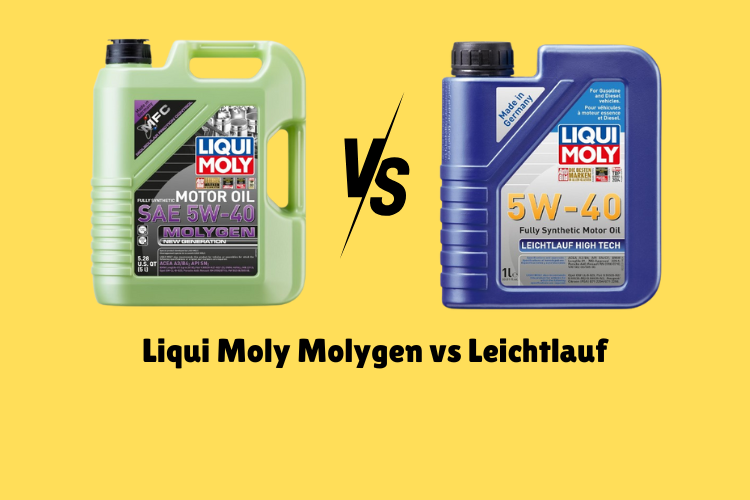
Drivers often face a tough choice between Liqui Moly Molygen and Leichtlauf, especially when they want stronger performance without risking engine health. Molygen attracts attention with its green, friction-reducing formula that supports smoother acceleration and cooler engine temperatures.
This oil targets drivers who push their cars hard and want a noticeable improvement in responsiveness. Leichtlauf takes a different path and focuses on balanced protection, long drain intervals, and stable performance in daily driving conditions.
Many car owners value its ability to keep engines clean while maintaining strong viscosity under heat and stress. Both oils deliver premium quality, yet each suits a different style of driving. Molygen fits high-demand situations, spirited trips, and engines that need extra refinement.
Leichtlauf suits commuters, long-distance travelers, and anyone who prefers a dependable, low-maintenance solution. A clear comparison helps drivers pick the oil that aligns with their habits, expectations, and performance goals.
Liqui Moly Molygen vs Liqui Moly Leichtlauf
Both oils come from the same brand. Still, they behave very differently inside an engine. One aims for stronger friction control and fast protection.
The other focuses on stable long-term performance and wide vehicle approval. Each oil brings its own strengths. Real differences. Real results. This guide explains them in simple words so every driver understands the full picture.
Liqui Moly Molygen Engine Oil

Product Details
Molygen New Generation 5W-40 stands out because of its special green formula. The oil uses a full-synthetic base that protects engines under stress. The formula helps reduce friction and heat.
It also keeps the engine clean and stable at both hot and cold temperatures. Drivers often pick Molygen for noise reduction, smooth running, and strong wear control.
The oil fits modern engines that face heavy loads, fast driving, and long trips. It brings high shear stability, which means the oil stays strong even under pressure.
Key Differences
Oil Type
Molygen uses a full-synthetic base with friction-reducing technology. The formula targets smoother and quieter engine behavior.
Viscosity Options
Available in 0W-20, 5W-30, 5W-40, and 5W-50. The 5W-40 grade offers a good balance of flow and heat protection.
Additive Packages
Molygen carries special friction modifiers. These additives lower wear and reduce metal-to-metal contact. The package also improves engine cleanliness and stability.
Recommended Use Cases
Great for drivers with:
• High-mileage trips
• Heavy acceleration
• Turbocharged engines
• Cars that run in hot climates
• Engines that need strong anti-wear protection
Performance Comparison
Engine Protection
Molygen forms a tough film on moving parts. This film reduces friction and lowers engine stress. Many drivers notice smoother performance.
Fuel Efficiency
Reduced friction means the engine works with less effort. This supports better fuel use.
Mileage Longevity
The strong film gives engines long-term protection. The oil keeps parts clean over thousands of miles.
Cold-Start Performance
The oil flows fast in cold mornings. Engines move with less drag during first start.
High-Temperature Stability
The formula holds thickness in hot weather. Engines that face high loads stay protected.
Product Options & Specs
• Type: Full Synthetic
• Viscosity: 5W-40 (other grades available)
• Volume: 5 Liters
• Fit Type: Vehicle-Specific
• High shear stability
• High temperature strength
Pros and Cons
Pros
• Lower friction
• Smooth and quiet engine feel
• Great high-temperature stability
• Strong anti-wear additives
• Good protection for turbo engines
Cons
• Higher price
• Not many OEM approvals
• Some engines may not need friction-boosting additives
Liqui Moly Leichtlauf Engine Oil
Product Details
Leichtlauf High Tech 5W-40 uses advanced synthetic technology. The oil keeps engines clean and runs well in both hot and cold conditions. It also maintains good pressure at all speeds.
This oil stands out because many European manufacturers approve it. The formula helps control wear, reduce deposits, and support long engine life.
Key Differences
Oil Type
Leichtlauf uses synthetic-technology oil. The blend supports strong protection without the full-synthetic price.
Viscosity Options
Mainly offered in 5W-40. The viscosity fits many European and modern engines.
Additive Packages
The oil contains detergents that keep engines clean. It works well with catalytic converters and turbochargers. The additives help reduce emissions and fuel consumption.
Recommended Use Cases
Best for:
• European vehicles
• Daily driving
• Cars with turbochargers
• Engines that require many OEM approvals
• Drivers who want stable long-term performance
Performance Comparison
Engine Protection
Leichtlauf builds a stable oil film that protects parts at all speeds. It keeps wear under control across long drain intervals.
Fuel Efficiency
Clean internal parts help improve fuel use. The oil also reduces drag in normal driving.
Mileage Longevity
The formula holds thickness over time. Engines stay clean and protected over long distances.
Cold-Start Performance
The 5W grade flows well in cool climates. Engines start smooth without heavy strain.
High-Temperature Stability
The oil stays strong in heat and supports turbo protection. It maintains pressure even in tough driving.
Product Options & Specs
• Type: Synthetic Technology
• Viscosity: 5W-40
• Volume: 1 Liter or 20 Liters
• Wide OEM approvals: BMW LL-01, MB 229.5, Porsche A40, Renault RN0700/0710, VW 502/505
• High shear and ageing stability
Pros and Cons
Pros
• Many manufacturer approvals
• Strong long-term stability
• Great for daily driving
• Clean engine performance
• Good price for the quality
Cons
• Not as strong in friction reduction as Molygen
• No unique friction modifier package
• Some drivers may want full-synthetic instead of synthetic-tech oil
Detailed Comparison for Liqui Moly Molygen vs Leichtlauf
Molygen and Leichtlauf share the same brand, but the goals behind each oil differ. Molygen focuses on friction reduction, smooth driving, and extra wear protection. Leichtlauf focuses on long life, clean performance, and wide approvals.
Molygen works well for drivers who push their engines hard. Leichtlauf fits drivers who want strong, steady performance without special additives.
Molygen holds a slight advantage in heat and heavy-load conditions. Leichtlauf holds an advantage in compatibility and OEM approval. Both oils protect engines well, but they serve different needs.
Comparison Table
| Feature | Molygen 5W-40 | Leichtlauf High Tech 5W-40 |
|---|---|---|
| Oil Type | Full Synthetic | Synthetic Technology |
| Main Focus | Low friction, smooth running | OEM approvals, long-term stability |
| Viscosity | 5W-40 | 5W-40 |
| Additives | Friction modifiers | Strong detergents |
| Best For | Hard driving, hot climates, high stress | Daily driving, Euro engines |
| Engine Cleanliness | Very strong | Very strong |
| Fuel Efficiency | Higher | Moderate |
| Cold-Start Flow | Strong | Strong |
| High-Heat Strength | Higher | High |
| Cost | Higher | Moderate |
| OEM Approvals | Limited | Many |
FAQs
Does Molygen reduce engine noise?
Yes. The friction modifiers help reduce metal contact, which lowers noise in many engines.
Does Leichtlauf last longer?
Leichtlauf often stays stable for long drains because of strong ageing control.
Can I switch between these oils?
Yes. Both oils stay compatible. Still, sticking with one line gives the best long-term consistency.
Which oil suits turbo engines better?
Both work well. Molygen offers stronger friction control. Leichtlauf offers more approvals for factory-required specs.
Does Molygen improve fuel use?
Yes. Lower friction helps the engine move with less effort.
Which One Should You Choose?
Pick Molygen if your car runs hot, accelerates hard, or needs the best friction control. The oil gives a smooth feel and strong high-temperature protection.
Pick Leichtlauf if your car follows European oil approvals or needs steady performance for daily driving. The oil offers strong protection at a lower cost.
Both oils give clean results and long life. The right choice depends on how you drive and what your engine demands.