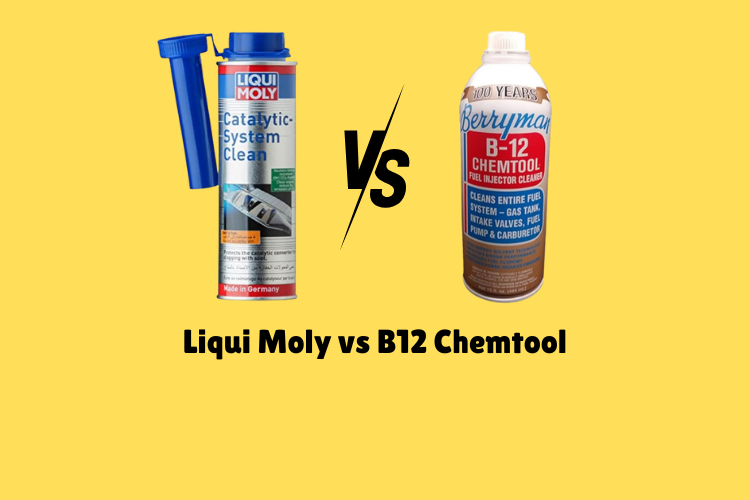
Car owners chase smoother performance, cleaner engines, and stronger fuel efficiency, so fuel additives often spark heated comparisons. Liqui Moly and B12 Chemtool sit at the center of that discussion because each product targets buildup and performance loss with its own formula and approach.
Liqui Moly brings a refined detergent blend that supports ongoing engine cleanliness, stable combustion, and long-term efficiency gains. B12 Chemtool delivers a punch through fast-acting solvents that clear carbon, gum, and varnish in a short driving cycle.
Both products boost throttle response, stabilize idle quality, and help engines run cleaner, yet the difference in strength, feel, and intended use sets them apart. Drivers with newer vehicles or regular maintenance habits often lean toward Liqui Moly for smoother refinement.
Those dealing with rough idle, hesitation, or neglected maintenance usually appreciate the aggressive cleaning power of B12 Chemtool. This matchup highlights two strong approaches to fuel system care.
Liqui Moly vs B12 Chemtool
Dirty injectors. Soot buildup. Poor fuel burn. Rough idle. Fuel system cleaners target these problems. Two popular names stand out: Liqui Moly Catalytic System Clean and Berryman B12 Chemtool.
Both products improve fuel quality and engine response, but they work in different ways. One leans toward gentle cleaning and system protection. The other uses strong solvents for fast results.
This full guide breaks both products down clearly so you can pick the right one with confidence.
Liqui Moly Fuel System Cleaner

Product Details
Liqui Moly Catalytic System Clean helps keep the catalytic converter clean and free from soot buildup. It also cleans the injection system, intake area, and combustion chamber.
A cleaner burn also helps reduce fuel waste. Many drivers use it for mild to moderate carbon deposits. Liqui Moly designs this product for all gasoline engines with catalytic converters.
The formula supports long-term cleanliness rather than aggressive stripping. It works well for regular use and preventive care.
Key Differences
Oil Type
Liqui Moly uses a fuel-safe additive blend. It does not use strong high-energy solvents. It focuses on steady cleaning over time.
Viscosity Options
It comes in one liquid form. No extra viscosity choices are needed for this type of product.
Additive Packages
The additives target soot buildup, injector deposits, and weak combustion. They improve burn quality. They also help protect catalytic converters from clogging.
Recommended Use Cases
Best for vehicles that need gentle cleaning. Good for modern engines with sensitive emission systems. Helpful for vehicles with slight hesitation or poor throttle response. Useful for regular preventive use.
Performance Comparison
Engine Protection
Liqui Moly protects injectors and the catalytic converter. Clean fuel paths lower stress. Reduced soot helps maintain engine health.
Fuel Efficiency
Better combustion leads to better fuel use. Small gains often show after a full tank cycle.
Mileage Longevity
The formula supports long-term system health. It helps engines keep good performance over many miles.
Cold-Start Performance
Cleaner injectors help engines start smoother in cold mornings. Less sputter. More stable idle.
High-Temperature Stability
The product keeps deposits low during high-heat driving. Cleaner chambers handle heat better. This supports stable performance.
Product Options & Specs
-
Brand: Liqui Moly
-
Size: 300 ml
-
Type: Fuel system and catalytic cleaner
-
Fit: All gasoline engines with catalytic converters
-
Targets: Soot, injector deposits, combustion buildup
-
Use: One can per tank
Pros and Cons
Pros
-
Gentle formula
-
Safe for catalytic converters
-
Good for preventive use
-
Helps fuel burn cleaner
-
Works well for daily-driven cars
Cons
-
Slower cleaning power
-
Not ideal for heavy carbon buildup
-
Best results appear over time
Berryman B12 Chemtool Cleaner
Product Details
Berryman B12 Chemtool stands as one of the strongest solvent-based cleaners on the market. It uses high-energy solvent technology designed to cut through gum, varnish, and fuel residue fast.
It also disperses moisture inside the fuel system. Many users rely on it for rough-running engines or clogged injectors.
The formula works well on carburetors, injectors, intake valves, and fuel rails. It also helps revive poor idle in older engines.
Key Differences
Oil Type
B12 uses a solvent-heavy formula. It aims for strong and fast cleaning.
Viscosity Options
It comes in one standard liquid form. No viscosity variations exist.
Additive Packages
The additive package includes strong solvents like toluene and other powerful cleaners. These dissolve gum and varnish quickly.
Recommended Use Cases
Great for older vehicles. Great for engines with hard carbon buildup. Useful after long periods of poor fuel quality. Strong enough for clogged carburetors and stubborn injectors.
Performance Comparison
Engine Protection
B12 cleans fast. Clean parts help protect the engine. Strong solvents may feel harsh in some sensitive modern systems, so proper dosage matters.
Fuel Efficiency
Cleaner injectors and ports can help improve mileage. Gains often appear soon after treatment.
Mileage Longevity
Heavy cleaning helps restore lost performance. This supports long-term mileage health if the product is used with care.
Cold-Start Performance
Better fuel flow improves cold starts. Engines fire quicker with less sputter.
High-Temperature Stability
Strong solvents clear deposits that form during high temperatures. This helps engines run smoother during long drives or hot conditions.
Product Options & Specs
-
Brand: Berryman
-
Size: 15 oz per can (pack of 4 or larger packs)
-
Type: Strong solvent-based cleaner
-
Targets: Moisture, gum, varnish, residue, clogged injectors
-
Use: Works with carbureted and fuel-injected engines
Pros and Cons
Pros
-
Extremely strong cleaning power
-
Works fast
-
Great for old engines
-
Clears moisture in fuel system
-
Helps fix tough buildup issues
Cons
-
Strong formula may be too harsh for some modern engines
-
Overuse may dry rubber seals
-
Sharp smell due to solvents
Detailed Comparison for Liqui Moly vs B12 Chemtool
Liqui Moly focuses on gentle cleaning and long-term system care. It protects catalytic converters and supports cleaner burning. It works well for newer cars, mild deposits, and preventive use. Its goal is steady improvement.
B12 Chemtool hits hard. Its solvent base removes stubborn deposits fast. It works well for older engines, clogged carburetors, and serious buildup. It also works well for drivers who need quick results.
Liqui Moly feels safer for newer vehicles. B12 feels stronger for older or dirty systems. Liqui Moly takes time. B12 works almost instantly. Liqui Moly protects emissions systems. B12 restores rough-running engines with thick deposits.
Comparison Table
| Feature | Liqui Moly Catalytic System Clean | B12 Chemtool |
|---|---|---|
| Cleaning Style | Gentle | Very strong |
| Base Formula | Additive blend | High-energy solvent |
| Target Area | Injectors, combustion chamber, catalytic converter | Injectors, carburetors, fuel system |
| Speed of Results | Slower | Fast |
| Best For | Newer engines, light deposits | Older engines, heavy deposits |
| Safety Level | High for emissions systems | Moderate depending on engine age |
| Moisture Removal | Mild | Strong |
| Price | Lower | Higher per volume |
| Use Frequency | Regular use | Occasional strong cleaning |
FAQs
Can I use Liqui Moly and B12 together?
Not in the same tank. Use them in separate fuel cycles.
Which one is safer for catalytic converters?
Liqui Moly provides better protection.
Which one cleans faster?
B12 Chemtool cleans much faster.
Does B12 help old carbureted engines?
Yes. It works well for them.
Does Liqui Moly improve emissions?
Cleaner combustion helps reduce CO₂ and soot.
Which One Should You Choose?
Pick Liqui Moly Catalytic System Clean if you want safe cleaning for modern engines. It supports long-term health and protects catalytic converters. It works well for light to medium deposits.
Pick B12 Chemtool if your engine runs rough or has heavy buildup. It works fast and hits hard. It suits older engines and strong cleaning sessions.
Both products serve different needs. Your engine type, deposit level, and maintenance style decide the winner.
If you want a soft and steady cleaner, go with Liqui Moly. If you want a powerful and quick cleaner, go with B12 Chemtool.