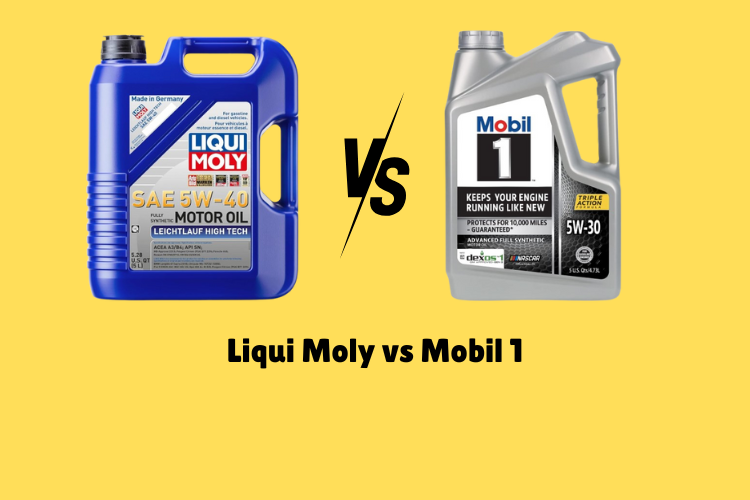
A smart oil choice shapes engine longevity, fuel efficiency, and overall driving confidence. Liqui Moly and Mobil 1 stand at the top of the synthetic oil market with strong reputations, advanced formulas, and proven real-world results.
Each brand targets drivers who expect clean engine operation, stable performance under heat, and reliable protection during daily commutes or spirited drives. Liqui Moly attracts enthusiasts with its German-engineered additives and smooth, refined operation.
Mobil 1 appeals to drivers who want consistent high-temperature stability, rapid lubrication on cold starts, and broad compatibility with modern engines. Both deliver impressive results, yet their strengths suit different priorities.
This comparison outlines how each oil performs in wear protection, detergent strength, viscosity stability, and long-term reliability so you can match your driving style and vehicle needs to the right formula.
Liqui Moly vs Mobil 1
Drivers trust both names. Each brand holds a strong place in the synthetic oil market. Still, each product brings its own traits, strengths, and limits.
The goal is clear. Pick an oil that gives clean running, good protection, and long life for your engine. This guide breaks down both products in detail so your choice feels easy and confident.
Liqui Moly Motor Oil

Product Details
Liqui Moly Leichtlauf High Tech 5W-40 uses advanced synthesis technology. The oil reaches engine parts fast in cold weather. The oil forms a strong film in heat.
The formula supports clean pistons and clean internal parts. It reduces wear and keeps the engine stable at all speeds. Many European car makers approve this oil.
That includes BMW Longlife-01, Mercedes-Benz 229.5, Porsche A40, Renault RN0700/0710, and VW 502 00/505 00. Drivers often select it for long drain intervals, turbo engines, and high-load driving.
Key Differences
Oil Type
Liqui Moly uses a synthetic-based formula. The blend sits close to full synthetic quality and holds strong film strength.
Viscosity Options
The Leichtlauf line offers 5W-40 as one of its main grades. This grade works well in warm climates and high-performance engines.
Additive Packages
Liqui Moly uses German additive systems with high detergent strength. These additives hold dirt, protect seals, and prevent sludge. The formula supports catalytic converters and keeps turbochargers clean.
Recommended Use Cases
Fits European engines, high-heat cars, long-trip drivers, turbo engines, and cars that demand stronger high-temperature protection.
Performance Comparison
Engine Protection
Liqui Moly forms a thick and stable oil film that resists breakdown. The formula reduces friction and slows wear on major parts.
Fuel Efficiency
The oil improves combustion and engine cleanliness. Clean engines often burn fuel more effectively.
Mileage Longevity
The high stability helps extend engine life over long miles. Strong resistance to shear keeps the oil thick even under stress.
Cold-Start Performance
The 5W grade flows fast in cold starts. Engines start smoother and avoid dry friction.
High-Temperature Stability
The oil stays firm in peak heat. Turbo engines gain steady pressure without thinning issues.
Product Options & Specs
• Type: Synthetic Technology
• Viscosity: 5W-40
• Volume: 5 Liters
• Fit Type: Universal
• Key Approvals: BMW LL-01, MB 229.5, Porsche A40, Renault RN0700/0710, VW 502/505
Pros and Cons
Pros
• Strong wear protection
• Great turbo support
• Very clean engine operation
• Fits many European engines
• Handles high heat well
Cons
• Higher cost than many oils
• Not ideal for engines that call for 5W-30 or lighter oil
• Harder to find in local stores compared to bigger U.S. brands
Mobil 1 Motor Oil
Product Details
Mobil 1 Advanced Full Synthetic 5W-30 runs with a modern full-synthetic base. The oil uses Triple Action Formula for better cleaning, protection, and performance.
Drivers with modern cars trust this oil for long drain intervals and stable performance. The formula protects parts up to 10,000 miles.
It controls oxidation, reduces sludge, and keeps viscosity steady. It meets ILSAC GF-6 standards and protects against LSPI issues in newer turbo engines.
Key Differences
Oil Type
Mobil 1 uses a full-synthetic base. The oil holds strength under heat and covers a wide range of engines.
Viscosity Options
Mobil 1 offers many grades. The 5W-30 grade fits most modern U.S. vehicles.
Additive Packages
Mobil 1 includes strong detergents for sludge control. It also includes additives for LSPI protection. The oil fights high temperatures up to 500°F.
Recommended Use Cases
Fits daily drivers, modern engines, high-mileage cars, and vehicles that need frequent stop-and-go protection.
Performance Comparison
Engine Protection
Mobil 1 protects moving parts from metal-to-metal contact. The oil keeps friction low and heat controlled.
Fuel Efficiency
The light formula supports fuel savings in city and highway use.
Mileage Longevity
Engines with Mobil 1 often run cleaner for long miles due to strong sludge control.
Cold-Start Performance
Mobil 1 flows fast in cold weather down to -30°F. Starts stay smooth and quiet.
High-Temperature Stability
The oil holds viscosity at extreme heat. Engines that face heavy loads stay protected.
Product Options & Specs
• Type: Full Synthetic
• Viscosity: 5W-30
• Volume: 5 Quarts
• Flash Point: 230°C
• Meets ILSAC GF-6
• Strong LSPI protection
Pros and Cons
Pros
• Very clean engine operation
• Wide availability and lower price
• Many viscosity options
• Great for daily driving
• Strong heat protection
Cons
• Slightly thinner film under extreme heat compared to some 5W-40 oils
• Not ideal for engines that require thicker oil
• Shorter list of European approvals
Detailed Comparison for Liqui Moly vs Mobil 1
Liqui Moly 5W-40 and Mobil 1 5W-30 both perform well. Still, they target different engine types. Liqui Moly works best for cars that run hot, use turbos, or need thicker oil.
Mobil 1 fits American and Japanese cars that prefer lighter viscosity. Liqui Moly gives stronger high-temperature protection.
Mobil 1 gives better fuel savings and works better for cold climates. Drivers with European cars often pick Liqui Moly.
Drivers with modern U.S. cars often pick Mobil 1. The choice depends on engine needs, climate, and driving style.
Comparison Table
| Feature | Liqui Moly 5W-40 | Mobil 1 5W-30 |
|---|---|---|
| Oil Type | Synthetic Tech | Full Synthetic |
| Viscosity | 5W-40 | 5W-30 |
| Best For | European engines, turbo cars, hot climates | U.S. and Japanese cars, daily driving |
| Engine Cleanliness | Very strong | Very strong |
| High-Temp Strength | Higher | Strong |
| Cold-Start Flow | Good | Better |
| Fuel Efficiency | Moderate | Higher |
| Price | Higher | Lower |
| Approvals | Many European | Broad U.S./Japan fit |
FAQs
Does Liqui Moly last longer than Mobil 1?
Liqui Moly often holds thickness longer under heat. Mobil 1 often lasts long under city and highway use. Both support long drains.
Does Mobil 1 clean better?
Mobil 1 holds strong detergent levels. Liqui Moly also cleans well. The difference stays small.
Can I switch between these oils?
Yes. Both oils stay compatible with other synthetic oils. Still, stick to one brand for the best long-term results.
Which oil suits old engines?
Liqui Moly helps older engines that need thicker oil. Mobil 1 also offers high-mileage versions.
Which One Should You Choose?
Pick Liqui Moly if your engine runs hot, uses a turbo, or calls for 5W-40. The oil gives strong film protection. It handles high heat and heavy loads well.
Pick Mobil 1 if your car needs 5W-30, or if you want better fuel savings and easier cold starts. Mobil 1 fits more cars and costs less.
Both oils serve you well. The right choice depends on your engine specs and driving style.