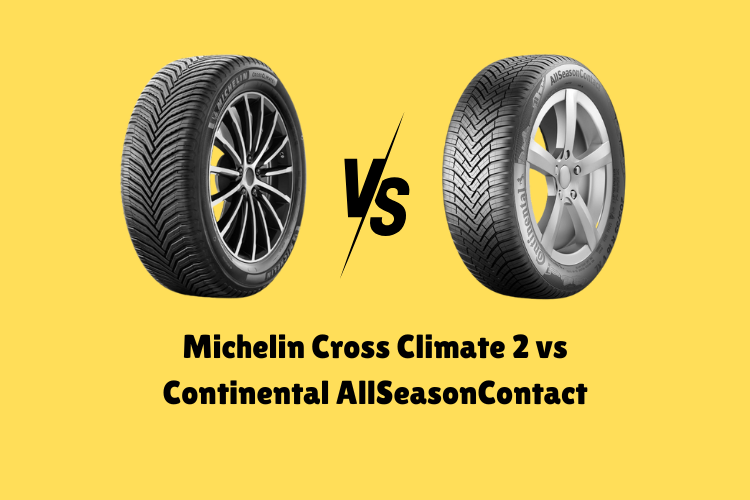
Drivers who demand all-season versatility expect more than just durability they want traction, comfort, and control through every forecast. The Michelin CrossClimate 2 and Continental AllSeasonContact both aim to deliver that perfect balance of summer agility and winter safety.
Michelin’s tire has gained attention for its outstanding wet grip and snow traction, while Continental’s contender impresses with its precise handling and energy efficiency. Each tire brings unique engineering to the road, making the decision between them more than a simple brand preference.
Road noise, tread longevity, braking distance, and fuel economy all play major roles in separating these two all-weather specialists.
This detailed comparison explores how these tires perform across real-world driving conditions, helping drivers find the ideal balance between comfort, performance, and reliability for year-round confidence.
Michelin CrossClimate 2 vs Continental AllSeasonContact
Drivers today want tires that perform in both hot summers and cold winters. They want safety in rain and grip on light snow. Two of the best options that promise all-year reliability are the Michelin CrossClimate 2 and Continental AllSeasonContact.
Both come from trusted brands and aim to deliver strong traction, long tread life, and comfort in all weather conditions. Still, their designs, performance, and handling differ. Below is a detailed breakdown of both tires to help you decide which one suits your driving needs best.
Michelin Cross Climate 2 Tire

Product Details
-
Brand: Michelin
-
Size: 235/65R17 104H
-
Section Width: 235 mm
-
Load Capacity: 1,984 pounds
-
Tread Depth: 10/32″
-
Tread Type: Directional
-
Maximum Pressure: 51 PSI
-
Rim Width: 7 inches
-
Tire Diameter: 29.1 inches
-
Speed Rating: H
-
Design Purpose: All-season use with strong braking in wet and dry conditions
The Michelin CrossClimate 2 is built for drivers who want dependable traction in all weather. It combines winter grip with summer handling, making it one of the most versatile tires in Michelin’s lineup.
The tread design and compound allow it to perform well on dry asphalt, wet roads, and light snow without switching tires every season.
Features
-
Directional tread pattern for better water evacuation and grip.
-
Advanced rubber compound keeps flexibility across temperature changes.
-
V-shaped grooves improve traction on wet and snowy surfaces.
-
Long tread life, offering up to a year more mileage than competitors.
-
3PMSF (Three-Peak Mountain Snowflake) certified for real winter capability.
Each design detail serves a purpose: durability, traction, and control. The tire delivers steady grip across changing conditions, which gives confidence to everyday drivers.
What is the Good?
The grip and braking performance of the CrossClimate 2 stand out. It stops faster on both dry and wet roads than most all-season tires. The tread design pushes water away quickly, reducing hydroplaning risk.
It also shines in light snow and cold weather. The compound stays soft, keeping the tire flexible and responsive, even when temperatures drop.
Another strong point is comfort and noise level. The tire runs smoothly on highways and city roads. Many drivers appreciate its quiet ride and consistent performance over time.
Longevity adds more value. Michelin’s tread compound resists wear, often lasting thousands of miles longer than cheaper alternatives.
What is the Bad?
The main downside is price. The CrossClimate 2 costs more than most all-season tires. While the lifespan offsets some of that cost, the upfront price may not suit every budget.
The sidewalls feel firm, which can make the ride slightly stiff on rough roads. It’s not ideal for drivers who prefer a very soft, cushiony ride.
Lastly, while it handles light snow well, it’s not a full winter tire. For deep snow or icy mountain roads, dedicated winter tires still perform better.
Overall Opinion
The Michelin CrossClimate 2 is one of the most balanced all-season tires on the market. It handles different weather with confidence and provides a smooth, quiet ride. It’s best suited for drivers who face changing conditions but don’t want the hassle of seasonal tire changes.
Its excellent wet grip, long tread life, and winter certification make it worth the higher cost. Reliable and consistent, it’s a strong choice for year-round performance.
Continental AllSeasonContact
Product Details
-
Brand: Continental
-
Tread Type: Symmetrical
-
Rim Size: 17 Inches
-
Maximum Pressure: 51 PSI
-
Tire Diameter: 17 Inches
-
Load Index: 100
-
Speed Rating: H
-
Construction Type: Radial
-
OEM Part Number: 0355446000
-
Weight: 57.28 kg
The Continental AllSeasonContact is a tire that focuses on balance. It combines safety, fuel efficiency, and year-round control. Continental designed it for mild climates, where winters bring light snow rather than deep ice. It aims to deliver smooth handling and grip without sacrificing comfort or economy.
Features
-
Symmetrical tread pattern for stable contact and even wear.
-
Silica-based compound improves grip on wet and cold roads.
-
Low rolling resistance helps reduce fuel consumption.
-
Three-Peak Mountain Snowflake certified, suitable for light snow.
-
Adaptive tread blocks adjust to changing conditions for steady performance.
The AllSeasonContact is built to handle daily driving with smoothness and predictability. It works well in rain and cooler weather without compromising fuel efficiency.
What is the Good?
The biggest advantage is its comfort and quietness. The tire glides smoothly over rough surfaces and keeps road noise low.
Its wet grip is excellent. The tread design channels water effectively, which improves stability in rain. Drivers can brake confidently and maintain control on slippery roads.
Fuel efficiency also stands out. The low rolling resistance helps vehicles use less fuel, making it an economical choice for long drives or commuters.
The snow performance is fair for an all-season tire. It grips light snow and slush without much struggle, making it suitable for moderate winters.
What is the Bad?
The dry performance is good but not as sharp as the Michelin CrossClimate 2. It handles corners with stability but doesn’t feel as sporty or precise.
The tread life is slightly shorter compared to premium options. Hard driving or frequent temperature changes can lead to faster wear.
On deep snow or icy roads, the tire struggles. It’s not made for extreme winter use and may lose grip in freezing conditions.
Overall Opinion
The Continental AllSeasonContact is a dependable tire for everyday drivers who experience mild weather changes. It gives comfort, quietness, and safety for city and highway travel.
It suits those who want balanced performance and fuel savings rather than aggressive handling. The tire performs best in moderate climates with occasional rain and light snow.
Detailed Comparison for Michelin CrossClimate 2 vs Continental AllSeasonContact
Both the Michelin CrossClimate 2 and Continental AllSeasonContact are designed for year-round use, but their strengths lie in different areas.
The CrossClimate 2 delivers better traction and braking on both dry and wet surfaces. Its V-shaped tread pattern and advanced rubber compound handle quick stops and sharp turns with ease. It also performs better in snow, thanks to deeper tread grooves and 3PMSF certification.
The AllSeasonContact focuses more on comfort and fuel efficiency. Its symmetrical tread gives a smoother ride and reduced rolling resistance. It’s quieter and softer, ideal for daily commuting.
But its snow and dry cornering ability can’t quite match the Michelin’s sharper grip. The CrossClimate 2 lasts longer and offers stronger control, while the AllSeasonContact feels more relaxed and cost-effective.
For drivers facing mixed climates and frequent rain, Michelin’s model gives better security. For mild weather and comfort-focused driving, Continental’s tire makes more sense.
FAQs
1. Which tire lasts longer?
The Michelin CrossClimate 2 usually lasts longer, thanks to its deeper tread and durable rubber compound.
2. Are both tires good for winter?
Yes, both have the 3PMSF snow rating, but the CrossClimate 2 performs better in deeper snow.
3. Which tire is quieter?
The Continental AllSeasonContact offers a quieter, more comfortable ride.
4. Which tire is more fuel-efficient?
The AllSeasonContact provides slightly better fuel efficiency due to its low rolling resistance design.
5. Can I use them all year?
Yes, both are made for year-round use, handling summer heat, rain, and light snow safely.
Conclusion
The Michelin CrossClimate 2 and Continental AllSeasonContact both deliver reliable all-season performance, but they serve different needs.
The CrossClimate 2 suits drivers who value grip, durability, and safety across every condition. It’s stronger in rain and snow and built for long life.
The AllSeasonContact is perfect for comfort seekers and daily commuters. It’s smooth, quiet, and efficient, especially in mild climates.
For rougher weather and high performance, choose Michelin CrossClimate 2. For comfort, economy, and calm driving, Continental AllSeasonContact is a solid option.