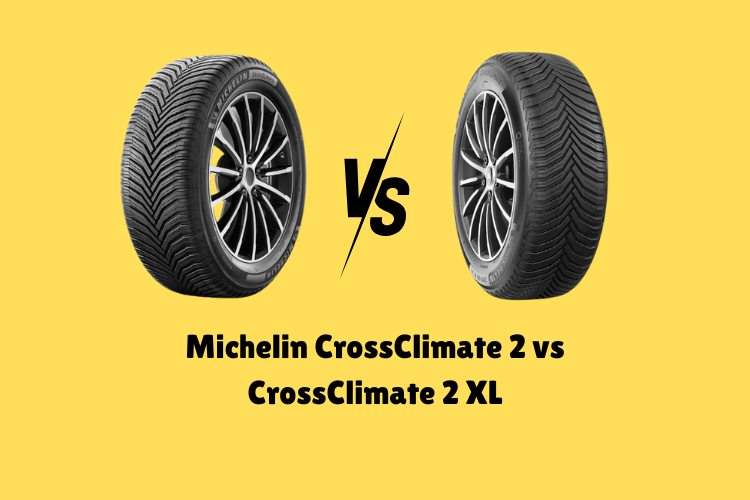
Michelin’s CrossClimate 2 series has earned a solid reputation for delivering year-round traction, confident handling, and long tread life. Within this lineup, drivers often debate between the standard CrossClimate 2 and the CrossClimate 2 XL.
Both tires share Michelin’s advanced all-season technology and impressive wet and dry grip, yet they serve slightly different purposes. The standard version focuses on everyday comfort and balanced performance, making it ideal for regular passenger vehicles.
The XL variant, on the other hand, steps up with reinforced construction that supports heavier loads and enhances stability under pressure. Understanding what sets these two apart helps drivers choose the right fit for their specific driving style and vehicle needs.
Exploring differences in ride comfort, noise, handling, and durability reveals which tire truly delivers the extra edge in performance and reliability.
Michelin CrossClimate 2 vs CrossClimate 2 XL
The Michelin CrossClimate 2 series stands among the most popular all-season tires in the market. Both the standard CrossClimate 2 and the CrossClimate 2 XL share the same tread design, compound, and overall performance goals.
Still, there are important differences in their construction and intended use. One focuses on daily comfort and balanced driving, while the other adds strength and load capability for heavier vehicles. Let’s explore both in detail.
Michelin CrossClimate 2 Tire

Product Details
-
Brand: Michelin
-
Size: 235/65R17 104H
-
Section Width: 235 Millimeters
-
Load Capacity: 1984 Pounds
-
Tread Depth: 10/32 inches
-
Tread Type: Directional
-
Maximum Pressure: 51 PSI
-
Rim Width: 7 Inches
-
Tire Diameter: 29.1 Inches
-
Load Index: 104
-
Speed Rating: H
This tire fits mid-size SUVs, sedans, and crossovers. It’s designed for drivers who want smooth handling, comfort, and year-round performance, including light winter conditions.
Features
The CrossClimate 2 uses Michelin’s advanced thermal adaptive tread compound that stays flexible in both hot and cold weather. The V-shaped directional tread pattern helps push away water and slush while keeping strong traction on dry roads.
Deep grooves allow good grip on light snow, giving the tire a 3PMSF (Three-Peak Mountain Snowflake) certification for winter performance.
The Piano Noise Reduction Tuning lowers road noise, making rides quieter. The tread is built to wear evenly, offering a long life span and consistent performance over time.
What is the Good?
-
Excellent wet and dry grip.
-
Confident braking in rain and light snow.
-
Very quiet and smooth ride.
-
Long tread life compared to many competitors.
-
Works well in different temperature ranges.
What is the Bad?
-
Price sits higher than many all-season tires.
-
Not ideal for deep snow or off-road use.
-
Slightly softer sidewall limits sporty handling.
Overall Opinion
The Michelin CrossClimate 2 offers a blend of comfort, control, and durability. It suits family vehicles and drivers who want one tire for every season without switching to winter or summer sets.
It handles everyday roads with ease, delivers reliable braking, and gives peace of mind throughout the year.
Michelin CrossClimate 2 XL
Product Details
-
Brand: Michelin
-
Size: 245/60R18 109V XL
-
Section Width: 245 Millimeters
-
Load Capacity: 2271 Pounds
-
Tread Depth: 10/32 inches
-
Tread Type: Directional
-
Maximum Pressure: 50 PSI
-
Rim Width: 7 Inches
-
Tire Diameter: 29.5 Inches
-
Load Index: 109
-
Speed Rating: V
The “XL” in its name stands for Extra Load. It’s designed for heavier vehicles such as large SUVs, trucks, and crossovers that carry more weight or tow small trailers.
Features
The CrossClimate 2 XL shares the same tread design and compound as the standard model but adds reinforced sidewalls to handle higher air pressure and extra load. This makes it more durable under heavy stress and improves cornering stability.
The tire’s advanced rubber blend remains flexible in cold weather, while its stiff internal construction helps keep control on hot asphalt. The tread’s deep channels clear water effectively, preventing hydroplaning and improving braking in rain.
The V-speed rating means it’s built for higher performance and stability at faster highway speeds.
What is the Good?
-
Higher load capacity for heavier vehicles.
-
Better stability under full cargo or towing.
-
Strong grip on both dry and wet roads.
-
Great comfort for long highway drives.
-
Same all-season and winter approval as the regular version.
What is the Bad?
-
Slightly stiffer ride due to reinforced construction.
-
May produce more road feel on rough pavement.
-
Costs more than the standard version.
Overall Opinion
The Michelin CrossClimate 2 XL is a stronger, more capable version of the original tire. It’s perfect for drivers who carry heavy loads, drive large SUVs, or need higher speed stability. It maintains the same all-season excellence while adding extra strength and support for demanding conditions.
Detailed Comparison: Michelin CrossClimate 2 vs CrossClimate 2 XL
Both tires share Michelin’s best all-season technology directional tread, advanced compound, and winter approval. The difference lies in load handling and structure.
The CrossClimate 2 focuses on comfort and everyday versatility. It’s ideal for cars, crossovers, and small SUVs that prioritize ride quality.
The CrossClimate 2 XL adds reinforced sidewalls to manage more weight and pressure. This makes it the better choice for larger vehicles or those carrying heavy passengers or cargo.
Its stiffer structure also enhances stability during sharp turns or high-speed travel, while the standard version feels softer and smoother.
Both deliver great wet braking, quiet performance, and long tread life. The XL version sacrifices a little comfort for durability, while the standard model offers better ride softness and slightly less road feedback.
If your vehicle often hauls heavy loads or has a higher weight rating, the CrossClimate 2 XL is the smarter choice. For lighter vehicles or city driving, the standard CrossClimate 2 provides better comfort and efficiency.
FAQs
1. What does XL mean in tires?
XL stands for Extra Load. It means the tire can carry more weight because it has stronger internal construction and can handle higher air pressure.
2. Are the CrossClimate 2 and CrossClimate 2 XL tread patterns the same?
Yes. Both use the same directional V-shaped tread design and compound technology.
3. Which one is better for SUVs?
The CrossClimate 2 XL is better for larger SUVs, while the regular version suits small to mid-size SUVs.
4. Can I mix CrossClimate 2 and CrossClimate 2 XL on my car?
It’s not recommended. Mixing standard and XL tires can cause uneven handling and wear.
5. Do both versions work in snow?
Yes. Both have the 3PMSF symbol, meaning they meet the winter traction standard for snow performance.
Conclusion
The Michelin CrossClimate 2 and CrossClimate 2 XL stand at the top of all-season versatility. Both handle dry, wet, and snowy roads with confidence. The main difference lies in strength and load capacity.
The standard CrossClimate 2 offers smoother comfort and quiet driving for lighter vehicles, while the CrossClimate 2 XL adds extra durability and stability for heavier cars and SUVs.
Drivers who value comfort and balance will enjoy the CrossClimate 2. Those needing added strength and control under heavy loads will benefit more from the CrossClimate 2 XL. Both remain excellent choices for year-round driving with Michelin’s proven quality.