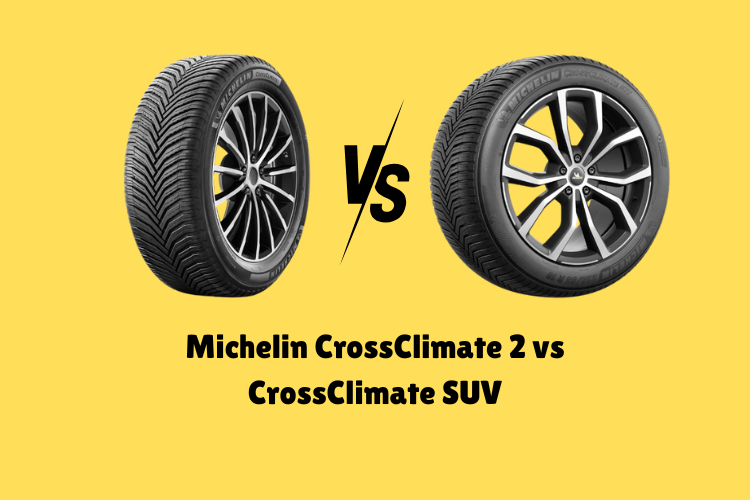
Drivers searching for all-season performance often face a tough decision between the Michelin CrossClimate 2 and the CrossClimate SUV. Both tires promise year-round traction, confident wet handling, and the signature Michelin comfort.
The CrossClimate 2 focuses on precision and stability for sedans, coupes, and crossovers, offering a refined on-road experience with impressive grip in light snow.
The CrossClimate SUV, on the other hand, caters to larger vehicles with reinforced construction that enhances durability and load support without compromising comfort. Each tire blends winter-level traction with summer-like control, but their design priorities differ based on vehicle type and driving habits.
Exploring these distinctions helps drivers match their tire choice to their lifestyle whether that means smooth city cruising or rugged highway travel with extra strength and security.
Michelin CrossClimate 2 vs CrossClimate SUV
Michelin’s CrossClimate tire line changed how drivers see all-season performance. The CrossClimate 2 and CrossClimate SUV are both part of this family, but they serve slightly different types of vehicles and driving needs.
Both tires handle dry, wet, and snowy conditions well, yet each one focuses on unique strengths. This detailed comparison will help you understand which tire fits your car, driving habits, and climate best.
Michelin CrossClimate 2

Product Details
Brand: MICHELIN
Size: 235/65R17 104H
Section Width: 235 Millimeters
Load Capacity: 1984 Pounds
Tread Depth: 10/32 inches
Tread Type: Directional
Maximum Pressure: 51 PSI
Rim Width: 7 Inches
Tire Diameter: 29.1 Inches
Speed Rating: H
Aspect Ratio: 65
Category: All-Season
The Michelin CrossClimate 2 is built for passenger cars, crossovers, and smaller SUVs. It’s known for its balance of year-round grip, smooth comfort, and long tread life.
Features
The CrossClimate 2 uses Michelin’s advanced directional V-shaped tread pattern that pushes away water and slush efficiently. The rubber compound remains flexible even in cold temperatures, giving it better braking and grip on snowy roads.
Its tread blocks have sharp edges that bite into snow, while deeper channels help prevent hydroplaning on wet roads. Michelin’s EverGrip Technology allows the tire to maintain traction as it wears down, meaning the tire stays safe and predictable throughout its lifespan.
The CrossClimate 2 also has a unique thermal-adaptive tread compound. It adjusts to different temperatures, keeping performance steady in hot or cold weather.
What Is the Good?
The biggest advantage of the CrossClimate 2 is its all-around versatility. It handles wet, dry, and light snow conditions with ease. The braking distance is short on both wet and dry surfaces. Ride comfort is impressive—quiet, smooth, and stable, even at high speeds.
The tread life is also longer than many other all-season tires in the same class. Drivers report that it wears evenly, keeping traction consistent even after thousands of miles.
Fuel efficiency is another plus. The design reduces rolling resistance, which can slightly improve fuel economy.
What Is the Bad?
The CrossClimate 2 performs well, but it’s not a perfect fit for everyone. It’s more expensive than many competitors. Also, it’s not meant for deep snow or off-road use.
On rough or gravel roads, the tread may wear faster. Some drivers also find it slightly firm on pothole-ridden streets due to its sturdy sidewalls.
Overall Opinion
The Michelin CrossClimate 2 is a strong all-season performer. It’s ideal for drivers who face changing weather but want to avoid swapping to winter tires.
It delivers reliability, comfort, and long-lasting grip. For cars and small SUVs used mainly on paved roads, it’s a top-tier choice that balances safety with durability.
Michelin CrossClimate SUV
Product Details
Brand: MICHELIN
Size: 235/65R17 104V
Section Width: 235 Millimeters
Load Capacity: 1984 Pounds
Tread Depth: 9/32 inches
Tread Type: Directional
Maximum Pressure: 51 PSI
Rim Width: 7 Inches
Tire Diameter: 29.06 Inches
Speed Rating: V
Aspect Ratio: 65
Category: All-Season SUV
The Michelin CrossClimate SUV is designed specifically for larger vehicles like sport utility vehicles and crossovers. It offers a stronger structure and tougher tread design to handle heavier loads and more demanding road conditions.
Features
The CrossClimate SUV shares the same V-shaped tread pattern as the CrossClimate 2 but with thicker blocks and reinforced shoulders. These features give it extra strength and stability for taller, heavier vehicles.
It’s certified with the 3PMSF (Three-Peak Mountain Snowflake) symbol, proving it meets the standards for severe snow traction. This makes it a dependable option for drivers in colder or mountainous regions.
Michelin uses a high-silica compound that enhances grip on wet and slippery roads. The internal construction has a durable belt package that supports better cornering control and keeps the tire steady during highway speeds.
What Is the Good?
The CrossClimate SUV delivers strong grip on wet and snowy roads. The tire feels stable and confident even under heavy loads. Its reinforced design improves steering precision, giving the driver a sense of control on long drives.
Road noise is kept low despite its rugged build. The tread design helps spread pressure evenly across the contact area, which improves comfort and extends tread life.
The SUV model also performs well in light off-road use, such as gravel or unpaved paths, making it slightly more versatile than the CrossClimate 2.
What Is the Bad?
The main drawback is the price. Like the CrossClimate 2, it sits on the premium side. The ride can also feel a bit firm, especially on lighter SUVs, due to its stronger construction.
The tread depth is slightly shallower than the CrossClimate 2, which can shorten lifespan a little. On very hot days, the tire may feel stiffer than usual.
Overall Opinion
The Michelin CrossClimate SUV is built for heavier vehicles that need strength and stability without losing comfort.
It’s a reliable option for drivers who face mixed weather, from rain to snow, and want a tire that can handle highway and rough terrain equally well. For large SUVs or crossovers, it’s one of the most balanced all-season choices available.
Detailed Comparison for Michelin CrossClimate 2 vs CrossClimate SUV
Both the CrossClimate 2 and CrossClimate SUV share Michelin’s top-level technology for all-season traction, but their designs serve different vehicle types.
The CrossClimate 2 suits sedans, crossovers, and smaller SUVs that prioritize ride comfort and quietness. The CrossClimate SUV is tougher, built to carry heavier loads and maintain stability under pressure.
The CrossClimate 2 has a slightly deeper tread at 10/32 inches, giving it longer tread life and better water evacuation. The SUV version, with 9/32 inches, offers extra sidewall support and more rigid tread blocks for strength.
In dry and wet performance, both tires are excellent, though the CrossClimate 2 feels smoother and more refined. In snow or rough conditions, the SUV version takes the lead, especially with its 3PMSF certification.
Fuel economy tilts in favor of the CrossClimate 2, while durability and off-road stability lean toward the CrossClimate SUV. Pricewise, both are similar, with the SUV version being slightly higher due to its reinforced design.
FAQs
Q1: Can the CrossClimate 2 be used on SUVs?
Yes, it fits smaller SUVs and crossovers, but for heavier models, the CrossClimate SUV performs better.
Q2: Is the CrossClimate SUV a winter tire?
No, it’s an all-season tire, but it’s certified for snow performance with the 3PMSF rating.
Q3: Which tire lasts longer?
The CrossClimate 2 has a slightly deeper tread, so it may last longer under normal driving.
Q4: Are both tires quiet?
Yes, both are designed for low road noise, though the CrossClimate 2 feels a bit softer and quieter.
Q5: Do these tires affect fuel efficiency?
Both have low rolling resistance, but the CrossClimate 2 offers a small edge in fuel savings.
Conclusion
Michelin’s CrossClimate 2 and CrossClimate SUV are both high-quality, all-season tires that handle every type of weather confidently. The CrossClimate 2 is ideal for drivers of cars and small SUVs who want comfort, smoothness, and long tread life.
The CrossClimate SUV fits larger, heavier vehicles that demand stability, snow capability, and strong grip under load.
Choosing between them depends on your vehicle and how you drive. For city and highway travel with light snow, the CrossClimate 2 is the better fit. For more rugged trips or colder climates, the CrossClimate SUV stands out as the safer and stronger option.