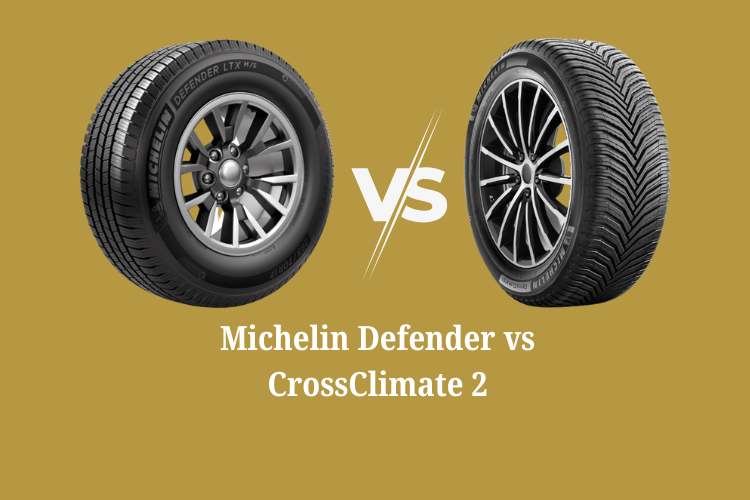
Drivers often face the challenge of selecting a tire that balances safety, durability, and year-round performance. Michelin offers two standout options in this category: the Defender and the CrossClimate 2.
Both models carry Michelin’s reputation for quality, but each caters to different driving needs. The Defender focuses on longevity and consistent all-season traction, making it a favorite for those who want extended tread life and a comfortable ride.
The CrossClimate 2 pushes boundaries with an innovative tread design that excels in diverse conditions, including light snow, rain, and dry roads. One leans toward dependability and long mileage, while the other emphasizes adaptability and confident handling in unpredictable weather.
Understanding the strengths of each tire helps drivers match their choice to daily demands, driving environments, and personal preferences. A closer comparison highlights how these two Michelin options differ and which one may be the smarter investment.
Michelin Defender vs Michelin CrossClimate 2
Tires play a big role in how a vehicle performs, feels, and stays safe. Michelin makes some of the most trusted tires on the road. Two of their popular options are the Michelin Defender LTX M/S 2 and the Michelin CrossClimate 2.
Both serve different needs but share Michelin’s focus on safety, tread life, and comfort. One is built for trucks and SUVs, while the other is designed for cars and lighter vehicles. Let’s explore them in detail.
Michelin Defender Tire

Product Details
-
Brand: Michelin
-
Size: LT265/75R16 123/120R E
-
Section Width: 265 mm
-
Load Capacity: 3415 pounds
-
Tread Depth: 13.5/32nds
-
Tread Type: Symmetrical
-
Maximum Pressure: 80 psi
-
Rim Width: 8 inches
-
Tire Diameter: 31.6 inches
-
Rim Size: 16 inches
-
Aspect Ratio: 75
-
Load Index: 123
-
Speed Rating: R
Features
-
Built with Michelin EverTread 2.0 compound for longer tread life.
-
Full-depth SipeLock sipes for better grip throughout the tire’s life.
-
Designed to handle the power and weight of modern trucks and SUVs.
-
Engineered for a quiet and comfortable ride despite its heavy-duty nature.
-
Delivers dependable traction in wet, dry, and light snow conditions.
What is the good?
-
Exceptional tread life for heavy vehicles.
-
Strong load capacity, great for towing and hauling.
-
Reliable traction even as the tire wears down.
-
Comfortable and quiet ride for a truck tire.
-
Performs well on highways and long-distance driving.
What is the bad?
-
Not designed for severe winter use.
-
Limited performance in deep snow and icy roads compared to winter-rated tires.
-
Higher price than some competitors.
-
More focused on trucks and SUVs, not suitable for cars.
Overall Opinion
The Defender LTX M/S 2 is a perfect match for drivers of trucks, vans, and SUVs who want durability, comfort, and long tread life.
It shines on highways and in heavy-duty use. It is not a specialized winter tire but does well for year-round driving in most climates.
Michelin CrossClimate 2 Tire
Product Details
-
Brand: Michelin
-
Size: 205/55R16 91H
-
Section Width: 205 mm
-
Load Capacity: 1356 pounds
-
Tread Depth: 10/32nds
-
Tread Type: Directional
-
Maximum Pressure: 51 psi
-
Rim Width: 7.5 inches
-
Tire Diameter: 24.9 inches
-
Rim Size: 16 inches
-
Aspect Ratio: 55
-
Load Index: 91
-
Speed Rating: H
Features
-
All-season tire built with directional tread for strong traction.
-
3PMSF snowflake certified, meaning it is approved for winter conditions.
-
Optimized to deliver safety, comfort, and performance in every season.
-
Designed for passenger cars, crossovers, and sedans.
-
Focus on a balance between tread life, wet grip, and snow traction.
What is the good?
-
Strong all-weather performance, including light snow and slush.
-
Winter certification makes it better than most all-season tires.
-
Smooth and quiet ride for daily driving.
-
Good tread life for a tire that handles multiple climates.
-
Reliable grip on wet and dry surfaces.
What is the bad?
-
Higher rolling resistance can slightly reduce fuel efficiency.
-
Price is on the premium side.
-
Not ideal for heavy trucks or towing.
-
May wear faster in hot climates if driven aggressively.
Overall Opinion
The CrossClimate 2 is an excellent option for drivers who live in areas with changing weather.
It handles rain, dry roads, and winter conditions better than a standard all-season tire. It is made for cars and light SUVs, not for heavy-duty trucks.
Detailed Comparison for Michelin Defender vs CrossClimate 2
The Michelin Defender LTX M/S 2 and Michelin CrossClimate 2 serve different drivers. The Defender is made for heavy trucks, pickups, and SUVs that need strength, high load capacity, and long tread life.
Its symmetrical tread and EverTread compound allow it to last longer under heavy use. It performs best on highways, towing, and long trips, offering a smooth ride for a tough tire.
The CrossClimate 2, on the other hand, is designed for cars, sedans, and crossovers. Its directional tread pattern and 3PMSF certification make it a true all-weather tire.
It handles snow and wet roads better than the Defender, but it cannot match the Defender’s strength for hauling or towing.
In short:
-
Defender LTX M/S 2 = Best for trucks, towing, long life.
-
CrossClimate 2 = Best for cars, all-weather safety, snow-capable.
FAQs
1. Which tire lasts longer?
The Defender LTX M/S 2 generally lasts longer, especially under heavy loads.
2. Can the CrossClimate 2 be used on trucks?
It is not recommended. It works best for cars and lighter SUVs.
3. Is the Defender good in snow?
It handles light snow, but it is not winter certified like the CrossClimate 2.
4. Which one is more comfortable?
Both offer comfort, but the CrossClimate 2 is smoother for smaller cars.
5. Which tire is better for highway travel?
The Defender LTX M/S 2 is better for long highway trips, especially with larger vehicles.
Conclusion
Both tires represent Michelin’s commitment to quality but serve different needs. The Defender LTX M/S 2 is ideal for trucks and SUVs that need strength, durability, and long tread life.
The CrossClimate 2 is built for cars and crossovers that face changing weather, including snow and rain. Choosing between them depends on your vehicle type and driving environment.