Product Details
Features
The Michelin CrossClimate 2 is known for its true four-season capability. It carries the Three-Peak Mountain Snowflake symbol, which means it meets the standards for severe snow service.
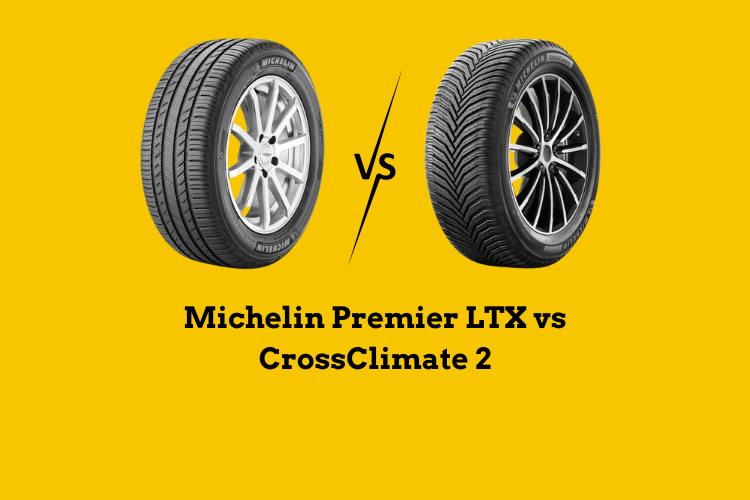
Its directional tread pattern improves water evacuation, helping prevent hydroplaning. The V-shaped tread blocks and deep grooves give firm grip on both wet and snowy surfaces.
Michelin’s thermal adaptive compound allows the tire to stay flexible in cold weather while maintaining strength in the summer heat. It’s built to provide year-round safety and long tread life.
What is the Good?
-
Strong dry and wet traction with confident cornering.
-
Reliable braking in both rain and snow.
-
All-season capability including light winter conditions.
-
Comfortable and quiet ride on highways.
-
Impressive tread life for an all-weather tire.
What is the Bad?
-
Slightly stiffer ride on rough pavement.
-
Higher price tag compared to standard all-season tires.
-
Limited off-road ability due to its tread design.
Overall Opinion
The CrossClimate 2 is a solid choice for drivers who face changing weather through the year. It offers peace of mind in rain, heat, or snow.
The tire’s grip in cold temperatures is among the best in its category, and its directional tread helps maintain control on slippery surfaces.
For drivers in regions with mild to moderate winter conditions, it provides year-round performance without the need for seasonal tire swaps.
Detailed Comparison: Michelin Premier LTX vs CrossClimate 2
Both tires deliver high-quality all-season performance but target different driving needs. The Premier LTX focuses on comfort, quietness, and safety during rain.
Its EverGrip technology keeps braking strong as the tire wears, making it a favorite for those who value smooth daily driving.
The CrossClimate 2, on the other hand, emphasizes versatility. It performs better in cold and snowy weather, with the 3PMSF rating proving its winter ability.
Its tread pattern also gives more bite in wet and slushy roads, while the Premier LTX leans toward warm-weather comfort and highway cruising.
Tread life is similar on both, but the CrossClimate 2’s deeper tread and thermal compound tend to last longer under mixed weather use. The Premier LTX offers a slightly softer and quieter ride, while the CrossClimate 2 feels firmer and more controlled on turns.
In short:
-
For wet grip and comfort: Premier LTX is better.
-
For snow traction and all-season coverage: CrossClimate 2 takes the lead.
-
For long drives and quiet highways: Premier LTX wins on comfort.
-
For year-round safety in unpredictable weather: CrossClimate 2 stands stronger.
FAQs
Q1: Which tire lasts longer, Premier LTX or CrossClimate 2?
Both have similar treadwear warranties, but the CrossClimate 2 often maintains traction better over time due to its deeper tread and compound.
Q2: Can the Premier LTX handle snow?
It can handle light snow, but it’s not built for heavy winter use. The CrossClimate 2 performs much better in snowy conditions.
Q3: Is the CrossClimate 2 louder than the Premier LTX?
The CrossClimate 2 can be slightly louder because of its directional tread, while the Premier LTX is quieter and smoother on highways.
Q4: Which tire is better for long highway drives?
The Premier LTX offers a more comfortable and quieter ride, making it better for long highway trips.
Q5: Which tire gives better value for money?
For drivers in regions with mild winters, the Premier LTX gives solid value. For those facing all kinds of weather, the CrossClimate 2 is worth the higher price.
Conclusion
The Michelin Premier LTX and CrossClimate 2 both stand as premium all-season options but meet different needs. The Premier LTX shines in comfort, wet braking, and quietness ideal for daily drivers in mild climates.
The CrossClimate 2 goes beyond, offering dependable traction in snow and rain while maintaining stability year-round.
Drivers seeking all-weather confidence should pick the CrossClimate 2. Those wanting smooth rides and superior comfort for highways should stay with the Premier LTX. Both deliver Michelin’s trusted quality just in different styles of performance.