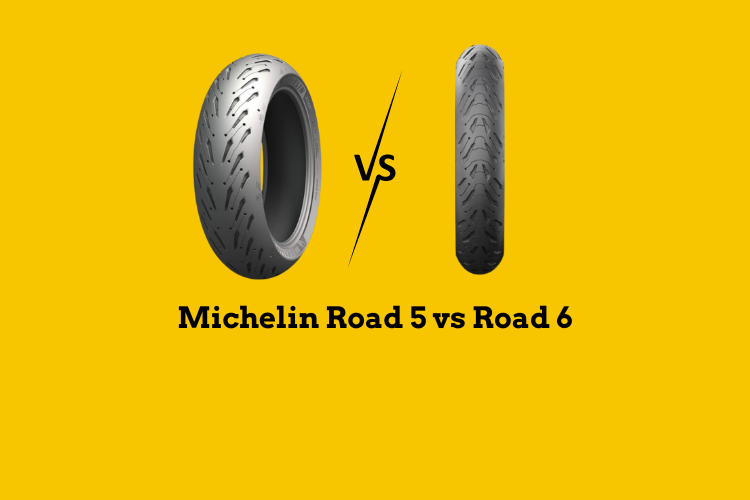
Michelin Road 5 vs Road 6 [Grip, Comfort and Longevity]

Motorcyclists who value precision, control, and confidence on every curve often find themselves torn between the Michelin Road 5 and the Road 6. Both belong to Michelin’s elite sport-touring lineup, built to deliver balanced performance in dry and wet conditions.

The Road 5 gained a strong reputation for its superior wet grip and agile handling, while the Road 6 entered the scene with promises of longer tread life, smoother stability, and improved comfort.

Michelin refined the compound and tread design to meet the demands of riders seeking performance that endures across thousands of miles. The differences between these two tires highlight Michelin’s evolution in tire technology, from dynamic cornering response to enhanced traction during sudden downpours.

Riders seeking the right blend of durability and sport-oriented feel will find this comparison valuable for deciding which tire truly elevates their road experience.

Michelin Road 5 vs Michelin Road 6

Motorcycle tires play a huge role in how a bike feels on the road. The Michelin Road 5 and Michelin Road 6 are both part of Michelin’s sport-touring tire lineup, built to deliver reliable grip, comfort, and safety in all weather conditions.

Both tires share similar goals, but they are designed with slightly different riders in mind. The Road 5 focuses on agility and sport-style riding. The Road 6 builds on that formula but adds more comfort, stability, and longer mileage.

Each tire brings something unique to the table, depending on how you ride, how far you travel, and what conditions you face. Let’s dive into the full breakdown of both.

MICHELIN Road 5 Touring Radial Tire

MICHELIN Road 5 Touring Radial Tire


Product Details

  • Brand: Michelin

  • Size: 180/55ZR-17 (73W)

  • Section Width: 180 mm

  • Load Capacity: 805 lbs

  • Tread Depth: 7 mm

  • Tread Type: Directional

  • Maximum Pressure: 73 psi

  • Rim Width: 17 inches

  • Tire Diameter: 644 mm

  • Load Index: 73

  • Speed Rating: W

The Michelin Road 5 was introduced to replace the Road 4, bringing improved handling, braking, and a more enjoyable riding feel. It blends sport tire grip with the endurance of a touring tire.

Features

The Road 5 uses Michelin’s XST Evo sipes, a unique groove design that keeps strong wet grip even after thousands of miles. These sipes open wider as the tire wears down, maintaining water evacuation over time.

Its 2CT and 2CT+ compounds combine soft rubber on the edges for grip and harder rubber in the center for durability. This dual-compound design helps keep the tire balanced between long life and traction.

See also  Michelin CrossClimate2 vs Bridgestone Alenza AS Ultra

Michelin’s ACT+ casing technology gives the tire better stiffness at lean angles, offering sharp feedback and stability during cornering.

It also features a directional tread pattern with deep channels for wet traction and a firm shoulder for confident cornering.

What is the good?

The Road 5 delivers impressive grip in dry conditions and feels extremely safe in the rain. Its braking ability remains consistent even after thousands of miles, which few tires can claim.

Riders often note how quick and responsive it feels. The tire reacts instantly to handlebar inputs, which gives a sense of control during fast cornering.

On highways, the Road 5 stays stable, though it’s clearly designed more for spirited road riding than long-distance comfort.

Key strengths include:

  • Superior wet braking performance.

  • Lively handling and fast response.

  • Reliable traction during aggressive cornering.

  • Strong stability even under hard acceleration.

  • Maintains braking performance after wear.

What is the bad?

The sporty design has some trade-offs. The tire wears faster on the rear, especially if you ride aggressively or carry heavy loads.

It can feel slightly firm or harsh on rough surfaces since it prioritizes performance over comfort. The noise level can rise as it ages.

Main drawbacks:

  • Shorter rear tire life for aggressive riders.

  • Slightly firm ride on uneven roads.

  • Price sits at the premium end.

  • More performance-focused than comfort-oriented.

Overall Opinion

The Michelin Road 5 is aimed at riders who love spirited performance. It combines wet safety with sharp handling and a playful feel.

It’s ideal for solo riders who often explore twisty roads or push their bikes hard. The Road 5 doesn’t just perform it keeps doing so after thousands of miles, which is rare in the sport tire category.

MICHELIN Road 6 Front Tire

MICHELIN Road 6 Front Tire


Product Details

  • Brand: Michelin

  • Size: 120/70ZR-17 (58W)

  • Section Width: 120 mm

  • Tread Type: Asymmetrical

  • Maximum Pressure: 58 psi

  • Rim Width: 17 inches

  • Load Index: 60

  • Speed Rating: ZR

  • Weight: 10.9 lbs

The Michelin Road 6 is the latest generation in the series. It refines what the Road 5 did best but adds new materials, compounds, and structure for better all-weather and long-distance performance.

Features

Michelin spent over two decades developing the Road 6 using experience from both road and track technology.

It uses a new Silica Rain Technology compound, improving grip in cold and wet weather. The silica particles enhance flexibility, helping the tire hold traction even at low temperatures.

See also  Michelin Primacy MXM4 vs Pilot Sport All Season 4

A fresh water-optimized tread pattern works with deeper channels and a redesigned groove layout to clear more water per second than the Road 5.

The 2CT+ compound is still present but now improved, giving even smoother transitions between center and side rubber. The tire also features Michelin’s Reinforced Radial-X Evo casing, which gives more flexibility on straight roads and more rigidity in corners.

What is the good?

The Road 6 feels stable, smooth, and predictable. It offers better comfort on long rides, especially for sport-touring and adventure motorcycles.

The improved tread pattern provides up to 10% longer mileage compared to the Road 5. Many riders report more even wear and consistent grip throughout its lifespan.

It’s quieter too, with reduced vibration and a more balanced ride.

Strong points include:

  • Extended tread life with steady performance.

  • Better wet traction and shorter braking distance.

  • Enhanced comfort for touring.

  • More stability at high speeds or with luggage.

  • Quiet and smoother ride feel.

What is the bad?

The Road 6 is heavier and slightly less responsive in quick direction changes. Riders who prefer a sporty feel might find it slower to tip into corners.

It also costs more due to its newer design and premium materials.

Main cons:

  • Feels heavier in handling compared to Road 5.

  • Slightly slower steering response.

  • Higher price point.

  • Takes longer to reach ideal temperature in cold weather.

Overall Opinion

The Michelin Road 6 is an upgrade for riders who want more comfort, better endurance, and improved wet safety.

It’s a tire for those who ride long distances, through rain or shine, and expect consistent grip throughout its life. It feels refined, solid, and calm the perfect tire for riders who tour or commute daily.

Detailed Comparison for Michelin Road 5 vs Road 6

The Road 5 and Road 6 look similar at first glance, but their performance traits make them stand apart.

Grip and Handling:
The Road 5 delivers sharper handling. It’s lighter on the handlebars and encourages spirited cornering. The Road 6, while slightly heavier, provides smoother transitions and better balance, especially with added weight like a passenger or luggage.

Wet Weather Confidence:
Both use advanced siping, but the Road 6’s redesigned tread and silica compound make it the better performer in rain. It grips better on cold, slippery roads and resists hydroplaning more effectively.

See also  Michelin Bib Mousse M14 vs M18 [Off-Road Endurance Showdown]

Longevity:
The Road 6 clearly wins. The new rubber mix and tread structure extend life by about 10%. It wears evenly and maintains performance for longer distances.

Comfort:
The Road 6 absorbs bumps more effectively. Michelin’s improved casing gives a softer, quieter ride. The Road 5 transmits more vibration but feels sportier.

Stability:
At highway speeds, the Road 6 stays planted. It holds its line in crosswinds or with added weight, while the Road 5 feels livelier but can twitch under heavy load.

Sport Feel:
The Road 5 is the tire for riders who love twisty roads and fast transitions. The Road 6 feels calmer, built for steady touring rather than aggressive sport riding.

Price and Value:
The Road 6 costs more but pays off with longer life and better comfort. The Road 5 remains a better pick for riders who replace tires more often or prefer pure cornering fun.

FAQs

Which tire lasts longer?
The Road 6 lasts roughly 10% longer than the Road 5 due to improved compounds and tread design.

Which tire gives better grip?
The Road 5 offers slightly better dry grip. The Road 6 gives better wet grip and stability.

Is the Road 6 worth upgrading from the Road 5?
Yes, if you ride long distances or want more comfort and stability. The Road 5 is still excellent for sporty, short rides.

Which tire is better for touring motorcycles?
The Road 6 suits touring bikes better, thanks to improved comfort and tread life.

Can both be used on the same bike?
Yes, but it’s best to match sets. Each tire’s compound and structure are designed to work together.

Conclusion

Both the Michelin Road 5 and Road 6 deliver impressive all-around performance.

The Road 5 is the sportier choice agile, sharp, and exciting. It thrives on twisty roads and rewards active riders with quick response and excellent wet grip.

The Road 6 takes that foundation and builds on it with added refinement. It’s smoother, longer-lasting, and more confident on wet or uneven roads. It fits riders who want to travel farther, with less fatigue and more control.

In simple terms:

  • Road 5: For sporty, fun, and short-to-medium rides.

  • Road 6: For touring, comfort, and all-weather endurance.

Both are leaders in the sport-touring category, proving why Michelin remains a trusted name among riders worldwide.


Leave a Comment