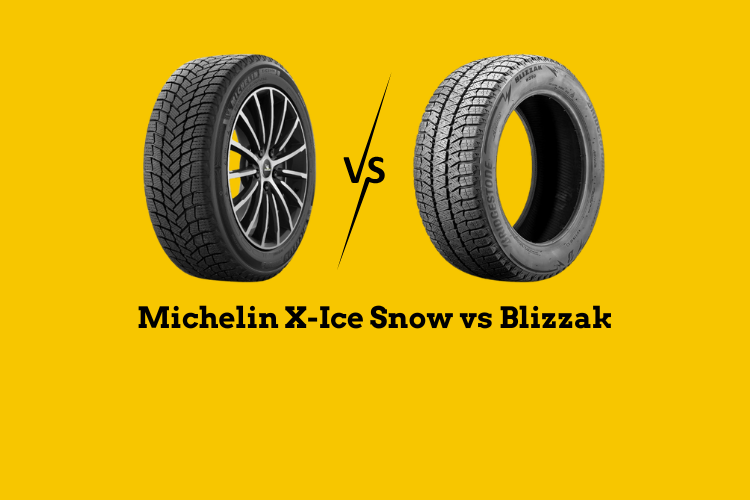
Winter roads demand confidence, and two giants dominate the cold-weather tire arena the Michelin X-Ice Snow and the Bridgestone Blizzak. Each tire promises traction, stability, and safety through snow, ice, and slush, yet their approach to performance differs in key ways.
Michelin focuses on long-lasting grip and refined road manners, while Bridgestone pushes raw traction and aggressive ice control. Drivers in harsh climates often debate which tire delivers the best balance between comfort, durability, and control.
Both options have earned loyal followings for their consistent winter reliability, but small design differences create big variations in handling and braking response. A closer look reveals how tread design, rubber compounds, and real-world performance set them apart.
This comparison breaks down every major factor that influences winter driving confidence, helping drivers decide which tire delivers superior grip for their specific conditions.
Michelin X-Ice Snow vs Bridgestone Blizzak
Winter tires are not just about surviving the cold. They are about keeping control when the roads turn white and slick. Two of the most respected names for winter safety are Michelin X-Ice Snow and Bridgestone Blizzak. Both are premium options trusted by drivers in regions where temperatures drop far below freezing.
Yet they differ in design, compound, and long-term performance. Michelin focuses on balance, long tread life, and comfort. Bridgestone aims for raw traction and superior stopping power on ice. Let’s explore both in deep detail.
Michelin X-Ice Snow Tite

Product Details
Brand: Michelin
Size: 225/65R17XL 106T
Section Width: 225 mm
Load Capacity: 2,094 pounds
Tread Depth: 10.5/32 inches
Tread Type: Symmetrical
Maximum Pressure: 50 PSI
Rim Width: 6.5 inches
Tire Diameter: 28.5 inches
Aspect Ratio: 65
Speed Rating: T
This tire is designed for SUVs, crossovers, and sedans that face long, cold, and snowy seasons. Michelin built it with modern technology to give grip and braking confidence on snow, ice, and slush while keeping road comfort high.
Features
The Michelin X-Ice Snow carries some of the brand’s most advanced winter technology. It uses a Flex-Ice 2.0 compound, a silica-based rubber that stays soft and flexible even below -30°C. This flexibility keeps the tread blocks active, helping them mold to icy surfaces for more grip.
It also uses EverWinterGrip technology small rubber inclusions that act like micro claws, biting into ice crystals. These inclusions don’t wear away quickly, so the tire maintains traction through several winters.
The tread has a V-shaped directional pattern with wide transversal grooves. This design clears snow, slush, and water faster, reducing the chance of hydroplaning or losing traction in deep slush.
Each tread block has full-depth 3D sipes tiny zigzag cuts that improve grip on packed snow and ice. As the tire wears, these sipes remain functional because they run all the way to the base of the tread. That’s why the tire can still grip well after thousands of miles.
Michelin backs this model with a 40,000-mile treadwear warranty, which is rare for a winter tire. It’s built not just for one winter, but for several.
What Is the Good?
-
Excellent ice braking. Stops shorter than many winter tires in icy conditions.
-
Strong traction on compact snow. The deep sipes and flexible compound create solid grip even on frozen roads.
-
Long tread life. Can last several winters before showing major wear.
-
Stable handling on dry pavement. Feels more like an all-season tire when the road clears.
-
Comfortable and quiet. Smooth ride and low noise for a winter-focused tire.
Drivers report that Michelin X-Ice Snow feels balanced. It doesn’t just grip in the cold – it stays composed at higher speeds on dry highways too.
What Is the Bad?
-
Price. Costs more than most mid-range winter tires.
-
Less bite in deep, loose snow. Its focus on comfort and longevity reduces aggressiveness in extreme snow depth.
-
Slight stiffness in mild weather. Feels firmer when temperatures are just above freezing.
This tire is ideal for drivers who deal with a mix of conditions icy mornings, wet slush, and occasional deep snow rather than only heavy snowstorms.
Overall Opinion
Michelin X-Ice Snow combines stability, comfort, and long-term value. It’s a smart choice for drivers who want a winter tire that performs consistently year after year.
The advanced compound and sipes keep traction alive long after other tires lose their edge. For daily commuters, highway drivers, and families, it offers a balance of safety and quiet comfort that’s hard to beat in a snow tire.
Bridgestone Blizzak Winter Tire
Product Details
Brand: Bridgestone
Size: 225/65R17
Section Width: 225 mm
Load Capacity: 1,874 pounds
Tread Depth: 12/32 inches
Tread Type: Asymmetrical
Rim Width: 6.5 inches
Tire Diameter: 28.5 inches
Aspect Ratio: 65
Speed Rating: H
The Bridgestone Blizzak is one of the best-known winter tires in the world. It’s a top choice for drivers who deal with black ice, heavy snowfall, and freezing slush. The Blizzak series has been trusted for decades in northern regions where winter is long and severe.
Features
Blizzak uses Multi-Cell Compound technology, which is unique to Bridgestone. The tread rubber contains thousands of microscopic pores and bite particles.
These act like suction cups that pull away the thin layer of water on top of ice, helping the rubber connect directly to the surface. That’s what gives the Blizzak its excellent ice traction it grips where others slide.
The asymmetrical tread design improves cornering and directional control. Wide shoulder blocks provide stability during turns, while the center grooves push snow and slush outward.
Bridgestone also includes 3D zigzag sipes to create hundreds of biting edges for grip on packed snow. As the tire flexes, these edges open and close, clearing water while maintaining traction.
The 12/32 tread depth helps in deep snow, digging through soft powder to reach the road below.
What Is the Good?
-
Unmatched grip on ice. Micro-cell technology gives better traction on slick, frozen surfaces.
-
Strong braking in cold conditions. Stops fast even on black ice or compact snow.
-
Predictable cornering and handling. Feels steady during turns, even at moderate speeds.
-
Great snow evacuation. Deep tread and wide grooves keep contact with the surface.
-
Proven performance. Long history of success in winter tire tests and user reviews.
The Blizzak shines in extreme cold. It’s the tire many drivers trust for hilly terrain, frozen lakes, and hard-packed ice roads.
What Is the Bad?
-
Shorter lifespan. Wears faster than Michelin once the top performance layer fades.
-
No treadwear warranty. Bridgestone does not cover mileage, as the compound focuses on grip over longevity.
-
Slightly louder on dry roads. Generates more hum compared to Michelin.
After about half of its tread wears off, the special micro-cell layer becomes less effective. The tire still grips well but loses some of its original ice advantage.
Overall Opinion
Bridgestone Blizzak is made for drivers who face harsh winter extremes. It grips where others fail and stops confidently on icy surfaces. It may not last as long as Michelin, but it provides top-tier safety during the coldest months.
For drivers in areas with consistent snow and ice, the Blizzak is one of the most trusted names in winter performance.
Detailed Comparison: Michelin X-Ice Snow vs Bridgestone Blizzak
Both tires dominate winter performance charts, but their design focus differs. Michelin X-Ice Snow prioritizes long life, comfort, and all-around reliability. Bridgestone Blizzak focuses on raw grip and control in the harshest ice conditions.
Michelin’s Flex-Ice 2.0 compound remains flexible longer and performs better across varying temperatures. It’s ideal for cities and highways where roads switch between dry, slushy, and icy. The tire feels more stable at higher speeds and quieter inside the cabin.
Bridgestone’s Multi-Cell compound offers stronger initial traction on fresh ice. Those microscopic pores are a big advantage during freezing rain or black-ice mornings. Yet that advantage fades faster over time, as the top layer wears away.
In wet slush, both perform well, but Michelin’s V-shaped tread with wider grooves gives it slightly better control. On deep snow, Bridgestone’s deeper tread and aggressive edges bite harder.
Tread life clearly favors Michelin. Its long-lasting rubber and deeper sipes keep performance consistent for multiple seasons, while Bridgestone’s performance peaks early.
In short:
-
For longer-lasting reliability: Michelin X-Ice Snow.
-
For pure winter traction: Bridgestone Blizzak.
FAQs
Q1: Which tire lasts longer?
Michelin X-Ice Snow lasts longer. It has a 40,000-mile warranty and a harder base compound.
Q2: Which performs better on ice?
Bridgestone Blizzak has stronger ice traction in early tread life due to its Multi-Cell compound.
Q3: Which is quieter and smoother?
Michelin X-Ice Snow runs quieter and offers a more comfortable highway ride.
Q4: Which tire is better for mixed winter conditions?
Michelin X-Ice Snow handles mixed conditions dry, wet, and icy more consistently.
Q5: Which tire grips better in deep snow?
Bridgestone Blizzak provides more bite in deep snow thanks to its deeper tread and soft compound.
Q6: Can both be used year-round?
No. Both are winter-only tires. Using them in warm weather will wear them out faster.
Conclusion
Both Michelin X-Ice Snow and Bridgestone Blizzak are leaders in winter safety, but they serve different needs. Michelin gives long tread life, comfort, and balanced performance. Bridgestone delivers unbeatable traction on ice and snow but trades some durability for that grip.
For city driving, long commutes, or mixed winter roads – Michelin X-Ice Snow is the smarter choice.
For deep winter regions with black ice and constant snowfall – Bridgestone Blizzak offers stronger bite and stopping power.
Both tires show the best of winter tire engineering Michelin’s focus on endurance, Bridgestone’s focus on grip. Choosing between them depends on your climate, driving style, and how long your winters last.