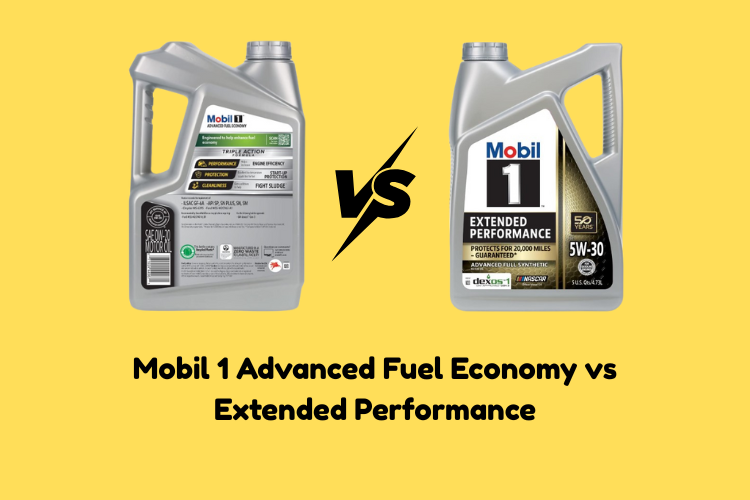
Drivers often debate which synthetic oil delivers the best mix of efficiency, protection, and real-world value inside modern engines. Mobil 1 Advanced Fuel Economy targets maximum mileage with a low-viscosity formula that reduces friction and boosts everyday efficiency.
Extended Performance takes a different path by focusing on long drain intervals, high-temperature stability, and sustained wear control. This matchup reveals how two oils from the same brand solve very different driving priorities through distinct additive packages and base oil blends.
City commuters, highway cruisers, and high-mileage drivers all demand unique strengths from engine oil across changing conditions. Fuel economy gains attract budget-conscious owners, while extended service protection appeals to drivers who prefer fewer oil changes.
Real performance differences appear under cold starts, stop-and-go traffic, heavy loads, and long-distance heat cycles. This guide breaks down how Mobil 1 Advanced Fuel Economy and Mobil 1 Extended Performance compete on efficiency, durability, cost, and engine longevity.
Mobil 1 Advanced Fuel Economy vs Extended Performance
Engine oil works under extreme stress. Heat climbs fast. Metal parts move thousands of times per minute. Dirt forms from fuel burn. Moisture enters during short trips. Oil must clean, cool, seal, and protect all at once. One formula cannot serve every driver the same way. Real needs decide the outcome.
Mobil 1 Advanced Fuel Economy

This oil targets modern engines that chase low fuel use. Engineers design tight engine gaps today. Thin oil fits those gaps better. Less drag forms inside the engine. Power flows with ease. Fuel waste drops.
Daily traffic suits this oil. Stop-and-go driving creates sludge risk. Short trips leave water inside the crankcase. Fast oil flow reduces that risk.
Product Details
Mobil 1 Advanced Fuel Economy uses a low-viscosity synthetic base oil. The 0W rating means fast cold flow. Metal receives oil within seconds after startup. The 20 weight at operating temperature keeps friction low. Triple Action Formula controls three main threats. Heat. Wear. Sludge.
Detergents stay active during short trips. Anti-wear agents protect timing chains. Friction modifiers lower resistance between moving parts. Each quart supports clean and light operation.
Key Differences
Oil Type
Full synthetic molecules stay uniform in shape. Uniform shape keeps thickness steady under pressure. Mineral oil cannot match that stability.
Viscosity Options
0W-20 serves as the main grade. Flow speed stays fast in winter. Pump resistance stays low at startup. Fuel burn drops as a result.
Additive Packages
Calcium detergents clean carbon. Zinc agents protect cams and lifters. Moly friction agents ease metal contact. Oxidation blockers slow oil aging.
Recommended Use Cases
City commuters benefit the most. Hybrid cars rely on thin oil for fast engine restarts. Turbo gas engines also gain from rapid oil flow.
Performance Comparison
Engine Protection
Oil film stays thin but stable. Metal parts stay separated under normal load. Wear stays low at moderate RPM.
Fuel Efficiency
Lower pumping loss allows the engine to spin with less effort. Gas savings show most during city driving.
Mileage Longevity
Protection remains strong up to 10,000 miles under clean driving conditions. Short trips may shorten that range.
Cold-Start Performance
Cold oil causes most engine wear. Fast oil spread cuts that damage. Starter motor strain also drops.
High-Temperature Stability
Heat resistance stays solid for daily use. Heavy towing creates stress faster than the oil design prefers.
Product Options & Specs
Viscosity: 0W-20
Flash Point: 224°C
Volume: 5 Quarts
Vehicle Type: Gas cars and light trucks
Tech Level: ILSAC GF-6
LSPI Protection: Yes
Timing Chain Guard: Yes
Catalytic Converter Safe: Yes
Pros and Cons (Real Impact)
Pros
-
Better daily fuel use
-
Fast oil pressure at startup
-
Clean piston rings
-
Smooth idle behavior
-
Lower internal engine drag
Cons
-
Thinner oil under heavy load
-
Shorter service life than long-drain oils
-
Less margin for high-temperature towing
Mobil 1 Extended Performance
This oil focuses on time and stress. Long oil change gaps remain the goal. Thicker protection supports long highway use. High heat stability protects turbochargers and piston rings. Owners who dislike frequent service favor this oil.
Product Details
Mobil 1 Extended Performance uses stronger base stock and a heavier additive load. The 5W rating still allows cold flow. The 30 weight at operating temperature resists thinning under heat. Triple Action+ Formula adds stronger detergents and higher oxidation control. Oil structure holds shape for many months of use.
Key Differences
Oil Type
Synthetic base stocks resist molecular breakdown longer. Oxidation slows even after thousands of miles.
Viscosity Options
5W-30 serves as the common grade. Thicker film guards bearings during long high-speed runs.
Additive Packages
Extra antioxidants slow oil darkening. Phosphorus and zinc compounds boost wear defense. Seal conditioners support gasket health.
Recommended Use Cases
Highway commuters benefit most. Drivers who travel long distances enjoy fewer service stops. Hot regions suit this oil well.
Performance Comparison
Engine Protection
Thicker oil film supports crankshaft bearings under load. Piston skirts remain better protected during long climbs.
Fuel Efficiency
Slight drag increase may appear versus 0W-20 oils. Highway speed keeps the difference small.
Mileage Longevity
Clean operation extends up to 20,000 miles under steady driving. Severe duty shortens that window.
Cold-Start Performance
Cold protection down to -40°F allows safe winter use. Oil still flows before metal contact occurs.
High-Temperature Stability
Heat protection reaches 500°F. Turbo heat zones remain protected even under boost.
Product Options & Specs
Viscosity: 5W-30
Cold Flow: -40°F
Heat Resistance: 500°F
Volume: 5 Quarts
Vehicle Type: Gas cars
LSPI Protection: Yes
Deposit Control: High
Long Drain Formula: Yes
Pros and Cons (Real Impact)
Pros
-
Long service interval
-
Strong turbo protection
-
Better heat control
-
Reduced oil consumption
-
Stable protection for older engines
Cons
-
Slight drop in fuel savings
-
Higher per-change cost
-
Less benefit for short-trip drivers
Deep Behavior Comparison (Real Driving View)
Advanced Fuel Economy works best in engines that stop and start often. Short trips create moisture and fuel dilution. Thin oil clears that mix faster. Fuel savings also appear faster in traffic.
Extended Performance works best during long steady runs. Oil temperature stays stable. Contaminants burn off at highway speed. Thick oil film protects metal under long stress periods.
City life favors one oil. Highway life favors the other.
Extended Comparison Table
| Feature | Advanced Fuel Economy | Extended Performance |
|---|---|---|
| Main Goal | Save fuel | Extend oil life |
| Viscosity | 0W-20 | 5W-30 |
| Drain Interval | 10,000 miles | 20,000 miles |
| City Driving | Excellent | Good |
| Highway Driving | Good | Excellent |
| Turbo Support | Moderate | Strong |
| Heat Resistance | High | Very High |
| Oil Consumption | Low | Very Low |
| Best Engine Type | Modern small engines | Larger or older engines |
FAQs
Which oil reduces engine noise better?
Extended Performance may reduce noise due to thicker oil film.
Which oil protects turbochargers better?
Extended Performance handles turbo heat better in long boost cycles.
Which oil suits short daily trips?
Advanced Fuel Economy fits short trips better due to fast circulation.
Which oil fits older engines?
Extended Performance supports worn clearances more safely.
Which oil keeps piston rings cleaner?
Both oils clean well. Extended Performance holds deposits away longer.
Which One Should You Choose?
Advanced Fuel Economy fits drivers who care about gas money. City travel. Cold mornings. Hybrid use. Short weekly travel.
Extended Performance fits drivers who care about service time. Long road travel. Hot weather. Turbo heat. Fewer oil changes.
Driving style controls the final answer. Oil choice must match engine life patterns. Wrong match shortens protection. Right match stretches engine health.