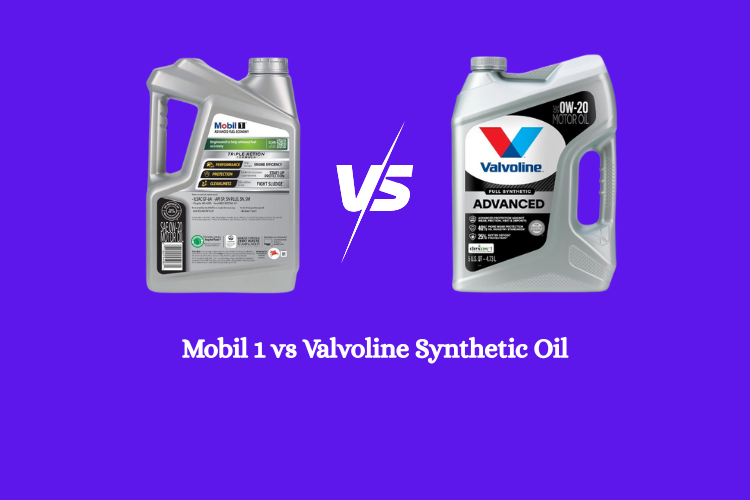
Engine protection defines long-term vehicle health, and motor oil quality shapes that outcome. Drivers across daily commutes, weekend highways, and high-stress engines demand reliability under heat and pressure. Mobil 1 and Valvoline dominate the synthetic oil conversation through decades of racing heritage, lab testing, and street performance.
Both brands promise cleaner internals, stronger film strength, and extended drain intervals. Real differences appear once viscosity stability, cold-start flow, additive chemistry, and wear control enter the discussion. Cost, availability, and approval ratings from major automakers add another layer to the decision.
Mobil 1 emphasizes advanced base stocks and consistent high-temperature stability. Valvoline highlights boosted detergents and Smart Additive Technology for everyday protection. Performance claims sound impressive. Data, driving style, and engine design reveal which oil delivers better value for specific needs.
This comparison breaks down strength, durability, cleaning power, and price positioning in clear terms. A sharper choice starts with insight.
Mobil 1 Synthetic Oil vs Valvoline Synthetic Oil
Two strong names. Two trusted formulas. One engine decision.
Engines fight heat, friction, and dirt every second. Oil stands between metal parts. Weak oil breaks down fast. Strong oil keeps parts alive. Mobil 1 builds its image on fuel savings and clean flow. Valvoline builds its name on wear control and engine defense.
Drivers care about protection, price, and oil life. Clear facts matter. This guide explains everything in simple words.
Mobil 1 Synthetic Oil

Mobil 1 Advanced Fuel Economy targets daily city driving. Thin oil flow helps the engine move with less effort. Better fuel use follows. Short trips stay safer due to fast oil movement at start-up. Hybrid engines gain extra value here. Cold areas also benefit.
Product Details
Mobil 1 Advanced Fuel Economy uses full synthetic base oil. The Triple Action Formula focuses on three jobs. Protection. Cleaning. Heat control.
The 0W-20 grade flows very fast during start-up. Oil pressure builds fast. Engine parts meet protection early. Mobil recommends oil change up to 10,000 miles under normal driving.
Key Differences
Oil Type
Full synthetic oil with low-friction design.
Viscosity Options
0W-16, 0W-20, 0W-30, 5W-30, 10W-30, up to 15W-50.
Additive Packages
Detergents clean internal parts. Friction modifiers reduce drag. Anti-wear agents protect timing chains and cams.
Recommended Use Cases
- Daily city driving
- Hybrid vehicles
- Small gas engines
- Cold weather driving
Performance Comparison
Engine Protection
Stable oil film protects bearings and cam parts during normal driving.
Fuel Efficiency
Thin oil reduces drag inside the engine. Fuel use drops during traffic driving.
Mileage Longevity
Protection stays stable near 10,000 miles under clean conditions.
Cold-Start Performance
Fast oil movement protects parts almost instantly during winter starts.
High-Temperature Stability
Heat resistance stays strong during highway speeds.
Product Options & Specs
Viscosity: 0W-20
Oil Type: Full Synthetic
Drain Interval: Up to 10,000 miles
Vehicle Type: Cars and light trucks
Flash Point: 224°C
Cold Flow: Very fast
Volume: 5 Quarts
Pros and Cons
Pros
-
Strong fuel savings
-
Very fast cold flow
-
Clean engine control
-
Wide viscosity choices
-
Trusted long-term brand
Cons
-
Higher price per quart
-
Not built for heavy towing
-
Less focused on rust defense
Valvoline Advanced Full Synthetic Oil
Valvoline Advanced Full Synthetic focuses on wear control and rust defense. Strong water protection separates this oil from many rivals. High detergent strength keeps engines clean for longer time. American engines often pair well with this oil. Family cars and long-term ownership benefit most.
Product Details
Valvoline Advanced uses full synthetic base oil with heavy wear protection focus. The formula fights four engine threats. Wear. Friction. Heat. Deposits. Water intrusion protection stands out as a key strength. Rust and corrosion slow down inside the engine. Sequence IVB and GMOD tests confirm strong wear and deposit control.
Key Differences
Oil Type
Full synthetic oil with high rust and corrosion protection.
Viscosity Options
0W-16, 0W-20, 0W-30, 5W-30, 5W-40, 10W-30, 20W-50.
Additive Packages
High rust inhibitors fight moisture damage. Strong detergents clean pistons. Wear blockers protect valve trains.
Recommended Use Cases
- Long-term ownership
- Moist or humid areas
- Daily family cars
- Mixed city and highway driving
Performance Comparison
Engine Protection
Extra wear resistance protects cam and lifter parts under load.
Fuel Efficiency
Low friction design helps fuel use stay steady.
Mileage Longevity
Drain safety stays near 8,000 to 10,000 miles.
Cold-Start Performance
Cold flow stays fast with slightly thicker protection than Mobil 1.
High-Temperature Stability
Thermal resistance stays strong during summer driving.
Product Options & Specs
Viscosity: 0W-20
Oil Type: Full Synthetic
Drain Interval: Up to 10,000 miles
Vehicle Type: Cars and trucks
Flash Point: 200°C
Cold Flow: Fast
Volume: 5 Quarts
Pros and Cons
Pros
-
Strong rust protection
-
High wear resistance
-
Heavy deposit control
-
Wide vehicle compatibility
-
Lower sale price
Cons
-
Slightly lower cold flow speed
-
Fuel savings slightly lower
-
Packaging sizes vary by store
Detailed Comparison for Mobil 1 vs Valvoline Synthetic Oil
Mobil 1 supports drivers who want better fuel savings and quick cold starts. Short trips feel safer. Hybrid engines run smoother. City traffic suits this oil well.
Valvoline suits drivers who care about long engine life and rust safety. Humid areas gain more protection. Long ownership plans benefit here.
Mobil 1 favors efficiency.
Valvoline favors durability.
Comparison Table
| Feature | Mobil 1 Advanced Fuel Economy | Valvoline Advanced Full Synthetic |
|---|---|---|
| Base Oil | Full Synthetic | Full Synthetic |
| Viscosity Grade | 0W-20 | 0W-20 |
| Drain Interval | Up to 10,000 miles | Up to 10,000 miles |
| Fuel Economy | Excellent | Very good |
| Cold Start | Very fast | Fast |
| Wear Protection | Very good | Excellent |
| Rust Protection | Good | Very strong |
| Heat Stability | Strong | Strong |
| Best For | City cars, hybrids | Family cars, long ownership |
| Price Level | Slightly higher | Slightly lower |
FAQs
Which oil lasts longer between oil changes?
Both oils support up to 10,000 miles.
Which oil protects better against rust?
Valvoline offers stronger water and rust defense.
Which oil saves more fuel?
Mobil 1 delivers better fuel economy.
Which oil suits cold weather better?
Mobil 1 flows faster during cold starts.
Which oil suits long-term ownership better?
Valvoline fits long ownership plans well.
Which One Should You Choose?
Mobil 1 fits drivers who want fuel savings and fast cold starts. City commuters benefit most. Hybrid drivers also gain strong value.
Valvoline fits drivers who want heavy wear defense and rust control. Humid climates gain protection. Long-term ownership plans favor this oil.
Fuel savings point toward Mobil 1.
Engine durability points toward Valvoline.
Driving style makes the final call.