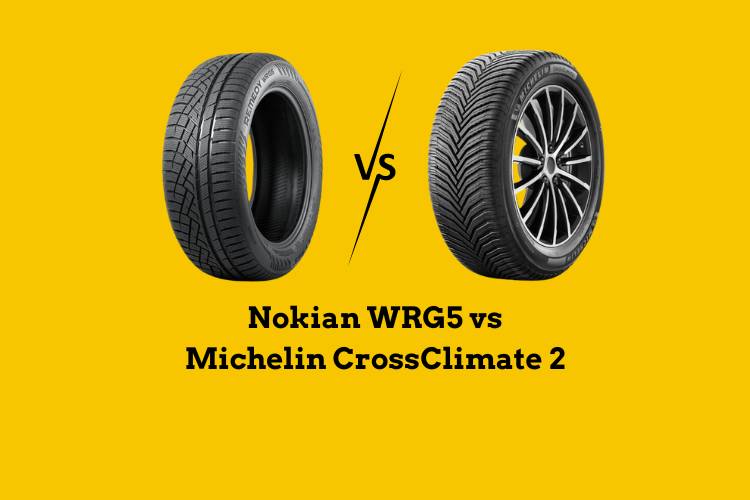
Drivers who face unpredictable weather need tires that deliver confident traction year-round. The Nokian WRG5 and Michelin CrossClimate 2 stand out as two of the most capable all-weather options, each designed to bridge the gap between summer precision and winter security.
Nokian’s WRG5 brings Nordic expertise to everyday driving, combining advanced siping and a flexible tread compound for grip on snow and slush. Michelin’s CrossClimate 2 counters with refined handling, longer tread life, and outstanding performance on wet and dry pavement.
Both aim to deliver the comfort of an all-season tire with the control of a winter tire, but their design philosophies and performance traits differ in meaningful ways.
Exploring their strengths in traction, comfort, treadwear, and price reveals which tire better suits modern drivers who refuse to compromise on safety or performance in any season.
Nokian WRG5 vs Michelin CrossClimate 2
Drivers often want one tire that can handle rain, snow, and dry pavement all year. Nokian WRG5 and Michelin CrossClimate 2 are two premium all-weather tires built for that purpose. Both carry the Three Peak Mountain Snowflake symbol, proving their capability in winter.
Yet, they offer different strengths in comfort, handling, and tread life. Let’s explore both in detail to find which one suits your driving needs best.
Nokian Tyres Remedy WRG5 Tire

Product Details
-
Brand: Nokian Tyres
-
Size: 265/50R20
-
Section Width: 265 mm
-
Load Capacity: 2 lbs (approx. 2400 lbs vehicle-rated)
-
Tread Depth: 10.5/32″
-
Tread Type: Asymmetrical
-
Maximum Pressure: 51 psi
-
Rim Width: 9.5 inches
-
Tire Diameter: 30.5 inches
-
Load Index: 111
-
Speed Rating: V
-
Type: All-weather tire for passenger vehicles
-
Warranty: 60,000-mile limited tread life
-
Certifications: Three Peak Mountain Snowflake
Features
The Nokian WRG5 continues Nokian’s tradition of true all-weather performance. It uses an asymmetrical tread design that separates dry, wet, and snow zones for targeted performance.
The outer shoulders enhance dry grip and cornering stability. The inner tread features dense siping for winter traction and slush evacuation.
Its tread compound stays flexible in freezing conditions yet firm under summer heat. Deep grooves and a slush-cleansing design push water and snow away from the contact patch. Nokian’s low rolling resistance structure reduces energy loss, supporting better fuel economy.
The WRG5 is also built for quiet comfort. Its Silent Sidewall Technology dampens vibrations and road noise, improving ride quality for long drives.
What is the Good?
Nokian WRG5 performs confidently on wet and snowy roads. Its strong grip and braking ability make driving safer during unpredictable weather.
The snow and slush traction feels close to a dedicated winter tire. Steering response stays firm and balanced at highway speeds.
Fuel efficiency is another plus. The tire rolls smoothly with less drag, saving fuel over time. The tread design promotes even wear, extending lifespan toward its 60,000-mile rating. Ride comfort is impressive, especially on rough or bumpy roads.
What is the Bad?
The WRG5 is expensive compared to regular all-season tires. On dry summer roads, it feels slightly softer, reducing steering precision during aggressive driving. Cornering grip drops a bit when the temperature rises above 90°F.
Another drawback is that performance can fade as the tread wears down. Deep snow grip remains strong initially but decreases after heavy use. For drivers in warm climates with little snow, it may offer more winter performance than needed.
Overall Opinion
Nokian WRG5 is a dependable tire for drivers who experience cold winters, rain, and mixed seasons. It brings peace of mind in snowy conditions without sacrificing comfort or durability.
Its balance between safety, traction, and fuel efficiency makes it one of the best choices for year-round reliability. Perfect for drivers in northern or mountain regions who want one tire for all conditions.
Michelin CrossClimate 2 Tire
Product Details
-
Brand: Michelin
-
Size: 235/65R17 104H
-
Section Width: 235 mm
-
Load Capacity: 1984 lbs
-
Tread Depth: 10/32″
-
Tread Type: Directional
-
Maximum Pressure: 51 psi
-
Rim Width: 7 inches
-
Tire Diameter: 29.1 inches
-
Load Index: 104
-
Speed Rating: H
-
Type: All-season tire for sedans, SUVs, and crossovers
-
Key Note: Up to one extra year of tread life; proven wet and dry braking performance
Features
Michelin CrossClimate 2 combines all-season convenience with near-winter-tire traction. Its V-shaped directional tread cuts through water and snow with ease. The thermal adaptive rubber compound keeps grip consistent across a wide temperature range.
The tire’s design improves braking on wet and dry surfaces while maintaining snow certification. Evolving grooves help maintain performance as the tread wears. Michelin’s advanced casing design provides a smooth, stable, and quiet ride.
CrossClimate 2 also delivers high mileage. The brand claims it can last up to one year longer than most all-season competitors, thanks to its durable tread compound and even wear pattern.
What is the Good?
CrossClimate 2 excels in dry and wet braking. Its stopping power outperforms most all-weather competitors.
The ride is quiet and smooth, even at highway speeds. Handling feels confident, with solid cornering grip and quick steering response.
The tire’s fuel efficiency and long tread life make it a good investment. Wet performance stays strong even after tens of thousands of miles. Its snow capability is reliable for areas with mild to moderate winters.
What is the Bad?
The main downside is cost. Michelin tires are priced higher than many alternatives. On deep snow or icy hills, it can’t match the full grip of a true winter tire. The ride feels slightly firm over potholes or rough surfaces.
It’s also not meant for heavy off-road use or extreme cold regions. Drivers in very snowy climates might find it less capable than Nokian in deep winter conditions.
Overall Opinion
Michelin CrossClimate 2 stands out as a premium all-season tire that truly performs across climates. It’s built for drivers who face changing weather but spend most of their time on dry or wet pavement.
Its comfort, low noise, and long tread life make it ideal for families, daily commuters, and road travelers.
Detailed Comparison: Nokian WRG5 vs Michelin CrossClimate 2
Both tires carry all-weather confidence, yet their personalities differ. Nokian WRG5 leans toward winter control and stability, while Michelin CrossClimate 2 aims for all-around comfort and extended tread life.
Nokian’s asymmetrical design gives it better snow and slush traction. Michelin’s directional tread provides superior wet braking and quiet operation.
The WRG5 offers a softer, more cushioned ride and performs well in cold climates with frequent snow. The CrossClimate 2 feels firmer and more responsive on dry roads, making it better for warmer or moderate regions.
In fuel efficiency, both do well, though Michelin holds a small advantage due to lower rolling resistance.
For long winters and unpredictable weather, Nokian WRG5 feels safer and more confident. For everyday comfort, long life, and balanced all-climate control, Michelin CrossClimate 2 takes the lead.
FAQs
1. Which tire lasts longer?
Michelin CrossClimate 2 usually lasts longer due to its durable tread compound and even wear pattern.
2. Which tire is better for snow?
Nokian WRG5 performs better in deep snow and colder conditions because of its flexible winter compound.
3. Do both tires work well in rain?
Yes, both handle wet roads well, though Michelin offers shorter braking distances in heavy rain.
4. Which one is quieter?
Michelin CrossClimate 2 is quieter, especially on highways. Nokian WRG5 stays quiet but produces a slight hum on coarse asphalt.
5. Which tire improves fuel economy more?
Both reduce rolling resistance, but Michelin’s lighter design offers a small advantage.
Conclusion
Nokian WRG5 and Michelin CrossClimate 2 both deliver all-season dependability. Nokian shines in cold climates and winter traction. Michelin leads in tread life, quiet comfort, and balanced performance.
Drivers in regions with long, snowy winters will find the WRG5 more reliable.
Those in moderate or mixed-weather areas will appreciate the CrossClimate 2 for its longevity and all-around comfort. Both are excellent, but your climate and driving habits decide which one fits best.