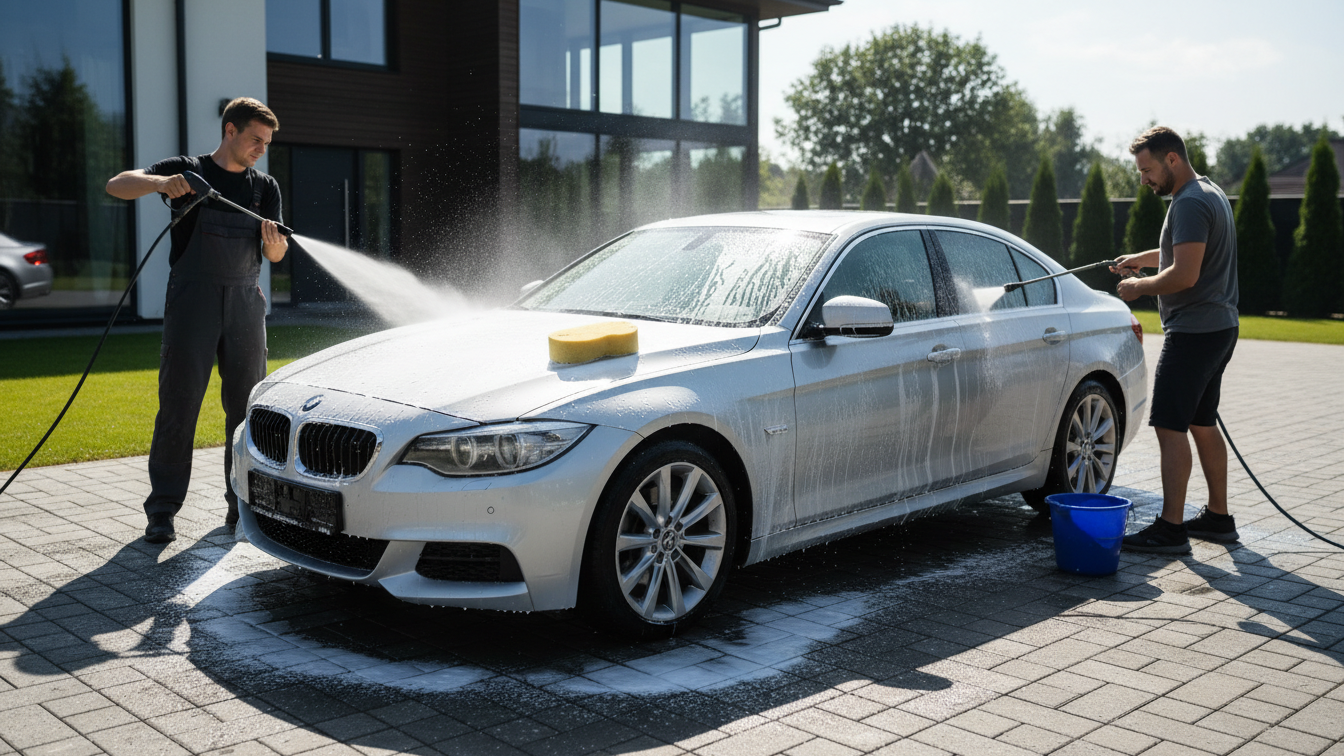
You want a clean car fast, but you also want to avoid damaging paint or using too much water. A pressure washer removes tough dirt quickly and uses less water, while a hose plus sponge gives gentler, safer cleaning when you take your time. If you need speed and strong cleaning power for heavy grime, choose a pressure washer; if you care most about paint safety and control, stick with a hose and careful hand-washing.
This post breaks down which tool fits your situation, shows safe pressure settings and accessories, and helps you pick the best method for your vehicle and budget. Expect clear tips so you can wash confidently and protect your car’s finish.
Key Takeaways
- Use a pressure washer for fast removal of heavy dirt.
- Use a hose and hand-wash for safer, gentler cleaning.
- Match method to vehicle condition, time, and cost.
Pressure Washer vs Hose: Core Differences

You’ll learn how each tool works, how much water and pressure they deliver, and what gear you need to use them safely and effectively.
Basic Functionality Comparison
A garden hose sends water at low pressure for rinsing, watering, and light dirt removal. You control flow with your hand or a nozzle; it won’t remove baked-on grime or deep stains without scrubbing.
A pressure washer forces water through a small nozzle at high pressure to break loose dirt, grease, and road film. It can clean paint, tar, and brake dust faster, but it can also damage soft paint, trim, or seals if used too close or on high settings.
For cars, use a hose for gentle rinsing and a pressure washer for wheel wells, undercarriage, or heavy stains. Match the tool to the job and adjust technique to avoid damage.
Water Pressure and Flow Rates
Garden hoses typically deliver 40–60 PSI and 8–12 gallons per minute (GPM) depending on water supply and nozzle. That low pressure is safe for paint and trim but slow on stuck-on grime.
Consumer pressure washers range from about 1,000 to 2,500 PSI and 1.2–2.5 GPM. Higher PSI removes tougher dirt with less water, while lower GPM reduces rinse time. Commercial units exceed 3,000 PSI and are rarely needed for cars.
Balance pressure and distance: at 1,200–1,900 PSI you can safely clean wheels and lower body panels from a few feet away. Always test on an inconspicuous area first and keep the nozzle moving to avoid etching paint.
Equipment Requirements
For a hose, you need the hose itself, a shut-off nozzle, a foam cannon or brush for soap, and microfiber towels. No power source is required and setup is quick and cheap.
For a pressure washer, you need the unit (electric or gas), high-pressure hose, wand, correct nozzle tips (0°, 15°, 25°, 40°), and often a foam lance. Electric models plug into an outlet; gas models need fuel and more maintenance.
Also consider accessories and safety gear: eye protection, gloves, and wheel-cleaning brushes. Check your car’s manual for pressure-sensitive areas and pick a washer and nozzle that keep PSI and spray angle within safe limits.
Effectiveness for Car Washing
You’ll learn how each tool cleans paint, trim, wheels, and undercarriage. The next parts compare raw cleaning power, paint safety, and how well each removes stuck-on grime.
Cleaning Power and Results
A pressure washer delivers high water pressure that strips dirt quickly. At 1200–1900 PSI with a wide nozzle you can blast away road film and brake dust faster than a hose. Keep the wand at least 2–3 feet from paint and use low-pressure settings to avoid chips or sealant damage.
A garden hose gives gentler flow and is safer near paint. It rinses soap and loose dirt well, but you’ll need scrubbing with a mitt or brush for a fully clean finish. Pair a hose with a foam cannon or two-bucket hand wash to improve results without high pressure.
Use a pressure washer mainly for pre-rinse and heavy soils. Use a hose for regular maintenance washes or when you want to avoid risk to trim, decals, or old paint.
Stubborn Dirt and Grime Removal
For caked-on mud or off-road build-up, a pressure washer is more effective. Concentrated spray and higher flow dislodge packed grit from wheel wells and undercarriage. Use a fan nozzle and keep moving the spray so you don’t etch rubber or plastics.
For tar, bird droppings, and tree sap, pressure alone may not solve it. Apply a solvent or tar remover, let it soak, then rinse with low-to-moderate pressure. For paint-safe detail, follow with a hand wash using grit-trapping mitts.
If you worry about scratches, start with a hose rinse, then lift grime with foam or soap before touching the surface. This two-step method lowers the risk of swirl marks while still removing stubborn contaminants.
Safety for Car Exteriors
Using a hose or a pressure washer affects your paint, trim, and seals in different ways. Know how pressure, distance, and nozzle choice change the risk to keep your finish intact.
Potential for Paint Damage
High-pressure spray can lift or chip paint if you get too close or use a narrow nozzle. Stay at least 2–3 feet away and use a wide-angle nozzle (25° or wider) to spread the force. Avoid using pressure on peeling clearcoat, thin or chipped areas, and fresh paintless repairs.
Dirt and grit can act like sandpaper when you scrub or blast them. Start with a gentle rinse using a hose or low-pressure setting to remove loose debris before touching the surface. For spot cleaning, use a soft brush and car soap rather than high pressure.
Electric pressure washers are lower pressure than gas models, but you still must check the PSI and adjust distance. For paint safety, keep PSI under about 1,200–1,900 for most cars; consult manufacturer guidance for exact limits or see car-care advice at the EPA-certified auto detailing resources and Chemical Guys tips for safe pressure-washing.
Suitability for Different Car Surfaces
Painted panels handle moderate pressure when you follow distance and nozzle rules. Clearcoat is more fragile; avoid concentrated jets. Use a hose for regular maintenance and a pressure washer for heavy mud or road grime, but only on a low setting.
Wheels, wheel wells, and undercarriage tolerate stronger spray and benefit from pressure to remove brake dust and packed dirt. Use stiffer nozzles on rims but keep pressure farther from painted lips and decals to prevent damage. For soft plastics, rubber trim, and stickers, stick to a gentle hose rinse and soapy mitt.
When cleaning convertible fabric or vinyl tops, never use a pressure washer directly. Follow fabric-care instructions and use a hose or low-pressure rinse, and test any cleaner on a hidden area first. For electrical components and sensors, keep spray indirect and avoid blasting seams, badges, and cameras—manufacturer service guides can give model-specific warnings.
Ease of Use and Convenience
You’ll need to weigh setup time, how much effort each method takes during washing, and the day-to-day upkeep. One option is faster to get running and simpler to handle; the other needs more steps but can cut wash time and effort.
Setup and Operation
Pressure washers take a few more steps before you start. You must connect the unit to power or fuel, attach a high-pressure hose and wand, choose a nozzle, and often fit a soap injector or foam cannon. You also need to check PSI and keep the wand at a safe distance from paint. Once set, the spray removes grime faster, so you spend less time scrubbing.
A garden hose needs only a tap and a nozzle or sprayer. Use a wash bucket, mitt, and grit guard to avoid swirls. You’ll do more manual work: rinsing, soaping, and scrubbing by hand. A hose gives gentler water pressure, so you can work close to trim and decals without worrying about lifting paint.
Storage and Maintenance
Pressure washers demand more storage space and care. Drain all water, coil hoses, and store the unit in a dry place. Electric models need cable care; gas models require fuel stabilizer and periodic engine checks. Regularly inspect seals, nozzles, and O-rings to prevent leaks and loss of pressure.
A garden hose and basic nozzle need less maintenance and take up less space. Rinse and drain hoses before winter to avoid cracks. Replace worn nozzles and washers occasionally. A bucket, mitt, and sponge are cheap to store and replace, and you can keep them in a small garage shelf or trunk.
Water Consumption and Environmental Impact
You will learn how much water each method uses and what that means for your water bill and the environment. The details focus on gallons per minute (GPM), typical run times, and easy ways to cut waste.
Water Usage Comparison
A typical garden hose flows about 8–24 gallons per minute (GPM), depending on nozzle and pressure. If you run a hose for 10 minutes at 10 GPM, that uses 100 gallons. Many consumer pressure washers use 1.5–4 GPM. At 2.5 GPM for 10 minutes, a pressure washer uses 25 gallons for the same job.
Use these specifics to compare:
- Hose: 10 GPM x 10 min = 100 gallons
- Pressure washer: 2.5 GPM x 10 min = 25 gallons
You can lower total water use further by using a pressure washer with a wider nozzle, working in short bursts, and pre-rinsing only dirty spots. These habits reduce how long you need the water running.
Eco-Friendly Considerations
A pressure washer reduces water volume but increases pressure, which helps remove dirt without chemicals or long scrubbing. That can cut detergent use and reduce runoff into storm drains. However, higher pressure can damage paint or seals if you get too close, causing repairs that use more resources.
If local rules limit runoff or water use, choose a pressure washer with a low GPM and use biodegradable soap sparingly. Also consider capturing rinse water with a bucket or drain-blocking pads when possible. These steps keep chemicals and sediment out of gutters and protect local waterways.
Cost Considerations
You’ll weigh upfront costs against ongoing spending when choosing between a pressure washer and a hose. Think about what you pay now and what you’ll spend over months or years.
Initial Investment
A basic garden hose and a good spray nozzle cost roughly $20–$60. Add a quality wash mitt, buckets, and a grit guard and you’re around $30–$80 more. These items let you do safe, single-car washes for a low one-time outlay.
Electric pressure washers start near $100 for light-duty models and go to $300–$600 for units suited to cars. Gas pressure washers cost more and run louder. If you want a foam cannon or specialized car-wash gun, budget another $30–$100. Check product specs and user reviews on sites like Consumer Reports to compare value and reliability before buying.
Long-Term Expenses
Using a hose can raise your water bill. A running hose can use 5–10 gallons per minute, so frequent washes add up. You’ll also replace sponges, mitts, and microfiber towels every year or two, costing about $30–$80 annually.
A pressure washer can cut water use to 2–4 gallons per minute, lowering water costs. But expect higher maintenance: pump seals, hoses, and fittings may need replacement every few years. Electric units have lower fuel or oil costs than gas models. If you pay for occasional detailing instead of owning equipment, professional washes run $10–$50 per visit depending on services. For reliable maintenance tips and parts, consult manufacturer guides or the EPA’s water-saving resources.
Suitability for Different Car Types
You’ll learn which tool works best by size, surface area, and typical soil. Pick a pressure washer for heavy mud and tall vehicles, and a hose for delicate paint or tight spaces.
Best Choice for Sedans and Hatchbacks
For sedans and hatchbacks, a garden hose with a spray nozzle often gives the safest, most controlled clean. These cars have lower ride height and less surface area, so you can rinse, shampoo, and hand-scrub without bending a lot. Use a mitt and two-bucket method after rinsing to avoid swirl marks.
If you face stubborn grime—bird droppings, tar, or thick road salt—a pressure washer set to a low PSI (under 1200) and a wide fan nozzle can help. Keep the wand 2–3 feet away from paint, avoid concentrated nozzles, and never spray directly at trim, rubber seals, or sensors.
Best Choice for SUVs and Trucks
SUVs and trucks benefit more from a pressure washer because they have larger panels, higher ground clearance, and often pick up mud or road salt. A unit rated 1200–1900 PSI with a 25–40° nozzle speeds up rinsing and removes heavy dirt from wheel wells, undercarriage, and cargo beds.
Use a hose for final rinsing and delicate areas like soft tops, matte finishes, and chrome trim. When pressure washing tall surfaces, stand at an angle and keep distance to avoid peeling paint or forcing water into seams. Combine pressure washing for grime removal and hose-plus-hand-wash for paint protection.
Alternatives and Accessories for Car Washing
You can boost cleaning power and protect paint by choosing the right add-ons. Pick tools that match your car’s finish, soil level, and how much time you want to spend.
Foam Cannons and Attachments
A foam cannon attaches to a pressure washer and sprays thick foam that clings to paint, loosening dirt before you rinse. Look for one rated to match your washer’s PSI and GPM; mismatched gear gives weak foam or can overwork the pump. Use car-specific foams with pH-balanced formulas to avoid stripping wax or sealant.
Common attachments include foam cannons, surface cleaners, and adjustable nozzles. A foam cannon plus a soft-bristle lance handles heavy road grime without scrubbing. Keep an inline filter between the washer and cannon to stop debris from clogging the nozzle.
Safety tips: avoid high-pressure narrow tips near trim, emblems, and thin paint. Test pressure on a small panel before you foam the whole car.
Manual Tools
Manual tools give you control and reduce risk of pressure damage. Key items: microfiber wash mitts, two buckets (wash and rinse), grit guards, and soft drying towels. The two-bucket method keeps dirt in the rinse bucket so your mitt doesn’t reapply grit to the paint.
Use a foam gun on a garden hose if you don’t have a pressure washer; it still adds suds and helps lubricate the surface. For wheels and tight spots, keep separate brushes and a dedicated wheel mitt to avoid cross-contamination. Finish with a microfiber drying towel or a blower to prevent water spots and streaks.
Replace mitts and towels when they show embedded grit. Clean and dry tools after use to prevent mildew and to keep them working well.
FAQs
Can a pressure washer damage my car?
Yes, if you use too high pressure or hold the nozzle too close. Keep pressure under about 1200–1900 PSI and use a wide spray pattern. Start farther away and move closer only if needed.
Is a hose safer for regular washes?
A hose is gentler and fine for routine cleaning. It uses less force and lowers the risk of chipping paint or pushing water into seals.
Do pressure washers save water?
Often yes. They can use less water because the spray is more focused and lifts dirt faster. Still, use proper nozzles and short bursts to cut water use.
Do I need special soap with a pressure washer?
Use automotive soap meant for pressure washers or a foam cannon. Regular household detergents can strip wax and harm paint.
Which is better for heavy mud or off-road dirt?
A pressure washer works better for thick mud and grime. Use a lower-pressure rinse first, then a targeted spray to remove build-up.
How do I avoid water spots after washing?
Wash in the shade and dry with a microfiber towel or a blower. Rinsing in sections and drying right away reduces spotting.
Can I use a pressure washer on trims, tires, and undercarriage?
Yes, but keep distance and lower pressure on delicate trims. Higher pressure is useful for wheels and undercarriage grime.
Final Considerations
Think about what you usually wash and how much time you want to spend. A pressure washer saves time and cuts water use for very dirty vehicles, but it can damage paint or trim if you use too much pressure or the wrong nozzle. A hose with a bucket and soft mitt gives you more control and lowers the risk of scratches.
Check the pressure and distance before you start. Use a pressure washer rated 1200–1900 PSI for cars and keep the wand at least 2–3 feet away from the surface. If you see paint lift, stop and switch to a gentler method.
Factor in accessories and technique. A foam cannon, soft bristle brush, and two-bucket method reduce contact abrasion whether you use a hose or pressure washer. Microfiber drying towels prevent water spots after rinsing.
Consider cost, storage, and frequency of use. Hoses cost less and take less space. Pressure washers cost more but handle heavy mud and frequent washes better. Rent one first if you’re unsure.
Follow safety rules and read the manual. Wear eye protection, avoid spraying seals and electronics, and never use a turbo nozzle on car paint. When you balance risk, speed, and convenience, you can pick the right tool for your needs.