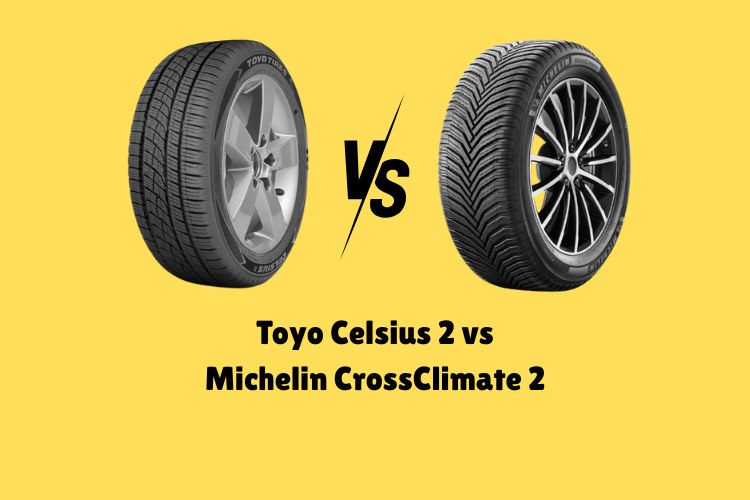
Drivers want confidence in every forecast, so the debate between the Toyo Celsius 2 and the Michelin CrossClimate 2 attracts plenty of attention. Both tires aim to deliver strong all-weather control, yet each follows a different design philosophy that shapes real-world performance.
The Celsius 2 focuses on versatility, giving daily commuters a balance of grip, comfort, and winter-ready traction without stepping into full snow-tire territory. The CrossClimate 2 pushes for top-tier precision, offering crisp handling, firm braking response, and impressive stability across dry, wet, and snowy conditions.
Road conditions shift fast in many regions, so a dependable tire can change the entire driving experience. The Celsius 2 appeals to drivers who want a smooth, predictable ride with year-round convenience.
The CrossClimate 2 attracts those who expect sharper control, longer treadlife, and premium all-season capability. Each tire excels in its own way, and the comparison reveals how they suit different driving priorities.
Toyo Celsius 2 vs Michelin CrossClimate 2
Drivers want tires that handle daily roads, sudden weather changes, and long trips without stress. All-season tires try to bring that balance. Some focus on long life. Some focus on grip.
Some aim for comfort or fuel savings. Toyo Celsius 2 and Michelin CrossClimate 2 both fall into the all-weather category, but they deliver different strengths. Below is a deep and easy breakdown of each tire.
Toyo CELSIUS 2 Tire

Product Details
-
Brand: Toyo Tires
-
Size: 225/65R17
-
Tread Type: Symmetrical
-
Maximum Pressure: 300 kPa
-
Rim Size: 17 inches
-
Section Width: 225 mm
-
Tire Diameter: 664.93 mm
-
Load Index: 111
-
Speed Rating: H
-
Fit Type: Vehicle Specific
This tire aims to give all-year traction with a design that stays stable and fuel-friendly.
Product Details
Toyo Celsius 2 sits within the all-weather class. The size supports many crossovers, compact SUVs, and mid-size vehicles. The symmetrical tread keeps the pattern balanced on the road surface.
This helps the tire wear evenly. The H speed rating supports steady highway driving without stress. The load index of 111 shows strong carrying strength, which suits family vehicles or small SUVs.
The tall 65 aspect ratio adds a thicker sidewall. That thickness helps with comfort, pothole protection, and stability during long drives.
Features
-
Year-round traction
-
Fuel-efficient design
-
Symmetrical tread pattern
-
Durable internal construction
-
Smooth and quiet ride focus
Features
The tire uses a tread layout that works across dry roads, wet pavement, and light winter conditions. The reduced rolling resistance helps lower fuel use. The symmetrical tread blocks stay even on all sides, which gives a calm ride feel.
The internal structure uses strong materials that support stability during cornering and sudden stops. The grooves help guide water away, which lowers the chance of sliding on wet roads.
What Is the Good?
-
Strong wet traction
-
Comfortable ride
-
Good fuel savings
-
Predictable handling
-
Even treadwear due to symmetrical design
What Is the Good?
This tire gives a smooth and steady feel on city streets. The tread clears water at a steady rate, which improves grip during storms. The sidewalls soften bumps, so the ride feels calm even on rough roads.
The balanced design reduces uneven wear spots. This helps extend the tire’s lifespan. The low rolling resistance helps save money at the fuel pump. Drivers who need simple and dependable traction through all seasons find solid value here.
What Is the Bad?
-
Weaker snow traction than premium all-weather tires
-
Softer handling at high speeds
-
Less grip on packed ice
What Is the Bad?
The tire aims for comfort and fuel savings, so deep winter grip falls behind tires with stronger winter compounds. Hard packed snow and ice reduce its bite.
The soft sidewalls make the ride smooth but reduce fast cornering accuracy. Drivers who face harsh winters may want a model with better winter-grade rubber.
Overall Opinion
Toyo Celsius 2 brings calm daily driving, better fuel use, and even wear. It suits areas with mild winters, mixed weather, and long highway trips. The tire gives good value and simple reliability.
Michelin Cross Climate 2
Product Details
-
Brand: Michelin
-
Size: 235/65R17 104H
-
Section Width: 235 mm
-
Load Capacity: 1984 lbs
-
Tread Depth: 10/32″
-
Tread Type: Directional
-
Maximum Pressure: 51 PSI
-
Rim Width: 7 inches
-
Tire Diameter: 29.1 inches
-
Speed Rating: H
This tire focuses on all-weather traction with strong winter performance.
Product Details
Michelin Cross Climate 2 stands as one of the strongest all-weather tires on the market. The directional tread shape pushes water away with strong force. The size fits many SUVs and crossovers. The 104 load index supports daily loads without stress.
The deep 10/32″ tread gives space for channels and biting edges. The tall sidewall helps with comfort. The tire keeps grip in cold weather because the compound stays flexible. The H speed rating supports stable highway speeds.
Features
-
Strong dry and wet braking
-
Winter-grade compound
-
Directional V-shaped tread
-
Long tread life
-
All-season certification
Features
The CrossClimate 2 uses a rubber mix that grips cold pavement like a winter tire but lasts like an all-season tire. The V-shaped grooves pull water outward fast, which improves control on rainy days.
The siping cuts across the tread blocks to bite into snow. The compound reduces stiffness during cold weather, which helps with braking and acceleration. The tire lasts longer than many all-season models because the tread stays firm over time.
What Is the Good?
-
Excellent winter traction
-
Strong dry and wet braking
-
Very stable in heavy rain
-
Smooth and quiet ride
-
Long tread life
What Is the Good?
This tire brings strong safety benefits. Braking stays short on both dry and wet pavement. Snow traction stands far above most all-season tires. The ride remains stable during storms because the directional channels push water away at high speed.
The rubber compound holds its strength after many miles, which supports long tread life. Comfort grows from the smooth block arrangement, so noise stays low even on rough roads.
What Is the Bad?
-
Higher price
-
Slightly firmer ride
-
Less flexible in extreme heat
What Is the Bad?
The premium design raises cost compared to budget models like Toyo. The tire feels firmer because of the strong internal structure.
That structure improves control but reduces softness on bumpy roads. Extreme summer heat makes the compound feel slightly sticky, which may shorten life in hot climates with constant high temperatures.
Overall Opinion
Michelin CrossClimate 2 stands as a strong choice for drivers in wet climates, snowy areas, and mixed seasons. The traction stays reliable through cold weather, heavy rain, and long road trips.
Detailed Comparison for Toyo Celsius 2 vs Michelin CrossClimate 2
Toyo Celsius 2 and Michelin CrossClimate 2 both serve as all-weather options, yet their focus differs. Toyo centers on comfort, fuel savings, and simple year-round use.
The symmetrical tread brings quiet performance and even wear, but the snow traction falls behind higher-grade models. The tire suits mild winter regions and drivers who value a soft ride.
Michelin CrossClimate 2 takes a more advanced path. The directional tread focuses on strong braking, sharp control, and safe winter grip. Snow traction, wet braking, and stability rise far above the Toyo.
The higher price reflects the advanced rubber compound and long tread life. Drivers facing heavy rain, regular snow, and colder climates may feel more secure with the Michelin.
Both tires work well, yet they serve different needs. Toyo brings comfort and value. Michelin brings safety and top-level grip.
FAQs
1. Which tire handles snow better?
Michelin CrossClimate 2 gives stronger traction and shorter braking in snow.
2. Is Toyo Celsius 2 good for winter?
It handles light winter conditions but falls behind in deep snow and ice.
3. Which tire lasts longer?
Michelin CrossClimate 2 lasts longer because of its stronger compound and tread design.
4. Which tire offers better comfort?
Toyo Celsius 2 gives a softer ride with less road harshness.
5. Which tire works better in heavy rain?
Michelin CrossClimate 2 handles heavy rain with more confidence due to its directional V-shaped design.
Conclusion
Toyo Celsius 2 fits drivers who want comfort, fuel savings, and balanced all-year performance in mild climates.
Michelin CrossClimate 2 fits drivers who want strong braking, winter traction, and long tread life. The right choice depends on your roads, weather, and driving habits.